No products in the cart.

Please, enable Wishlist.

No products in the cart.

PRP Beard restoration - Hair & Scalp

Beard Restoration - Regrow Density and Definition Naturally

From £225 per session

Patchy or uneven beard growth can stem from genetics, hormonal variation, traction, scarring, or inflammation.

At Dr Hans Clinics, we restore beard density through autologous regenerative medicine – using your own PRP or PRF to reactivate dormant follicles, improve micro-circulation, and strengthen existing growth without implants or medication.

This is a biological approach, designed to restore your natural beard pattern while preserving facial symmetry and movement.

Need Help!

DIAGNOSIS & CONSULTATION

A detailed Trichology & Diagnostics review is performed before treatment to identify the underlying cause of patchiness:

Androgen-related hypotrichosis (DHT sensitivity or hormonal imbalance)

Alopecia areata barbae (autoimmune loss in beard zones)

Post-surgical or post-acne scarring

Traction or mechanical stress from shaving habits

Nutritional / stress-related shedding

● Treatment is advised only when viable follicles are identified under trichoscopy.

AUTOLOGOUS TREATMENTS

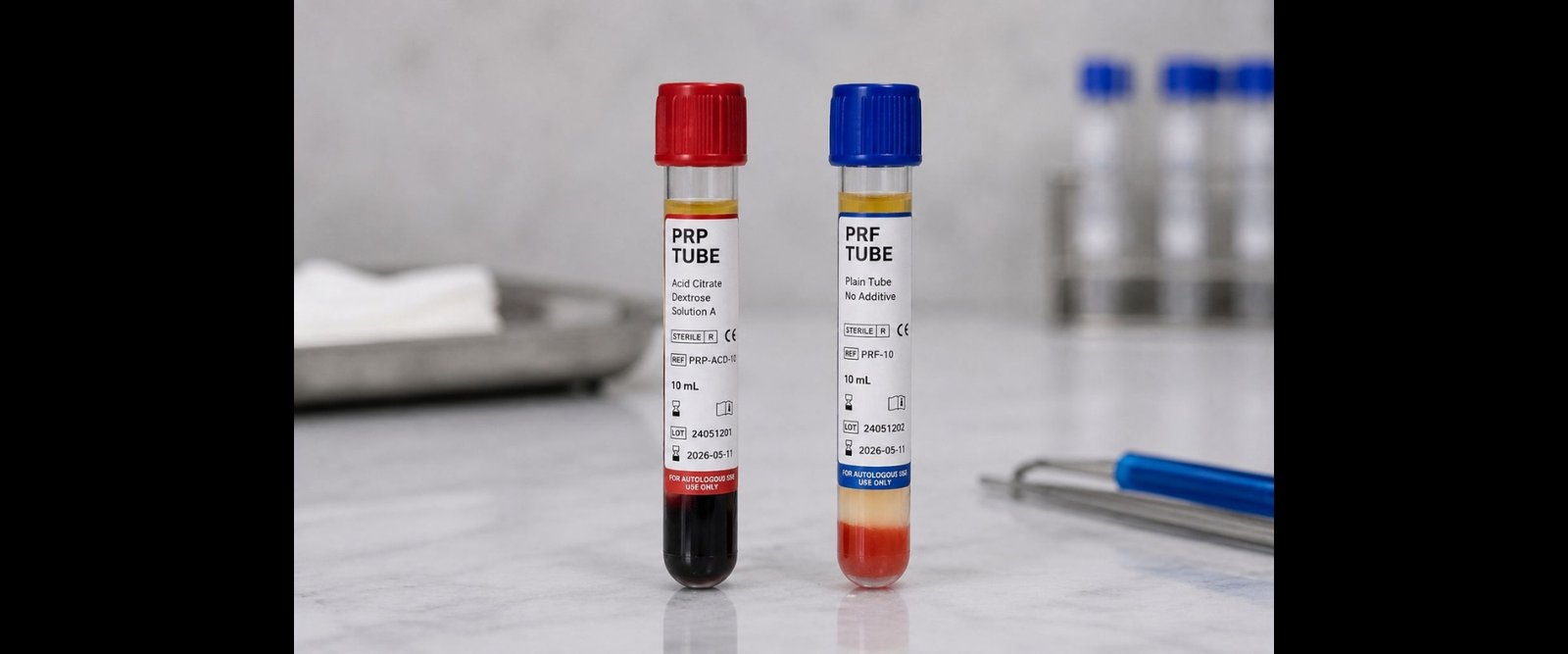
PRP (Platelet-Rich Plasma)

● Platelets release growth factors (PDGF, VEGF, IGF-1) that boost angiogenesis and dermal papilla activity, leading to stronger follicular anchorage and density improvement.

● Effective for early-stage patchiness and diffuse thinning.

PRF (Platelet-Rich Fibrin)

● PRF provides a fibrin scaffold that slowly releases platelets and cytokines over several days, ideal for inflammatory or scarring cases.

● The gradual release improves tissue remodelling and follicular reactivation.

WHY PATIENTS CHOOSE DR HANS CLINICS

● Doctor-led, aseptic autologous protocols.

● CE-marked Rein PRP and T-Lab PRF tubes for safety and reproducibility.

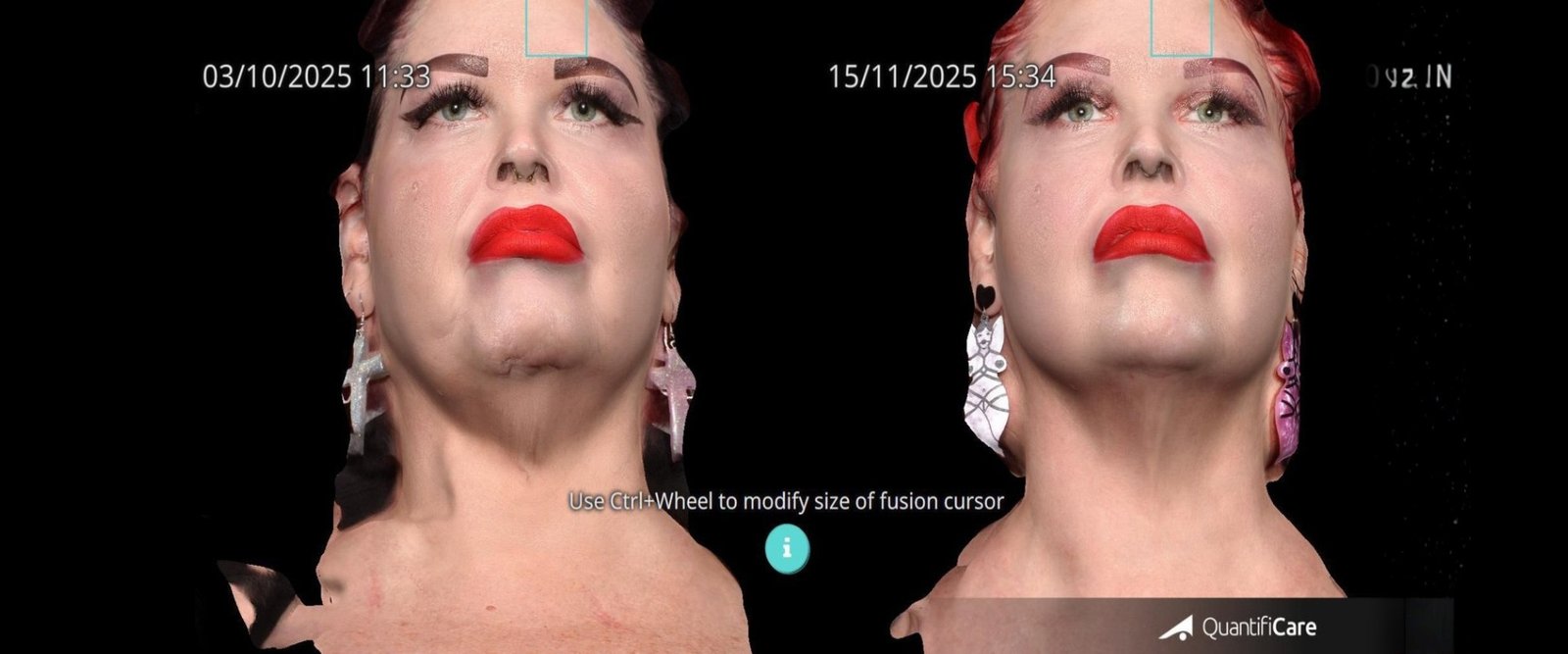
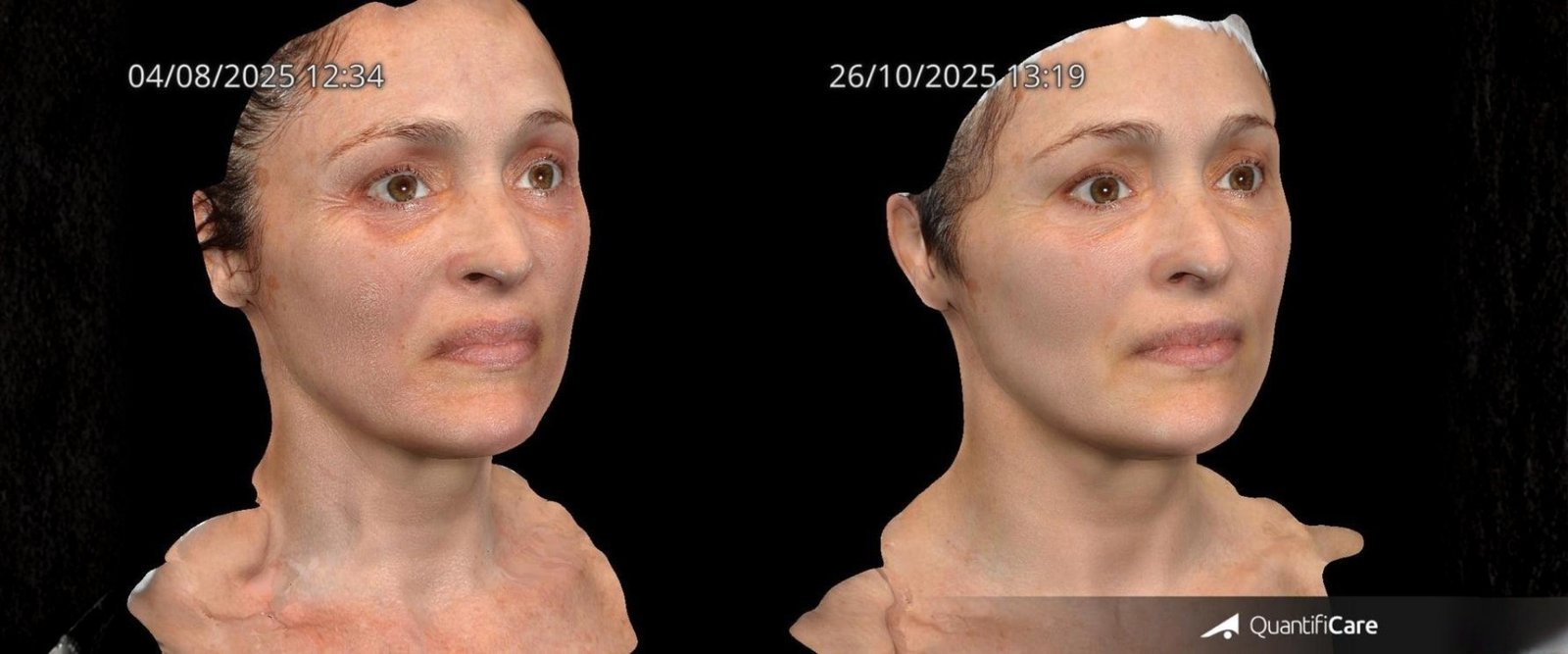
● Quantificare 3-D imaging for measurable tracking.

● Realistic, evidence-based expectations – no false claims of “instant beard growth.”

TREATMENT PLAN & TECHNIQUE

Course : 3 sessions every 4 – 6 weeks → review at 3 months.

Anaesthesia : Distraction techniques and local analgesia or anaesthetic if needed.

Duration : 30 – 40 minutes including preparation. .

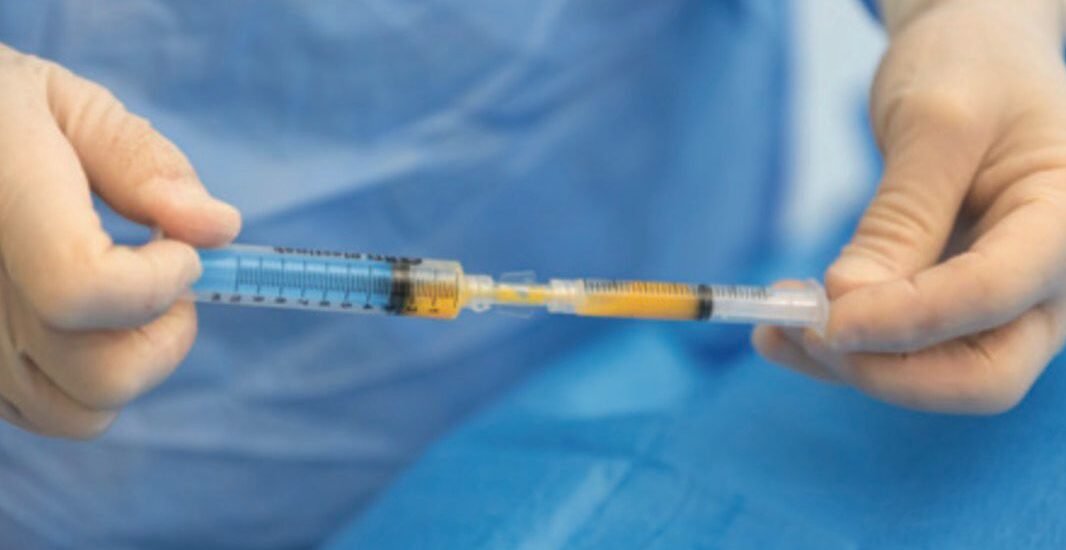
Technique : Micro-injections 1 cm apart across patchy areas + microneedling/dermatsamping

Maintenance : Annual booster if desired.

AFTERCARE

● No washing, shaving, or touching area for 24 h.

● Avoid gym, steam, or alcohol for 24 h.

● No beard oils or products for 48 h.

● Apply SPF 50 if sun-exposed.

SAFETY & EVIDENCE SUMMARY

● PRP and PRF are autologous, CE-marked, low-risk treatments.

● Common side-effects: mild swelling or tenderness (< 48 h).

● Contraindications: active infection, autoimmune flare, anaemia, or recent isotretinoin.

DISCLAIMER

● Results vary between individuals and cannot be guaranteed; outcomes depend on diagnosis, follicular viability, and biological response.

TIMELINE OF RESULTS

Phase Visible Change
2 – 4 weeks
Reduced shedding, improved skin texture
8 – 12 weeks
Noticeable thickening, new vellus → terminal conversion
3–6 months
Peak density and line definition

WHAT TO EXPECT

Condition Mechanism Key Evidence
Androgenetic Hypotrichosis
Vascular and fibroblast activation
Singh et al., J Cutan Aesthet Surg 2019 -improved beard thickness after 3 sessions PRP
Alopecia Areata Barbae
Immunomodulation via TGF-β and IL-1 balance
Trink A et al., Br J Dermatol 2013
Post-Trauma / Scar Repair
ECM remodelling and neovascularisation
Giordano S et al., PRS Glob Open 2018
Stress / Nutritional Loss
Enhanced follicular metabolism
Alves R et al., Int J Trichology 2022

PRP vs PRF – What’s the Difference?

Both PRP (Platelet-Rich Plasma) and PRF (Platelet-Rich Fibrin) are autologous (from your own blood) and aim to deliver platelets, growth factors, and regenerative cells into the skin or scalp.

PRP (Platelet-Rich Plasma)

  • Prepared with anticoagulant and higher centrifuge speeds.
  • Produces a clear plasma with concentrated platelets.
  • Growth factors are released rapidly after injection.
  • Evidence: widely studied in skin and hair; reviews show modest but reproducible improvements in texture, fine lines, and hair density in suitable patients.

PRF (Platelet-Rich Fibrin)

  • No anticoagulant; spun at lower speeds.
  • Forms a fibrin matrix that traps platelets, leukocytes, and circulating stem-cell-like cells.
  • Growth factors are released more slowly and over a longer period.
  • Evidence: early studies suggest PRF may provide a more sustained regenerative effect compared with PRP, but long-term head-to-head trials are still limited.

Which is better?

  • Current evidence suggests PRP remains the most established with the largest body of clinical research, especially for skin and hair.
  • PRF is emerging and biologically plausible for sustained release, but published human studies are fewer and results vary.
  • Choice depends on your treatment goals, tissue quality, and clinician recommendation – both are offered at the same price in our clinic.

Define your beard with your own growth factors.

Book your consultation at Dr Hans Clinics, 33 Cavendish Square, London.

error: Content is protected !!