No products in the cart.

PRP Facial London (Vampire Facial) - with or without Microneedling

Platelet-Rich Plasma for Skin Repair & Renewal – Dr Hans Clinics

- From £300 per session
Duration

45-60 minutes

Sessions

1/3

Pounds
Price

£300 - £850

Downtime

1-3 Days (Redness)

Autologous PRP uses a small sample of your own blood, concentrating platelets that release growth factors (PDGF, TGF‑β, VEGF) to signal repair, collagen formation and angiogenesis in the dermis.

At Dr Hans Clinics, we use it to support texture, fine lines, tone and under‑eye quality when clinically appropriate

Key Benefits

Combines microneedling with advanced PRP therapy
Uses your body's own natural growth factors
Improves acne scars, texture, pores, and fine lines
Enhanced results compared to microneedling alone
Suitable for all skin types and tones
Advanced PRP technology for optimal outcomes
Minimal downtime with a quick recovery
Performed by an experienced Aesthetic Doctor

What a PRP facial treats

A PRP facial may help improve overall skin quality by supporting the skin’s natural repair and renewal processes. At Dr Hans Clinics, we consider PRP for concerns such as uneven texture, early signs of ageing and acne scarring, depending on your skin condition and treatment goals.

1. Texture, pores and dull skin

If your skin looks tired, feels rough or has more visible pores, PRP may help improve its overall texture and appearance. By supporting natural collagen activity and skin repair, it can help your complexion look smoother, fresher and healthier over time.

2. Fine lines and early crepiness

PRP may be suitable for early fine lines and mild crepiness, particularly where the skin has started to lose some of its natural firmness and elasticity. The growth factors released by platelets support the skin’s repair processes, helping improve skin quality gradually rather than creating an immediate tightening effect.

3. Acne scars and uneven tone

PRP can be considered as part of a treatment plan for acne scars and uneven skin texture. When combined with microneedling, it may help support collagen remodelling and improve the appearance of shallow scarring and textural irregularities over time.

When we don't recommend it

PRP may not be the most suitable option if you’re looking for significant skin tightening, an immediate lift or correction of deeper volume loss. In these cases, other treatments such as energy-based skin tightening, dermal fillers or collagen stimulators may be more appropriate. During your consultation, we’ll assess your skin and recommend an approach that better matches your concerns and expectations.

What is a vampire facial?

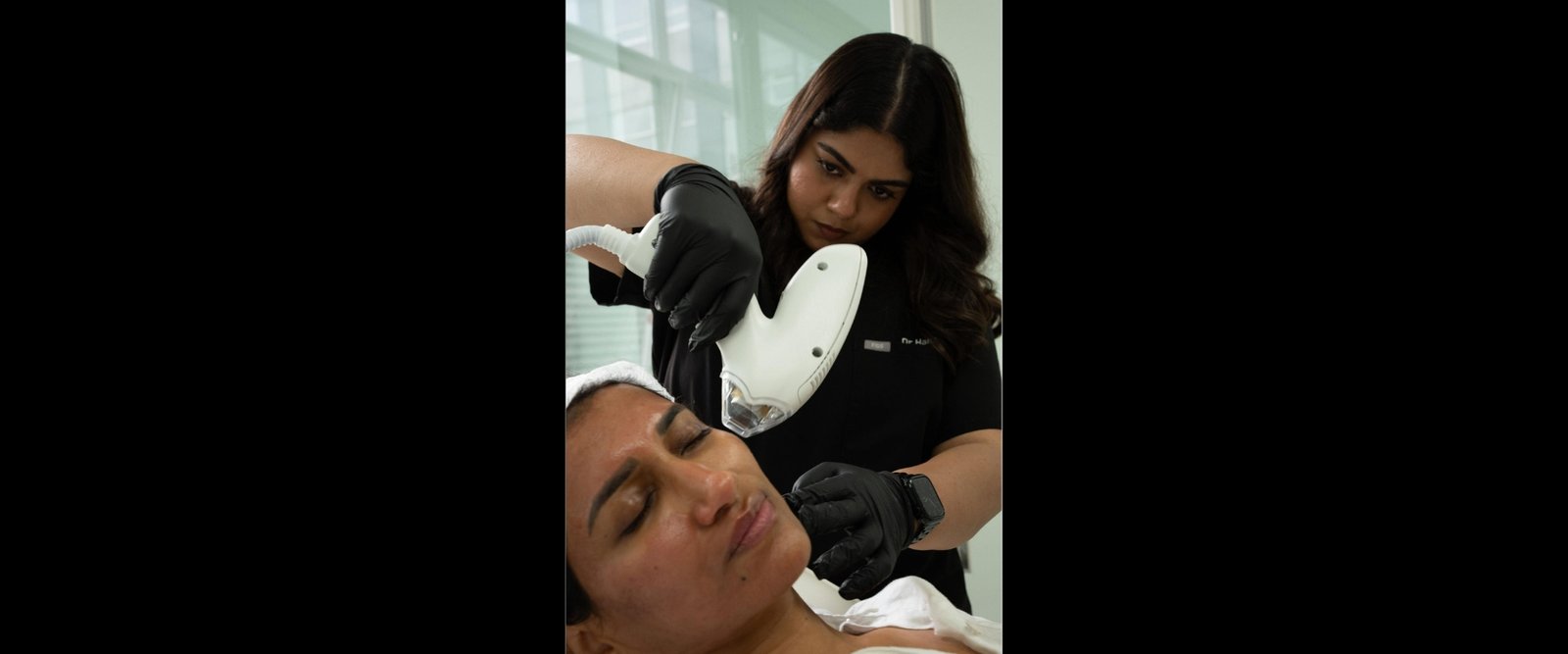
A vampire facial is the popular name for a PRP facial, where Platelet-Rich Plasma (PRP), prepared from your own blood, is applied to the face following microneedling. At Dr Hans Clinics, treatments are doctor-led, with PRP or PRF selected according to your skin condition, concerns and treatment goals. The aim is to support the skin’s natural repair processes and improve overall skin quality over time. If you’re searching for a vampire facial in London, this is the same regenerative treatment as the PRP facial described on this page. The name is marketing terminology; the biology behind it is platelet-based regeneration.

PRP alone vs PRP + microneedling - when we combine

PRP can be used on its own through targeted injections or combined with microneedling, depending on your skin concerns. Injection-only PRP may be suitable when the main goals are improving skin tone, quality and early fine lines. For concerns such as uneven texture, enlarged pores and acne scarring, microneedling with PRP may be a more suitable option.

Microneedling creates tiny, controlled channels in the skin while stimulating collagen production as part of its natural repair response. Combining both treatments can offer additional benefits for selected patients, although research on PRP microneedling shows mixed results. Injection-only treatment generally involves less surface redness, while the combination may cause redness and pinpoint marks for 24–48 hours. We recommend combining treatments only when clinically appropriate.

PRP or PRF for the face?

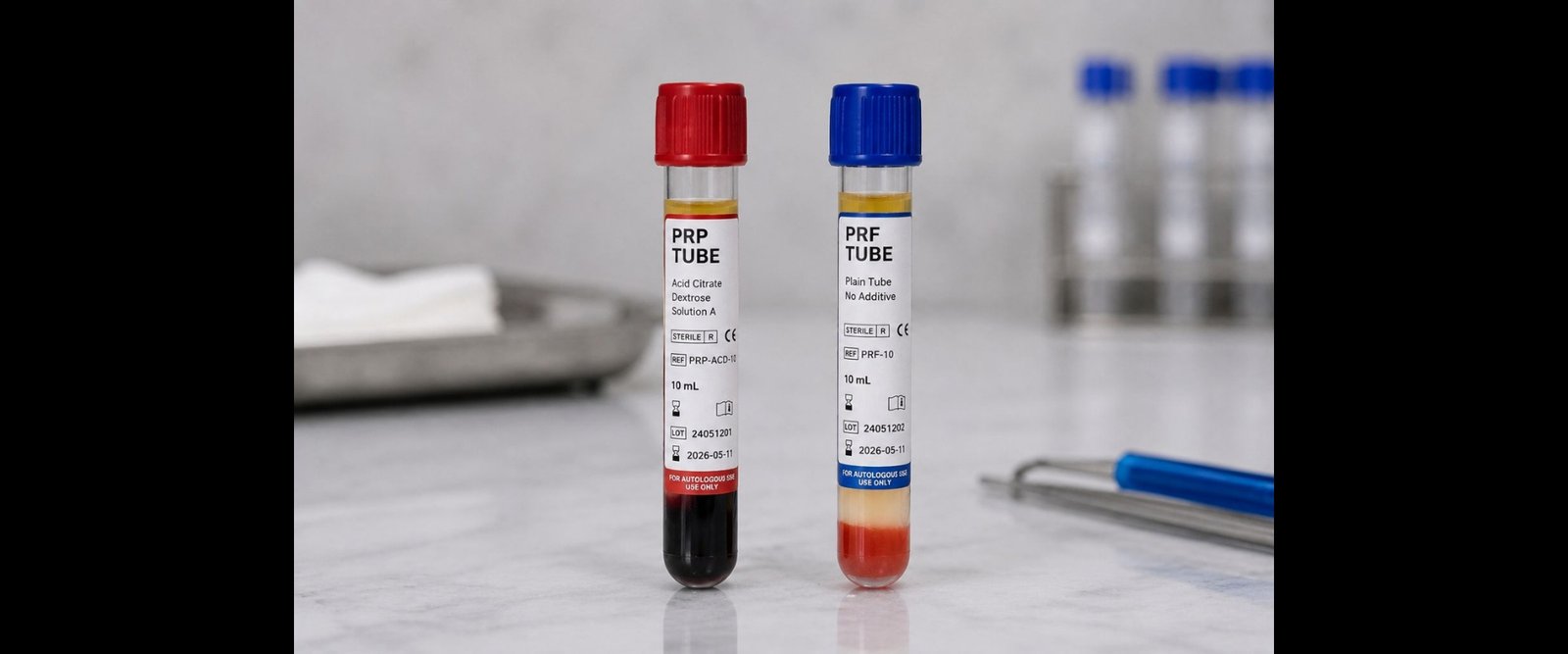
Both PRP (Platelet-Rich Plasma) and PRF (Platelet-Rich Fibrin) are regenerative treatments prepared from your own blood. They contain platelets, growth factors and other biological components that support the body’s natural tissue repair processes.

PRF may be preferred for certain facial treatments when a slower, more sustained release of growth factors through its fibrin structure is desirable. The choice depends on your skin condition, treatment goals and your clinician’s assessment. At Dr Hans Clinics, both PRP and PRF are offered at the same price.

For a closer look at how they differ, read our full PRP vs PRF comparison.

Target Areas

Face
Neck
Décolletage
Hands

How PRP works on the skin

PRP (Platelet-Rich Plasma) is prepared from a small sample of your own blood and contains concentrated platelets. These platelets release growth factors, including PDGF, TGF-β, VEGF, EGF, FGF and IGF, which signal fibroblasts (the cells responsible for producing collagen) to support the skin’s natural repair processes.

This activity helps support the production of collagen types I and III, elastin and new blood vessels (angiogenesis), all of which contribute to the skin’s structure, resilience and overall quality. PRP may also support tissue repair and hydration, although individual results vary.

What does the evidence say?

Overall: Reviews suggest modest improvement in skin quality/texture and fine lines for suitable patients; study heterogeneity is high.
Eyes/texture: Best signals are for periorbital quality and texture.
With microneedling: Some studies show benefit; a recent randomized trial found no significant improvement vs control for laxity/rhytides - so we don’t “upsell” the combo if it’s unlikely to help.
Mechanism: Benefits are biologically plausible via PDGF/TGF‑β/VEGF‑mediated remodeling.

What to expect on the day

Consultation and assessment
Medical screening and consent
Blood draw (small sample)
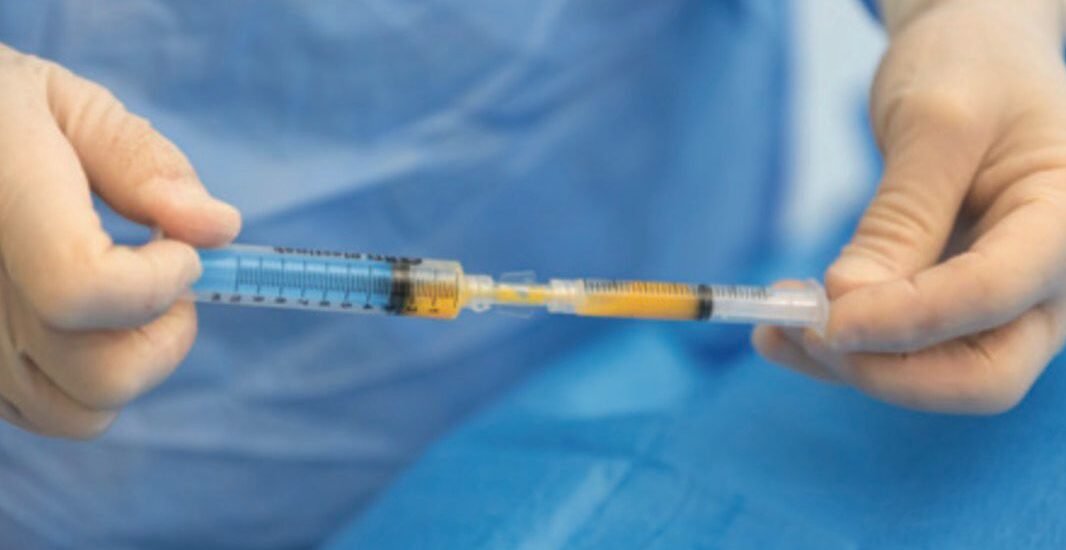
Centrifuge to concentrate platelets (PRP) or fibrin (PRF)
Topical anaesthetic
Microneedling (if part of your plan) and PRP applied / injected
Aftercare advice
Review and treatment plan

Treatment plan, results and downtime

PRP works gradually, so results develop over time as your skin responds to treatment. We usually recommend a course of 3–4 sessions, spaced 4–6 weeks apart. The exact number of sessions depends on your skin condition and how it responds to the first one or two treatments. Maintenance sessions may be considered every 6–12 months if helpful.

Sessions: Most patients are recommended 3–4 sessions, with 4–6 weeks between appointments. Your clinician will review your progress and advise whether further treatment or maintenance is appropriate.

Procedure time: Each appointment usually takes around 45–60 minutes, including the blood draw, preparation and treatment.

When will you see results?

  • First few weeks: Your skin may begin to feel more hydrated and look fresher as it responds to treatment.
  • Around 4–8 weeks: Improvements in skin texture and overall quality may become more noticeable.
  • Around 3 months: Collagen remodelling may become more apparent as the skin’s natural repair processes continue.

Downtime and recovery: Some redness, mild tightness, swelling or pinpoint marks are normal after treatment and generally settle within 24–48 hours. Most patients can return to their usual activities the same day, with makeup generally suitable from the following day if the skin has settled. We recommend avoiding strenuous exercise and saunas for 24 hours after treatment. Daily SPF protection is essential while your skin recovers.

How long do the results last?

Results vary depending on your skin condition, age, lifestyle and response to treatment. Improvements may be maintained for several months, and maintenance sessions every 6–12 months can be considered where appropriate. Your clinician will recommend a maintenance schedule based on how your skin responds rather than following a fixed timetable.

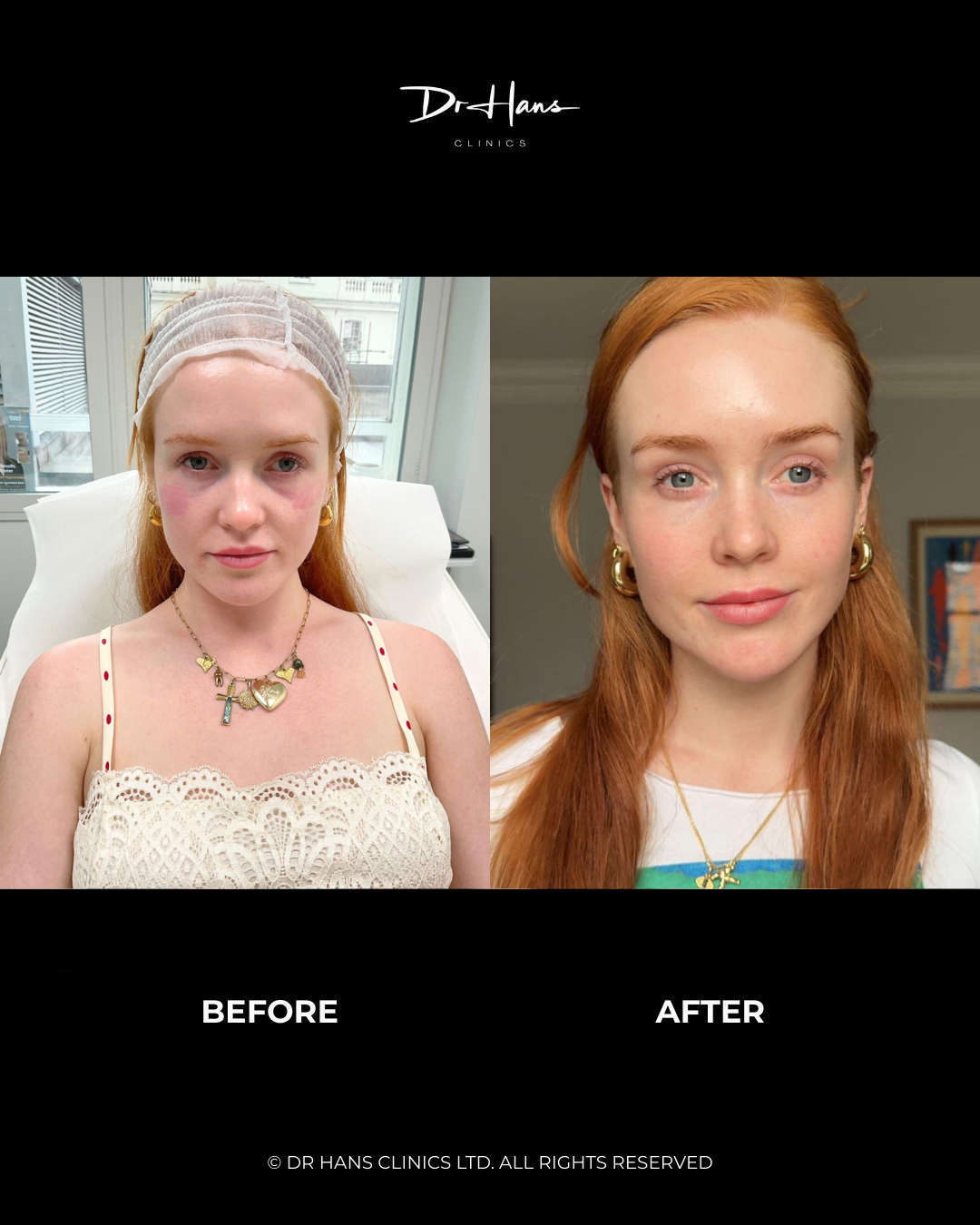
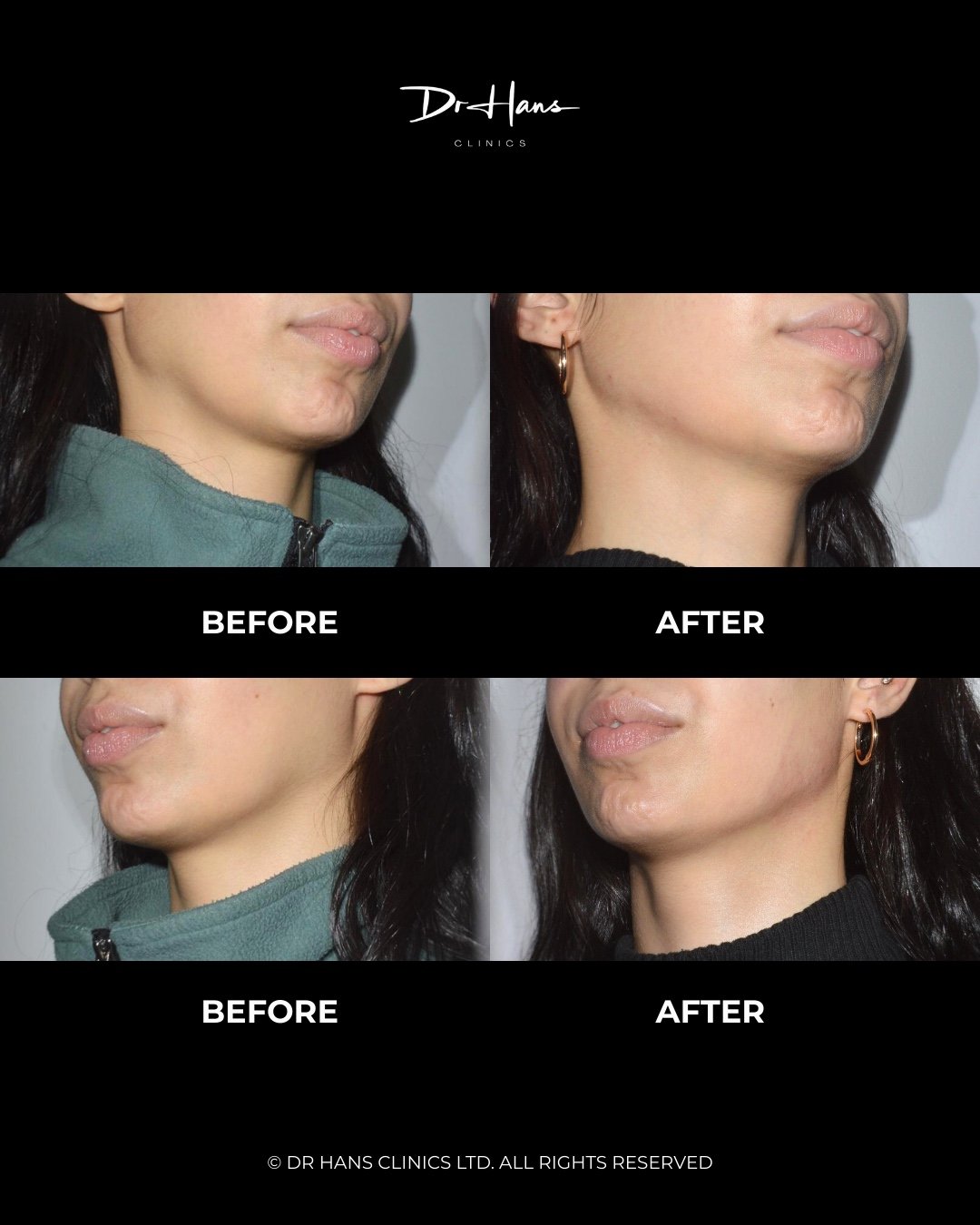
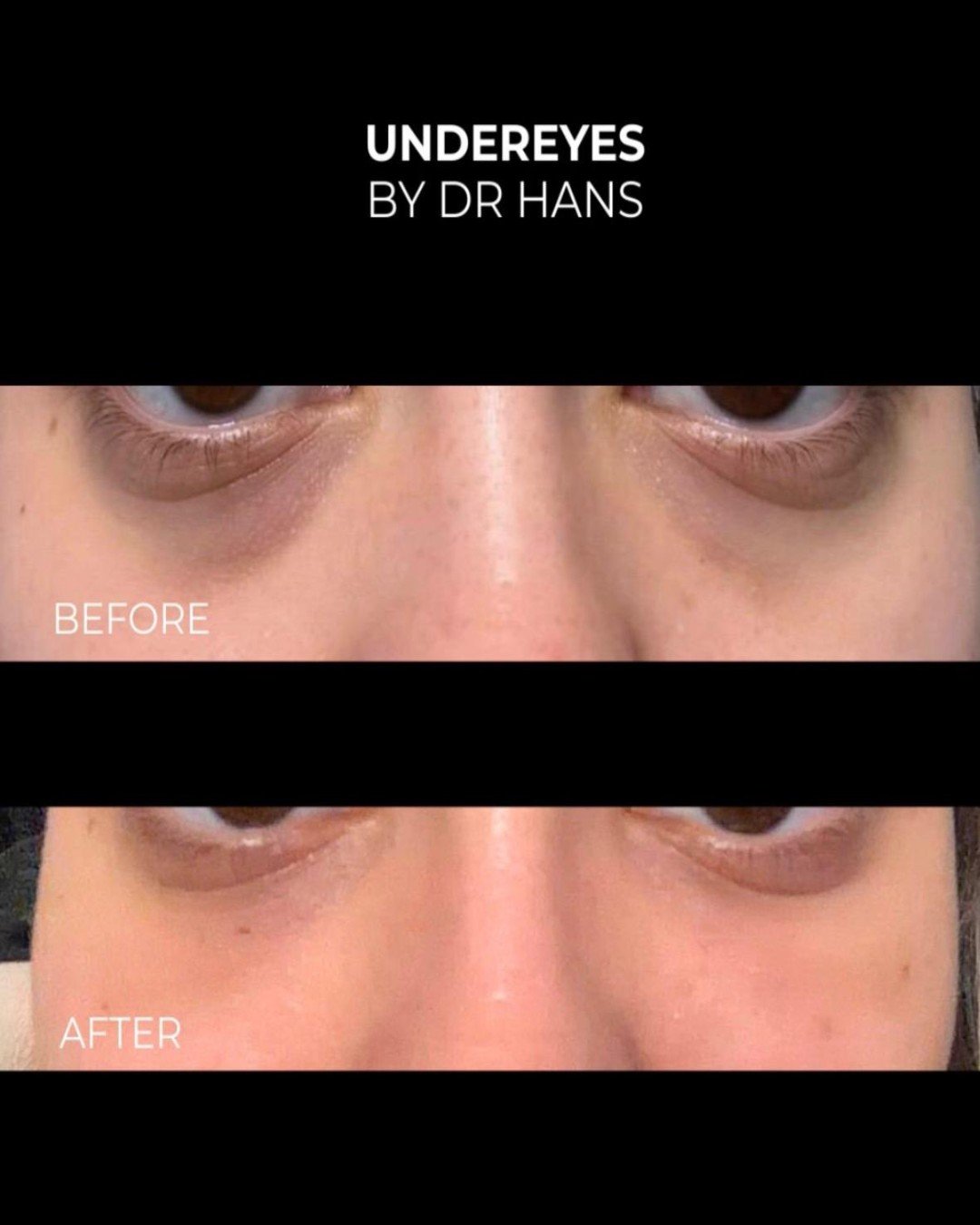
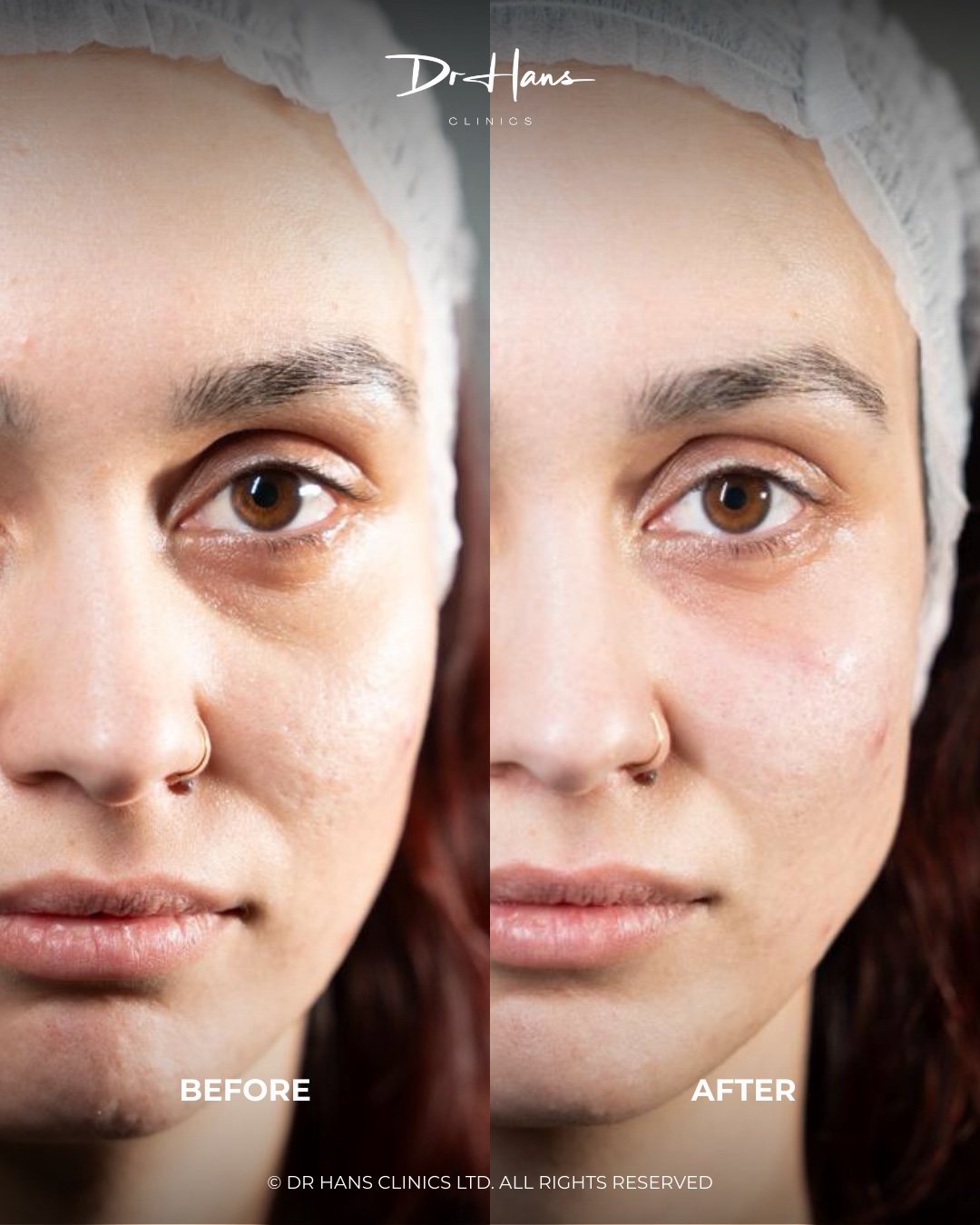
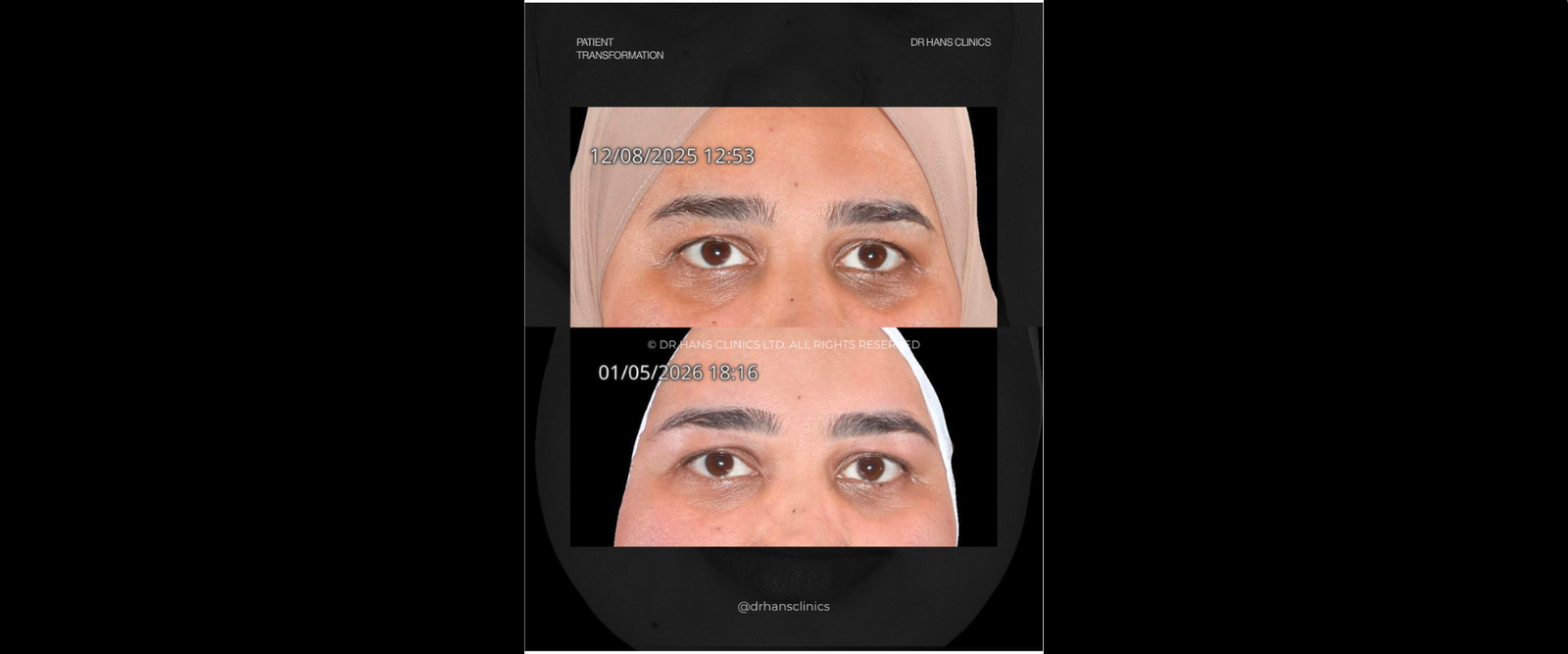
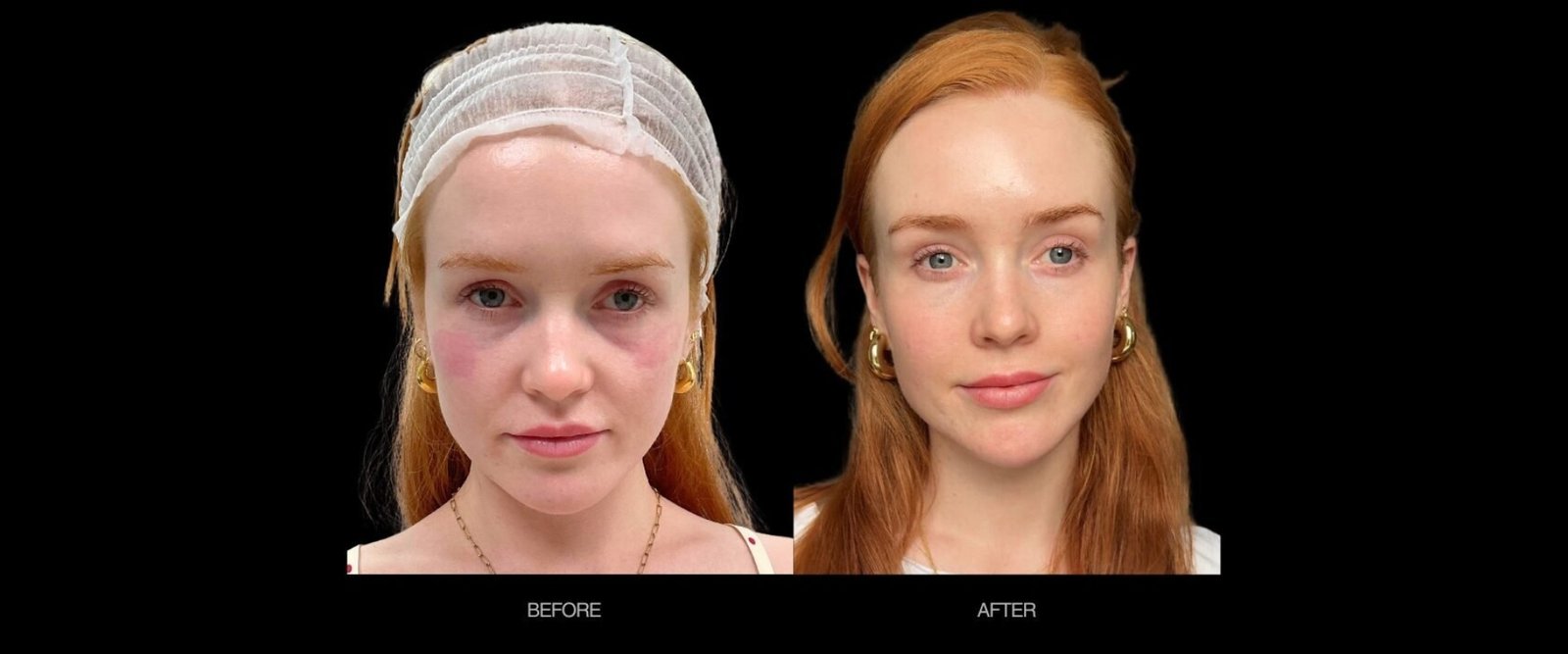
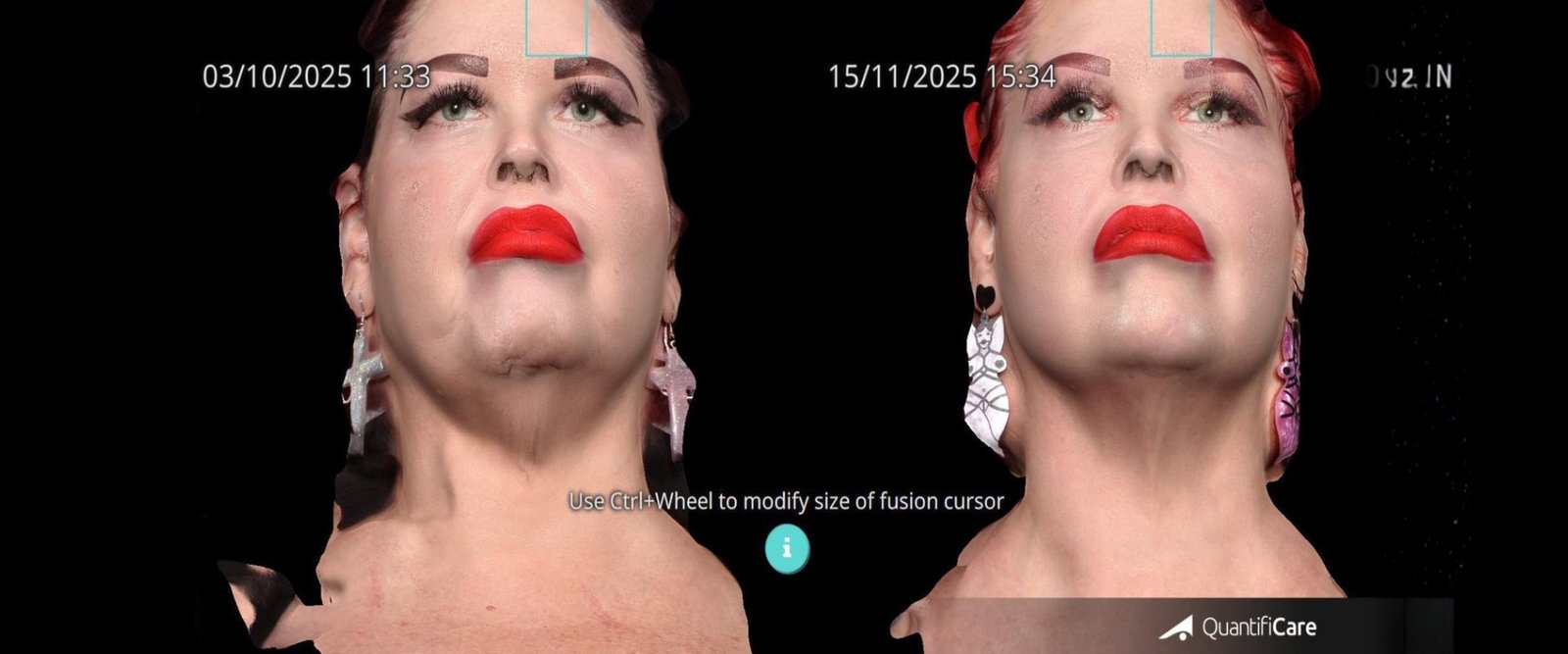
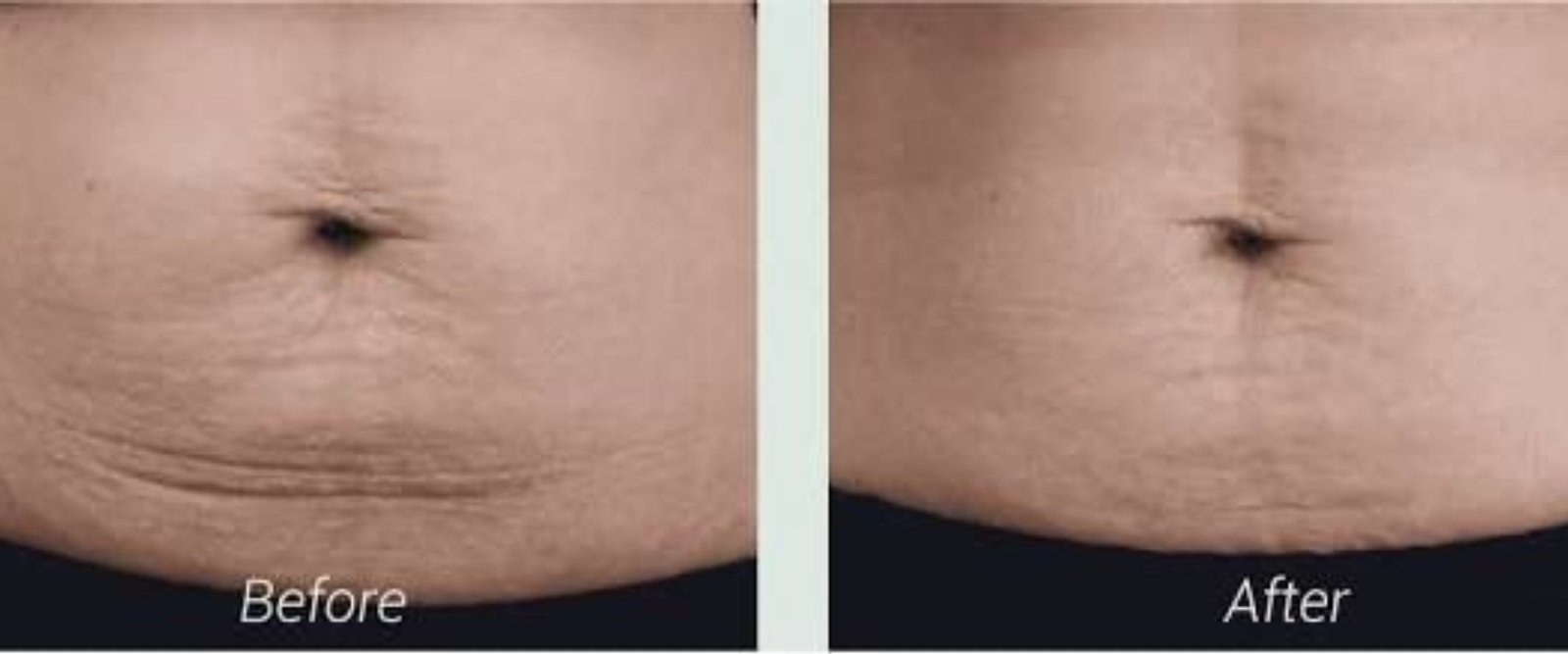
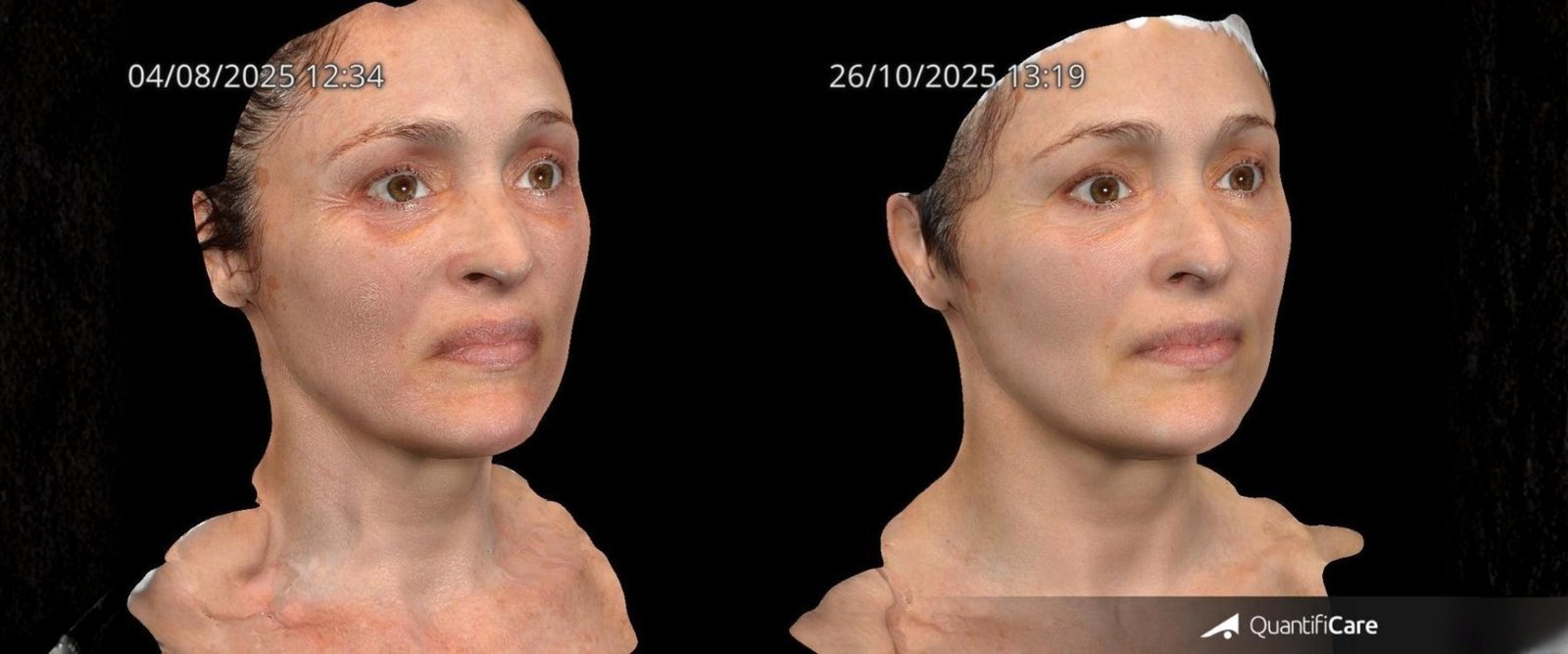
Before & after - PRP / PRF Skin (+/- Microneedling)

PRP facial cost in London

  • Single session £300

    (includes microneedling)

  • Course of 3 sessions £850

We usually recommend 3 – 4 sessions spaced 4 – 6 weeks apart for best results, followed by maintenance if helpful. Pricing is reviewed in consultation depending on the exact areas treated.

Safety, side effects & who isn’t suitable

Common: Redness, swelling, bruising, tenderness for 24 - 72h.
Rare/serious (especially with poor technique): Infection/contamination; injections in high‑risk zones can theoretically cause vascular events - this is why PRP must be done by trained clinicians under aseptic protocol.
Not suitable: Active skin infection, bleeding disorders, anticoagulation that cannot be paused, platelet dysfunction, severe anemia, pregnancy/breastfeeding, or recent isotretinoin (individual assessment). General safety overview: Johns Hopkins.

Alternatives we may discuss

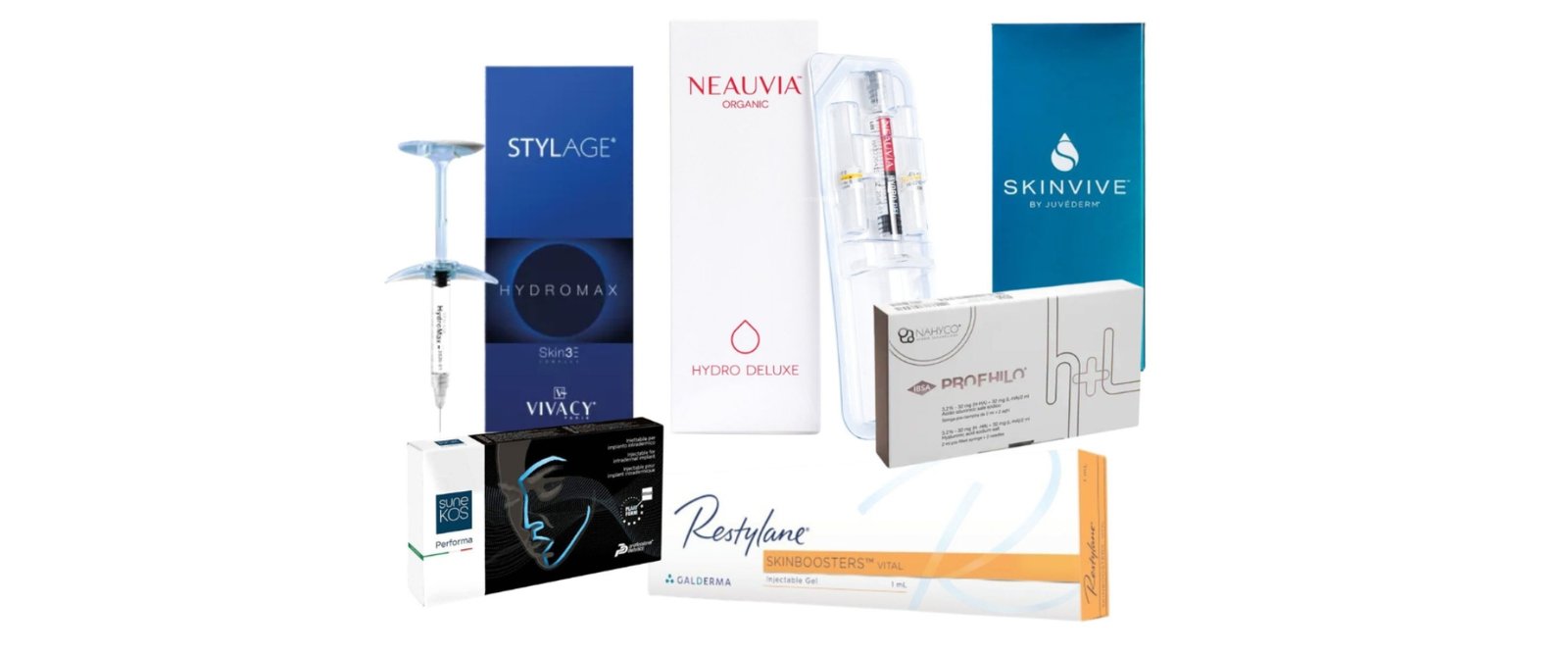
Skin boosters (e.g., hyaluronic acid) for hydration/quality
Collagen stimulators (e.g., calcium hydroxylapatite) for structure
Energy devices (Tixel, RF microneedling, CO₂) for tightening/texture
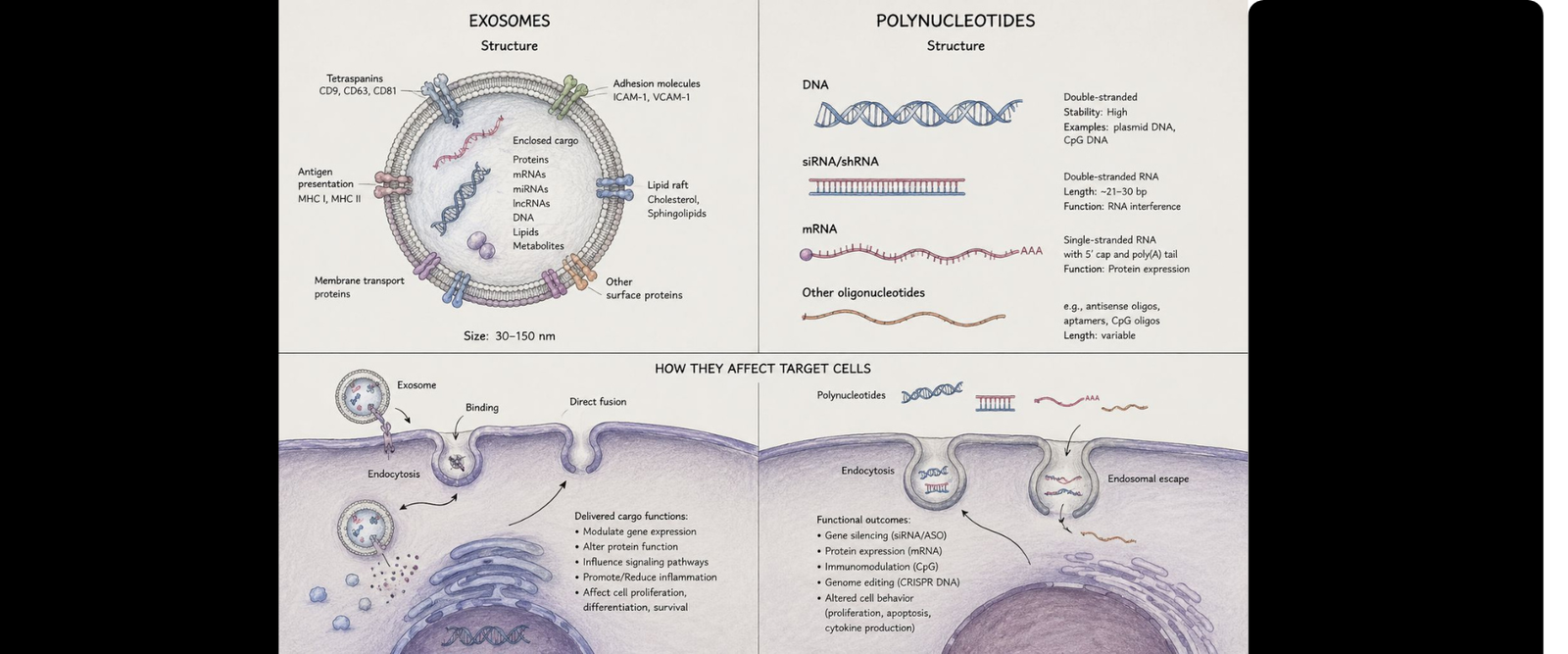
Polynucleotides in selected cases for cellular signaling (evidence evolving)

A Note on Transparency

PRF EZ Gel Biofiller is frequently marketed in ways that overstate what it does. Claims of long-lasting structural volume, permanent regeneration, or results comparable to dermal fillers aren’t supported by the current evidence. The published literature on plasma gel treatments is still relatively limited, and most studies are small and early in their design.

What we can say with reasonable confidence: PRF Biofiller improves subtle hollowing and early volume loss in suitable patients, delivers some regenerative stimulus through the PRF component, and does so without synthetic material. Results are real but modest, and maintenance is part of the treatment.

We think patients deserve to know that before they book. The consultation is where we work out whether this treatment makes sense for you, and if something else would work better, we’ll recommend that instead.


Evidence-based treatments in skin, hair, body and regenerative medicine. Safety, honesty, and precision at the heart of every procedure.

PRP vs PRF – What’s the Difference?

Both PRP (Platelet-Rich Plasma) and PRF (Platelet-Rich Fibrin) are autologous (from your own blood) and aim to deliver platelets, growth factors, and regenerative cells into the skin or scalp.

PRP (Platelet-Rich Plasma)

  • Prepared with anticoagulant and higher centrifuge speeds.
  • Produces a clear plasma with concentrated platelets.
  • Growth factors are released rapidly after injection.
  • Evidence: widely studied in skin and hair; reviews show modest but reproducible improvements in texture, fine lines, and hair density in suitable patients.

PRF (Platelet-Rich Fibrin)

  • No anticoagulant; spun at lower speeds.
  • Forms a fibrin matrix that traps platelets, leukocytes, and circulating stem-cell-like cells.
  • Growth factors are released more slowly and over a longer period.
  • Evidence: early studies suggest PRF may provide a more sustained regenerative effect compared with PRP, but long-term head-to-head trials are still limited.

Which is better?

  • Current evidence suggests PRP remains the most established with the largest body of clinical research, especially for skin and hair.
  • PRF is emerging and biologically plausible for sustained release, but published human studies are fewer and results vary.
  • Choice depends on your treatment goals, tissue quality, and clinician recommendation – both are offered at the same price in our clinic.

Your PRP facial specialist

Dr Hansel

Dr. Hansel Misquitta

Founder | Dr. Hans Clinics

MBBS | MSc Plastic & Reconstructive Surgery (UCL) | PGDip Bioethics (UNESCO Chair)

PRP facial - FAQ's

PRP (your own platelets) releases growth factors – PDGF, TGF‑β, VEGF, EGF/FGF, IGF – that signal fibroblasts to repair the dermis. This supports collagen I/III, elastin, angiogenesis and hydration. Results vary and treatment is offered only if clinically appropriate.

Is a vampire facial the same as a PRP facial?

Yes. A vampire facial is simply the popular name for a PRP facial, where Platelet-Rich Plasma prepared from your own blood is applied to the face, often following microneedling. The treatment itself is the same, although techniques and preparation methods can vary between clinics. At Dr Hans Clinics, treatment is doctor-led, with PRP or PRF selected according to your individual needs.

PRP contains concentrated platelets that release growth factors, including PDGF, TGF-β and VEGF. These help signal the skin’s natural repair processes and support fibroblast activity, collagen production and tissue renewal. Over time, this may help improve skin texture, elasticity and overall quality.

PRP stands for Platelet-Rich Plasma. It is prepared using a small sample of your own blood, which is processed in a centrifuge to separate and concentrate the platelets. These platelets contain growth factors that support the body’s natural healing and tissue repair processes.

We apply a topical anaesthetic before treatment to make the procedure more comfortable. Most patients describe the sensation as mild pricking, tingling or slight tightness during microneedling. Any discomfort generally settles within 24–48 hours.

We usually recommend 3–4 sessions, spaced approximately 4–6 weeks apart. The number of treatments depends on your skin condition, concerns and response to the initial sessions. Your clinician will review your progress and advise whether maintenance treatments every 6–12 months may be helpful.

PRP is generally well tolerated because it is prepared from your own blood, reducing the risk of an allergic reaction to the treatment material. Temporary redness, swelling, tenderness or bruising can occur after treatment. As with any injectable or microneedling procedure, there are potential risks, so an appropriate medical assessment and sterile technique are essential.

Usually, yes. Most patients can return to their usual daily activities after treatment. You may notice some redness, tightness or small pinpoint marks for around 24–48 hours. We recommend avoiding strenuous exercise and saunas for 24 hours, following your aftercare instructions and protecting your skin with SPF.

It depends on your skin concerns. Some studies suggest that combining PRP with microneedling may offer additional benefits, particularly for skin texture and acne scarring. However, research has shown mixed results, with no clear additional advantage for every concern, including wrinkles and skin laxity. Your clinician will recommend the combination only if it is appropriate for your skin.

At Dr Hans Clinics, a single PRP facial session costs £300, including microneedling. A course of three sessions is available for £850. PRP and PRF are offered at the same price. Your treatment plan and final cost will be discussed during your consultation.

We use your own blood to prepare the PRP treatment. A small blood sample is collected during your appointment and processed in a centrifuge to concentrate the platelets. The resulting platelet-rich preparation is then applied following microneedling or delivered through injections, depending on your treatment plan. We do not use a commercially bought PRP serum.

Some studies suggest an additive effect; others show no clear advantage for laxity/rhytides. We recommend the combo only if your indication supports it.

Treatment Location

Dr Hans Clinics is located at 1 Quality Court, Chancery Lane, London WC2A 1HR. The clinic is approximately 2–5 minutes from Chancery Lane Underground Station and 8–10 minutes from Holborn Underground Station. To arrange a consultation, contact the clinic and speak with the team about your treatment concerns and availability.

Related Articles

Let’s Get Glowing with Vampire Facial London

Book your PRP skin rejuvenation session today for radiant, firmer skin that lasts longer naturally.

Important Information
This information is educational and not a substitute for medical advice.
Treatment is only offered after a consultation with a qualified clinician.
We do not promote prescription-only medicines directly to the public.
error: Content is protected !!