No products in the cart.
Please, enable Wishlist.

No products in the cart.

Combined radiofrequency and dermal filler protocol for facial structural support

Neauvia N-LIFT Protocol

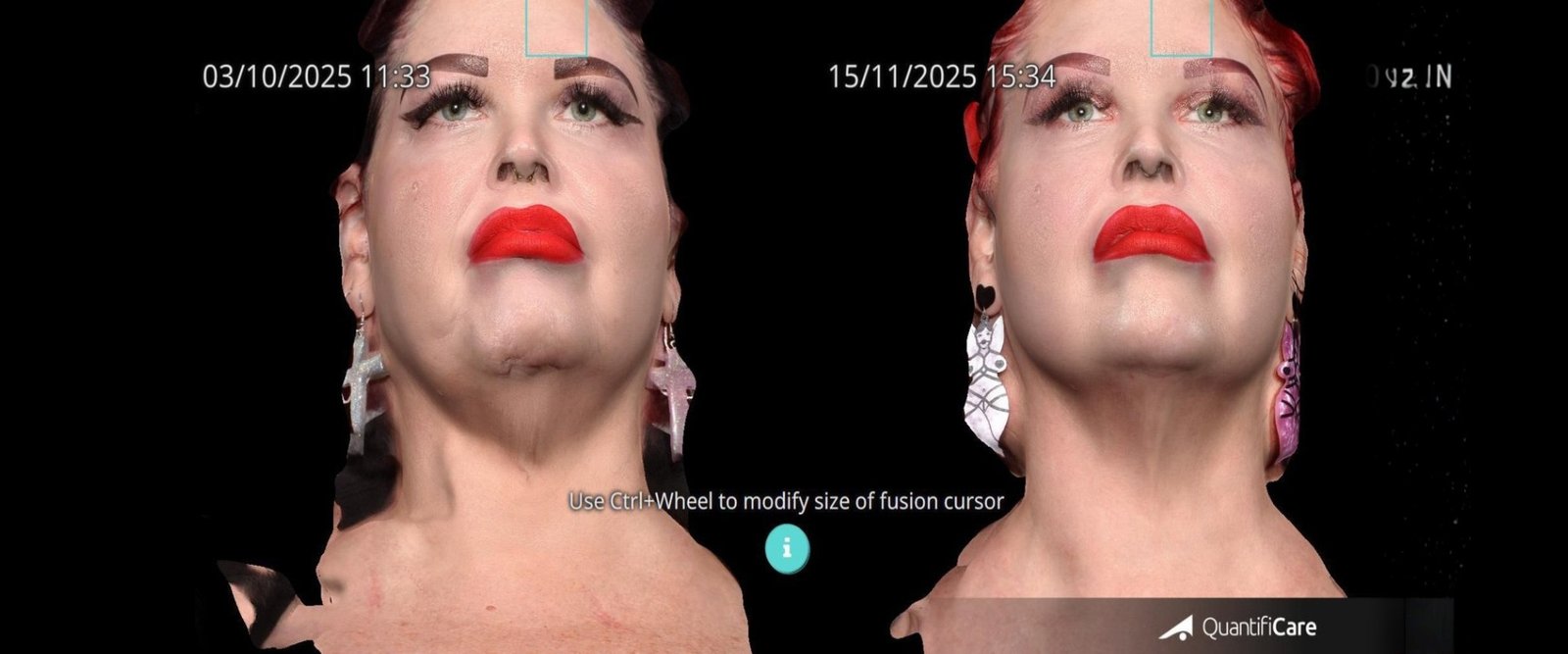
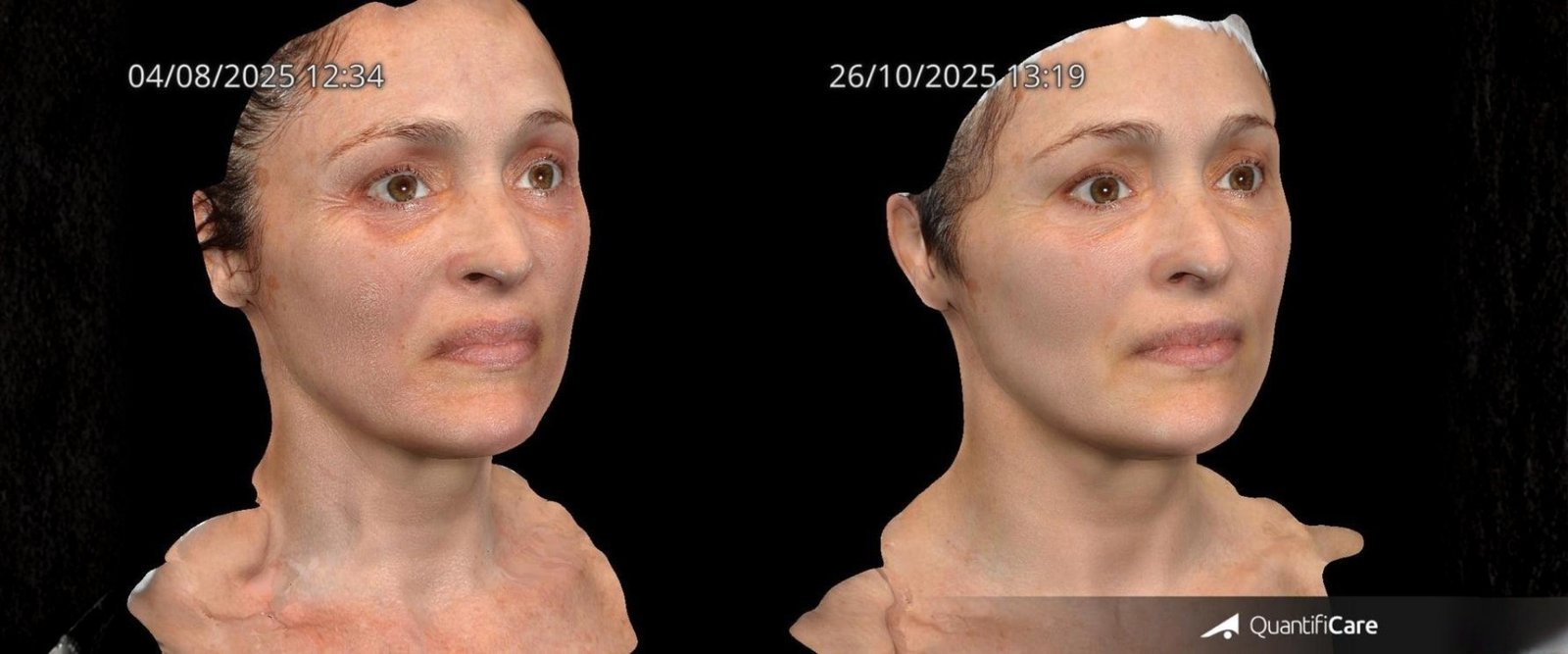
The Neauvia N-LIFT protocol is a structured treatment approach designed to address two key aspects of facial ageing: skin quality and structural support.
Rather than relying on a single treatment modality, the protocol combines:

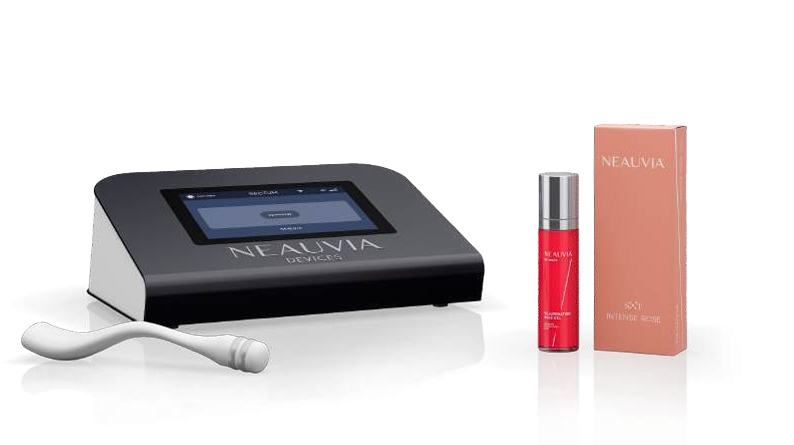
radiofrequency stimulation using Neauvia Sectum
• injectable PEG-crosslinked hyaluronic acid dermal filler
• topical cosmeceutical skin support

Each component targets a different layer of the ageing process.
Radiofrequency treatments influence the dermal environment through controlled heating, while injectable fillers provide structural support to areas where facial volume or contour may have changed over time.

Topical cosmeceuticals are used to support skin barrier function and hydration as part of the treatment plan.

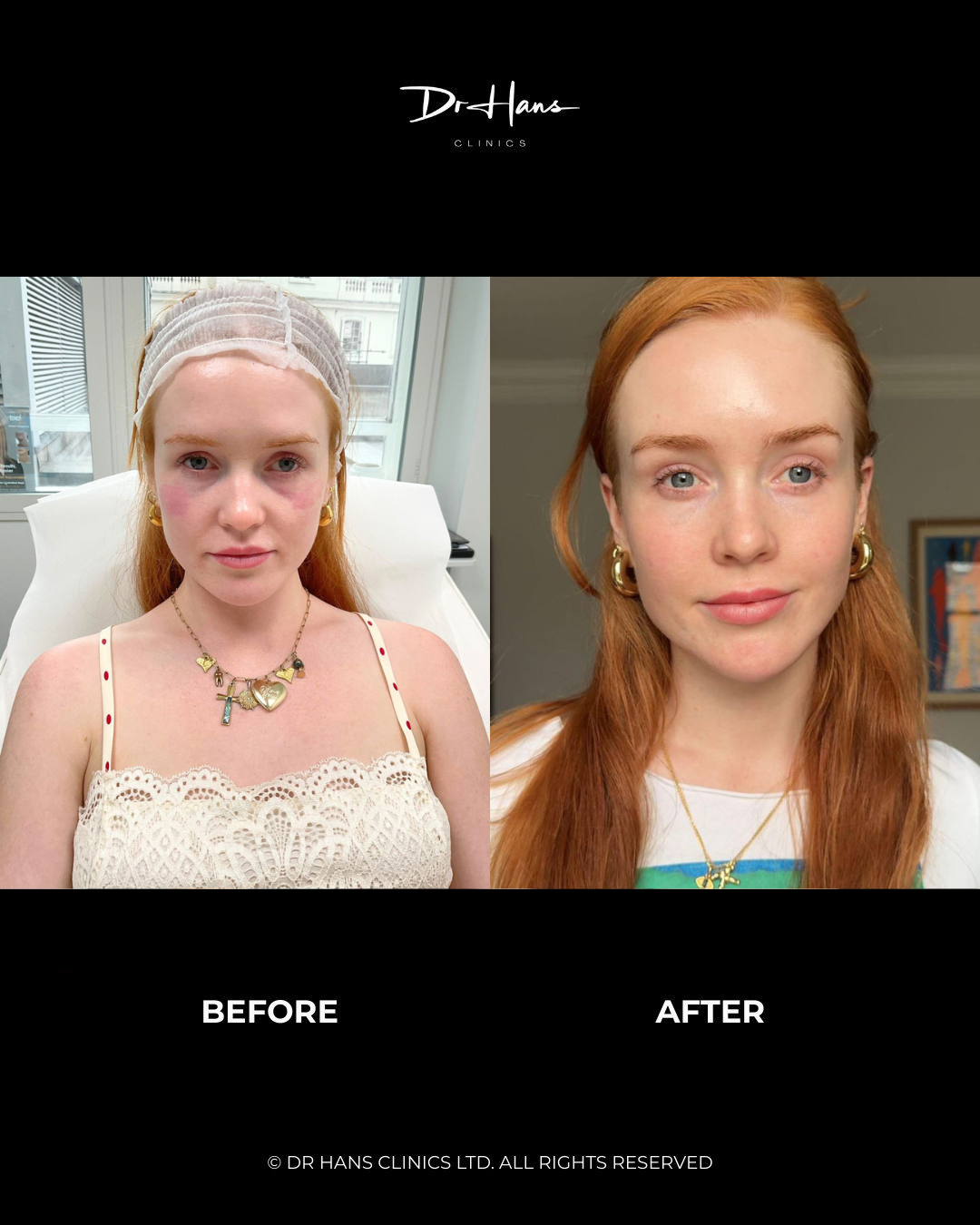
At Dr Hans Clinics the N-LIFT protocol is discussed during consultation with patients seeking improvement in facial contour, skin firmness and overall skin quality.

Understanding skin hydration and dermal ageing

Facial ageing occurs through a combination of biological changes affecting different tissue layers.
These changes include:

• gradual collagen degradation
• reduced dermal elasticity
• redistribution of facial fat compartments
• weakening of ligamentous support structures

As these processes occur, some individuals begin to notice:

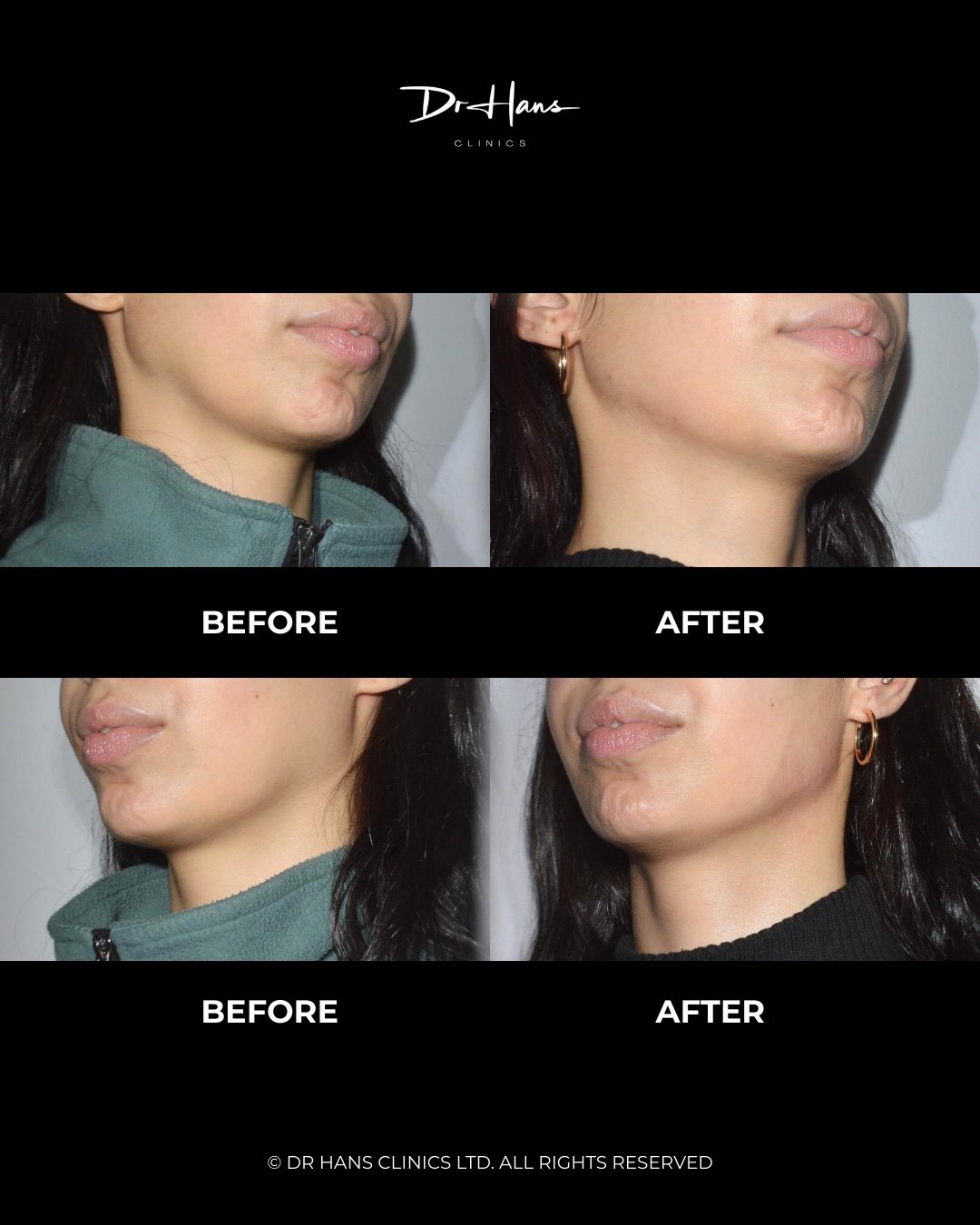
• softening of the jawline
• early jowl formation
• reduced mid-face support
• changes in facial contour

Treatments designed to address both skin quality and structural support are often used in aesthetic medicine to manage these early changes.

Components of the N-LIFT protocol

The N-LIFT protocol combines three treatment elements that target different aspects of facial ageing.

1. Radiofrequency stimulation – Neauvia Sectum

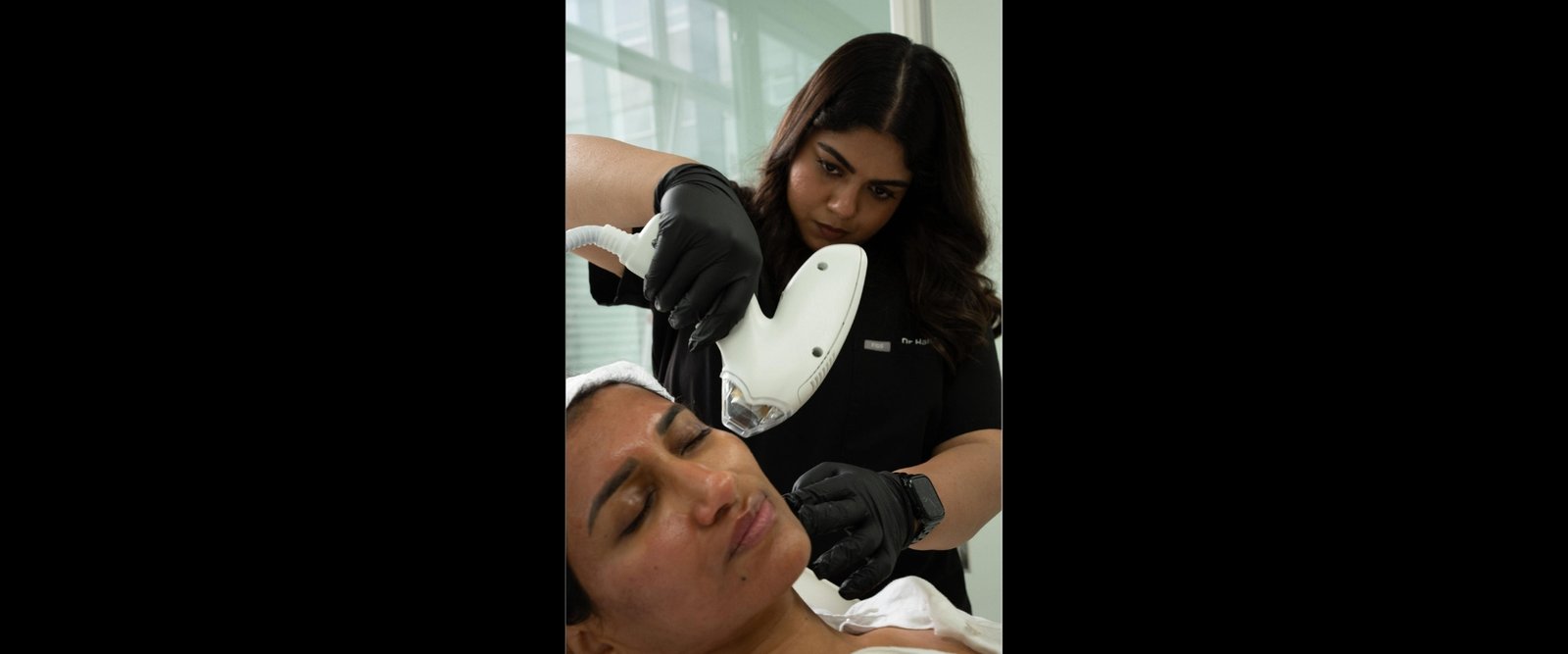
The protocol typically begins with radiofrequency treatment using the Sectum platform.

Radiofrequency energy produces controlled heating within the dermis. This thermal stimulation may influence fibroblast activity and collagen remodelling.

The Sectum system operates at approximately 480 kHz radiofrequency frequency, allowing practitioners to deliver controlled energy depending on the treatment area.

During treatment :
• a conductive gel is applied
• the applicator is moved continuously across the skin
• the dermis is gently heated within a therapeutic temperature range

Typical facial treatment temperatures range between:

37–41°C

The aim of this stage is to stimulate the dermal environment before injectable treatment.

2. Structural support – Neauvia PEG-crosslinked dermal filler

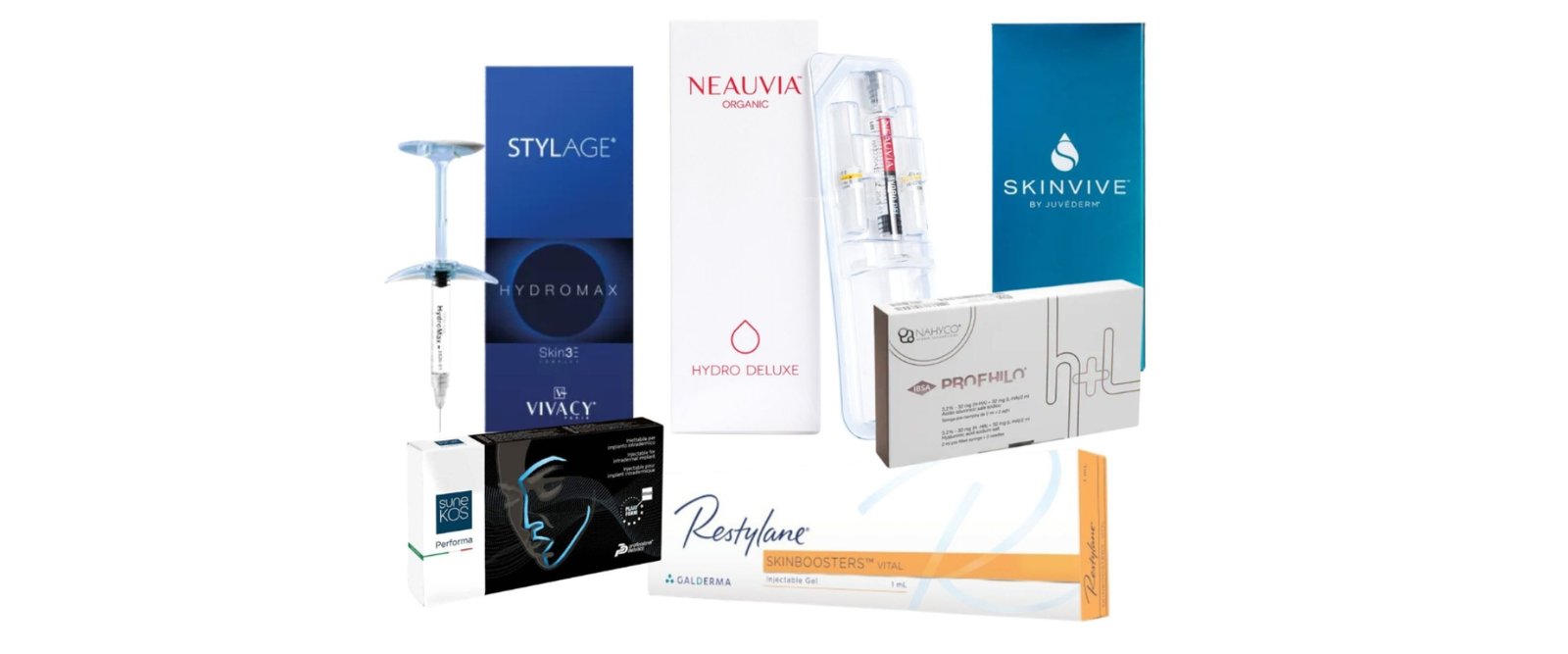
The second stage of the protocol involves the use of Neauvia PEG-crosslinked hyaluronic acid fillers.

Unlike skin boosters, dermal fillers are designed to provide structural support within deeper tissue layers.

Neauvia fillers use a polyethylene glycol (PEG) cross-linking technology, which differs from traditional BDDE cross-linking methods used in many hyaluronic acid fillers.

PEG cross-linking forms a stable three-dimensional network within the hyaluronic acid gel.

This structure contributes to:
• improved gel stability
• controlled degradation
• enhanced biocompatibility

These fillers are typically placed in deeper tissue planes depending on the treatment area.

Common treatment areas in the N-LIFT protocol include:
• midface
• jawline
• pre-auricular region
• temples
The aim is to support facial contour while maintaining natural expression.

PEG cross-linking technology

Hyaluronic acid fillers require cross-linking to maintain their structure within tissue.

Neauvia fillers use PEG cross-linking, which involves bonding hyaluronic acid molecules using polyethylene glycol chains.

This cross-linking process creates a stable hydrogel with several characteristics:
• high elasticity
• resistance to enzymatic degradation
• improved integration within tissue

PEG is widely used in medical applications because of its biocompatibility and low immunogenicity.

The resulting gel maintains structural support while gradually degrading over time.

3. Cosmeceutical skin support

The N-LIFT protocol may also include topical skin care support using Neauvia cosmeceutical formulations.

These products are designed to support skin barrier function and hydration.

Cosmeceutical formulations often contain ingredients such as:
• hyaluronic acid complexes
• peptides
• antioxidants
Topical skin care is typically recommended as part of the broader treatment plan.

Why combine RF with dermal filler?

Combination protocols are common in aesthetic medicine because different treatments influence different aspects of ageing.

In the N-LIFT protocol:
Radiofrequency influences the dermal environment.
Dermal fillers provide structural support to deeper tissue layers.

The rationale is that addressing both skin quality and structural support may produce more balanced results than either treatment alone.

Radiofrequency treatments may also support dermal stimulation between filler sessions.

Treatment sequence

The N-LIFT protocol typically follows a staged treatment sequence.

Step 1 — radiofrequency stimulation Sectum radiofrequency treatment is performed first.

This step prepares the dermal environment by stimulating connective tissue activity.

Treatment usually lasts approximately 20–30 minutes.

Step 2 — dermal filler placement

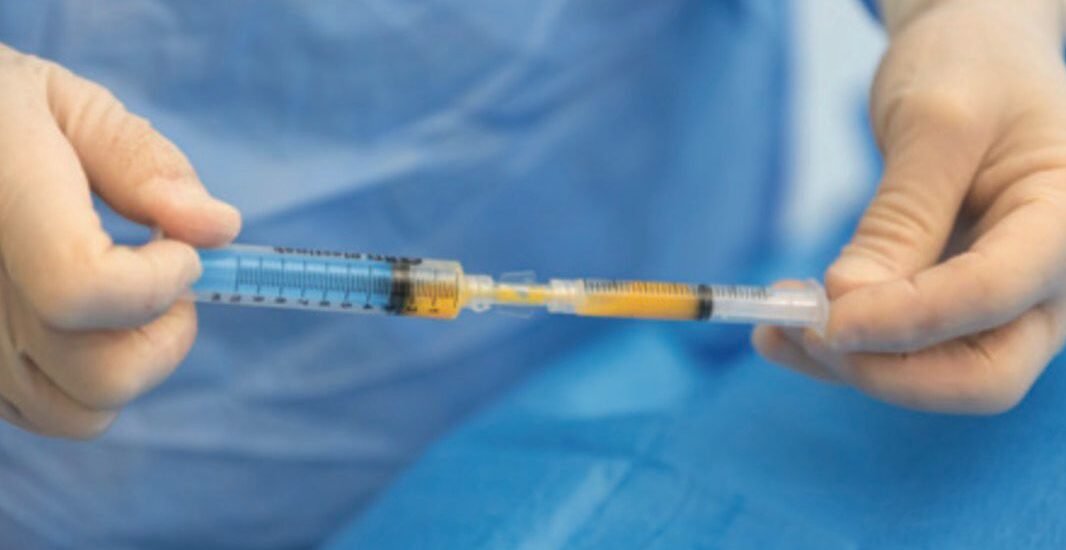
After RF stimulation, the practitioner may perform filler injections.

Injection technique varies depending on facial anatomy and treatment goals.

Common approaches include:
• deep bolus injections
• linear threading techniques
• cannula placement for contour support

The amount of filler used depends on the individual treatment plan

Step 3 — follow-up radiofrequency sessions

Following filler placement, additional RF sessions may be performed over subsequent weeks.

These treatments aim to maintain dermal stimulation and support collagen activity.

Treatment areas

The N-LIFT protocol is often used in areas where structural support influences facial contour.

Common treatment regions include:

• midface
• jawline
• pre-auricular region
• temples

Treatment planning depends on the patient’s anatomy and goals.

Who may consider the N-LIFT protocol

Patients sometimes explore this protocol when they are concerned about:

• early loss of facial contour
• mild jowl formation
• reduced midface support
• softening of the jawline
The protocol is generally intended for individuals with early to moderate structural ageing.

More advanced tissue descent may require surgical options.

Safety and consultation

All patients undergo consultation before treatment.

This includes discussion of:
• medical history
• previous aesthetic treatments
• treatment goals
• expectations and potential outcomes

Injectable fillers and energy-based treatments are not suitable for all individuals.

Recovery

Recovery following the N-LIFT protocol varies depending on the treatments performed.

After RF treatment patients may experience:

• mild redness
• warmth of the skin
After filler injections some individuals may notice:
• swelling
• bruising

• tenderness at injection sites
These effects are usually temporary.

Evidence and research

Radiofrequency technologies have been studied extensively in dermatology for their effects on collagen remodelling and dermal stimulation.

Hyaluronic acid fillers are also widely studied for their ability to restore facial volume and contour. Clinical research suggests that combining treatments targeting different tissue layers may improve overall aesthetic outcomes.

However results vary between individuals and treatment plans must be tailored accordingly.

Contraindications

Contraindication Reason
Pregnancy
Injectable and RF treatments generally avoided
Active infection
Risk of spreading infection
Allergies to hyaluronic acid products
Risk of reaction
Implanted electronic devices
RF energy may interfere with device function
Autoimmune disease flare
May affect healing response

A full consultation is required to assess suitability.

FAQ

What is the N-LIFT protocol designed to address?

The N-LIFT protocol focuses on structural support and facial contour.
It combines radiofrequency stimulation with injectable dermal fillers to address early structural changes such as:
• mild loss of facial contour
• reduced mid-face support
• softening of the jawline
The goal is to support facial structure while maintaining natural expression.

The protocol typically combines:

• Neauvia Sectum radiofrequency treatment
• Neauvia PEG-crosslinked hyaluronic acid dermal filler

Topical cosmeceutical products may also be recommended to support skin care before and after treatment.

Radiofrequency treatments gently heat the dermis and may influence collagen activity.
Dermal fillers provide structural support to deeper tissue layers.
Combining these treatments allows practitioners to address both skin quality and structural support within the same treatment plan.

The N-LIFT protocol is often used in areas where structural support influences facial contour.
These areas may include:
• mid-face
• jawline
• pre-auricular region
• temples
Treatment planning depends on individual anatomy.

After radiofrequency treatment most patients experience minimal downtime.
Following filler injections some temporary swelling, redness or bruising may occur.
These effects usually resolve within several days.

Some structural changes from dermal fillers are visible immediately after treatment. Radiofrequency-related skin changes may develop more gradually over several weeks.

Hyaluronic acid fillers gradually break down over time.
Longevity varies depending on the product used, treatment area and individual metabolism.
Maintenance treatments may be considered depending on patient goals.

Not all patients are suitable candidates for injectable treatments.
Contraindications may include pregnancy, active infections, certain autoimmune conditions or previous adverse reactions to fillers.
A consultation is required to assess suitability.

Non-surgical treatments can support skin quality and facial contour in selected cases.
However they do not replace surgical procedures for advanced skin laxity or significant tissue descent.

Pricing

Pricing for the N-LIFT protocol varies depending on:
• treatment areas
• amount of filler used
• number of radiofrequency sessions (pricing of sectum)
A consultation is recommended to determine the most appropriate treatment plan.

Book your Treatment

Book your Neauvia N-Lift Protocol

error: Content is protected !!