No products in the cart.

Please, enable Wishlist.

No products in the cart.

Neauvia Sectum® Radiofrequency Treatment

Non-surgical skin tightening and tissue support treatment in London.London.

At Dr Hans Clinics we focus on treatments that work with the skin rather than aggressively altering it. Many people who come to the clinic are not necessarily looking for dramatic procedures. They want gradual improvements in skin quality, firmness and texture without surgery.

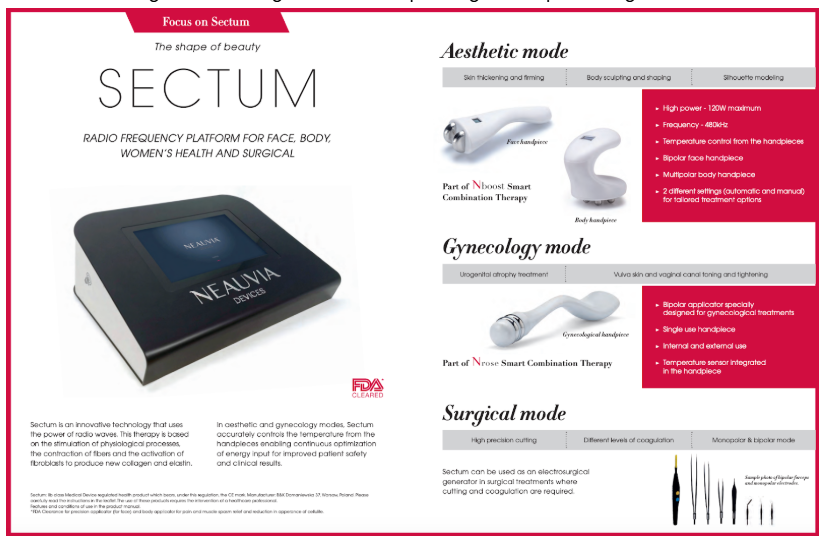
One technology we use for this purpose is Neauvia Sectum, a medical radiofrequency system designed to deliver controlled thermal energy to the skin and underlying tissues.

Radiofrequency treatments have been used in dermatology and aesthetic medicine for many years. The principle is relatively straightforward. Electrical energy passes through tissue and generates heat. This heat can influence collagen fibres and circulation in the treated area.

The goal is not dramatic lifting or instant transformation. Instead, treatments aim to support skin quality and firmness over time.

Neauvia Sectum is a multi-application system, meaning it can be used on different parts of the body depending on the handpiece and protocol used.
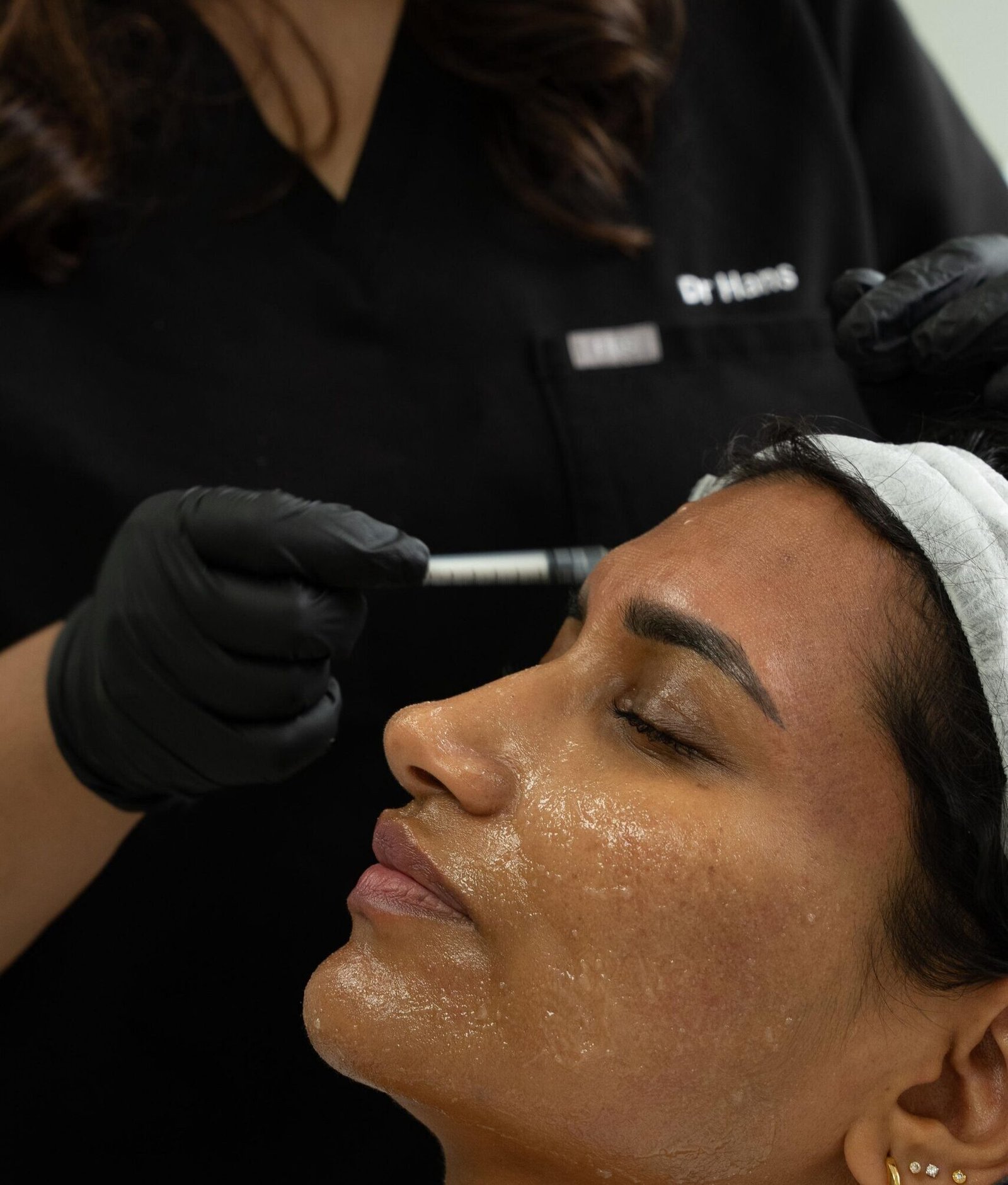
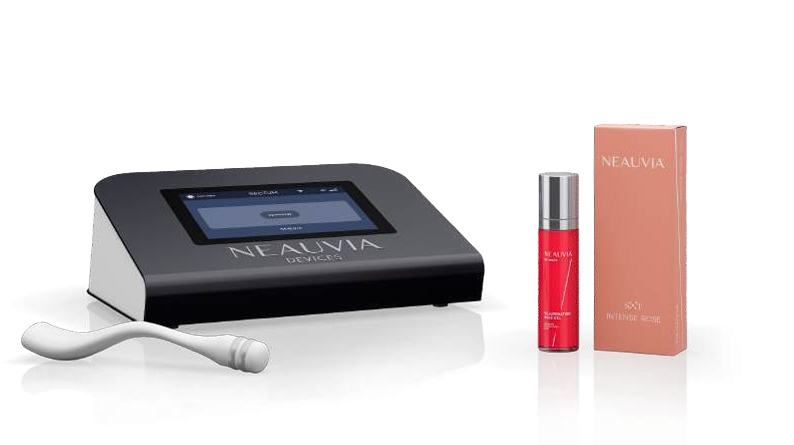
At Dr Hans Clinics we offer three main treatment applications:

Each treatment is tailored depending on the area and the concern being addressed.

What is Neauvia Sectum RF?

Neauvia Sectum is a medical radiofrequency device designed to gently heat tissue using controlled electrical energy.

When radiofrequency energy passes through tissue it encounters natural resistance within the skin. This resistance converts the electrical energy into heat.

Controlled heating of tissue can lead to several temporary biological effects including:
• contraction of existing collagen fibres
• stimulation of local circulation
• gradual remodelling of dermal collagen

Because the skin surface is not removed or ablated, recovery is usually minimal compared with more aggressive procedures.

During treatment the device monitors temperature to maintain a specific therapeutic range while ensuring patient comfort.

Bipolar vs Monopolar Radiofrequency

Patients often ask how radiofrequency devices differ from one another. One of the key distinctions is the way electrical current travels through the tissue:

● Radiofrequency devices generally use either monopolar or bipolar energy delivery.

● Monopolar RF

● In monopolar radiofrequency systems, electrical current travels from the treatment handpiece through the body to a grounding pad placed elsewhere on the patient.

This allows energy to travel deeper through the tissue and may influence deeper fat layers.

Examples of monopolar RF systems include certain surgical RF devices and some body contouring technologies.

Bipolar RF

● In bipolar radiofrequency systems, the electrical current travels between two electrodes located on the handpiece itself.

● Because the current path is shorter, energy is generally concentrated more superficially within the dermis.

● This makes bipolar RF commonly used for skin tightening procedures where dermal stimulation is the primary goal.

● Neauvia Sectum facial treatments use bipolar radiofrequency energy, which allows controlled dermal heating with minimal energy reaching deeper fat compartments.

The Dedicated Neauvia Conductive Gels

Sectum treatments are not performed dry. The device is designed to be used with Neauvia Sectum treatment gels, which improve energy delivery and patient comfort.

The gels serve two purposes:
● allow smooth movement of the handpiece
● improve penetration of radiofrequency energy into the tissue

The protocol specifically states that the gel’s electrical properties reduce current on the skin surface and allow deeper energy penetration.

Why radiofrequency treatments are used in aesthetics

Ageing affects skin in several ways.

Over time the skin becomes thinner, collagen fibres become less organised and the skin loses some of its elasticity. These changes can lead to:

● mild skin laxity
● fine lines
● reduced skin firmness
● changes in texture

Radiofrequency treatments attempt to address some of these changes by gently heating the dermis.
This controlled heat may support gradual tissue remodelling and improvement in skin quality.

It is important to understand that radiofrequency treatments are not equivalent to surgical procedures. They aim for subtle improvements rather than dramatic lifting.

Evidence and Clinical Research

Radiofrequency technologies have been studied in dermatology for several years.

Research has explored the effects of controlled dermal heating on collagen structure and fibroblast activity.

Examples include:
Alster TS, Tanzi EL.
“Improvement of neck and cheek laxity with a nonablative radiofrequency device.”
Dermatologic Surgery.
Fitzpatrick R et al.
“Multicenter study of noninvasive radiofrequency for facial tissue tightening.”
Lasers in Surgery and Medicine.
Elsaie ML.
“Cutaneous remodeling and photorejuvenation using radiofrequency devices.”
Journal of Cosmetic Dermatology.
These studies suggest radiofrequency energy can influence collagen remodelling and improve skin laxity in selected patients.
However, outcomes vary and further research continues to refine treatment protocols.
Neauvia Sectum RF Treatments at Dr Hans Clinics
Neauvia Sectum can be used in several areas depending on the treatment goal.

Face RF Skin Tightening

Radiofrequency treatments on the face are typically used for:

• mild skin laxity
• early jowling
• fine lines and wrinkles
• skin texture improvement

A small applicator is moved continuously over the skin while maintaining a controlled temperature range.

Face Treatment Gel Components
The Sectum Face gel includes ingredients such as:
• Hyaluronic acid
• Glycogen
• Physalis Angulata extract

These ingredients are included to support hydration and skin conditioning during treatment.
Read More

Body RF Skin Tightening

On the body the treatment is commonly used to improve skin firmness in areas such as:

• abdomen
• thighs
• arms
• buttocks

Radiofrequency treatments may also improve the appearance of cellulite in some patients.

Body Treatment Gel Components
The Sectum Body gel contains ingredients aimed at supporting body contour treatments, including:
• caffeine
• glaucine
• soybean ferment extract

These are used alongside the radiofrequency energy during body treatments.
Read More

Intimate RF Treatment

Neauvia Sectum also has a specialised applicator designed for intimate treatments.

This treatment gently warms the tissue and may support tissue tone and circulation.

Patients sometimes seek consultation for concerns such as:

• changes following childbirth
• reduced tissue elasticity
• symptoms associated with tissue thinning
Read More

What happens during treatment?

Every patient begins with a consultation.

This allows us to understand:
• the concern that brought the patient to the clinic
• their medical history
• what level of change they are hoping to achieve

Radiofrequency treatments are not suitable for everyone, and expectations must be realistic.

If treatment is appropriate the procedure usually follows several steps.

First, the treatment area is cleaned and a conductive gel is applied. The gel allows the radiofrequency energy to be delivered evenly across the skin.

The applicator is then moved slowly over the treatment area while the device maintains the target temperature.

Patients usually describe the sensation as a gradual warming feeling rather than pain.

A typical treatment session lasts between 20 and 30 minutes, depending on the area treated.

How many treatments are needed?

Radiofrequency treatments are usually performed as a course.

Typical treatment plans include:

Face treatments – 4 to 6 sessions

Body treatments – 6 to 8 sessions

Intimate treatments – 3 to 4 sessions

Sessions are usually spaced around one week apart, although treatment plans may vary depending on the individual.

Gradual improvements may develop over several weeks as the tissue responds.

Recovery and downtime

One reason radiofrequency treatments remain popular is the relatively minimal downtime.

After treatment some patients may notice:

• temporary redness
• warmth in the skin
• mild swelling
These effects usually settle within several hours.

Most patients return to normal daily activities immediately.

Evidence & Expectations

Radiofrequency technologies have been studied in dermatology and aesthetic medicine for many years.

Controlled heating of dermal tissue has been shown to influence collagen fibres and stimulate gradual tissue remodelling.

However results vary significantly between individuals.

Factors that influence outcomes include:
• age
• skin quality
• genetics
• lifestyle factors
• hormonal changes

At Dr Hans Clinics we believe in realistic and transparent discussions about treatments.

Radiofrequency procedures can improve skin quality and firmness but they do not replace surgical lifting procedures and results should not be exaggerated.

Patients seeking dramatic lifting may require alternative treatments.

Who is not suitable for treatment?

Radiofrequency treatments are not appropriate for everyone.
A consultation is required to assess suitability.
Common contraindications include:

Contraindication Reason
Pregnancy
Safety has not been established
Pacemakers or implanted electronic devices
RF energy may interfere with device function
Metal implants in treatment area
Potential heating risk
Active skin infection
Risk of spreading infection
Severe inflammatory skin disease
May worsen inflammation
Open wounds
Risk of tissue damage

Patients with autoimmune disorders, connective tissue diseases or recent surgical procedures may also require individual assessment.

Temporary side effects

Most patients tolerate radiofrequency treatments well.
Possible temporary effects include:
• redness
• mild swelling
• warmth in the treated area

These effects typically settle within a few hours.
Serious complications are uncommon when treatments are performed by trained medical practitioners.

How does this compare with Forma?

Patients who research radiofrequency treatments often come across Forma treatments, which also use bipolar radiofrequency.
There are similarities between the two technologies:

Feature Neauvia Sectum Forma
Energy type
Bipolar RF
Bipolar RF
Target
Dermal heating
Dermal heating
Temperature monitoring
Yes
Yes
Surface damage
No
No
Downtime
Minimal
Minimal

Both treatments aim to improve skin firmness through controlled heating of the dermis.
The most important factor influencing results is treatment protocol and practitioner experience, rather than the brand name of the device.

FAQ

Will radiofrequency cause facial fat loss?

This is one of the most common concerns patients raise when researching radiofrequency treatments.
The short answer is not when the treatment is performed correctly.
Fat reduction occurs at higher temperatures and deeper tissue levels than those typically used in facial skin tightening treatments.
Neauvia Sectum facial treatments are generally performed at temperatures around:
37–41°C
These temperatures are selected to stimulate the dermis rather than damage fat tissue.
Adipocyte injury typically requires significantly higher temperatures and longer exposure times than those used in facial protocols.
For this reason, when treatments are performed within recommended parameters, fat loss is not an expected outcome.

One advantage of radiofrequency technologies compared with many laser treatments is that the energy is not dependent on melanin absorption.
This makes RF procedures generally safer for a wide range of skin types, including darker skin tones.
However, caution is still required in certain conditions, particularly where inflammation or pigmentation disorders are present.

Melasma is a complex pigmentation disorder that can be triggered by several factors including heat and inflammation.
While radiofrequency does not directly target melanin, excessive heat can theoretically worsen melasma in some patients.
For this reason:
• lower energy settings may be used
• treatment areas are carefully selected
• combination treatment plans are sometimes preferred
Patients with active or unstable melasma require careful assessment before any energy-based treatment.

Most patients describe the treatment as warm rather than painful.

Energy levels are adjusted throughout the procedure to maintain comfort.

Some patients notice subtle improvements after the first few sessions.

More visible changes usually develop gradually over several weeks.

Yes — we adjust cocktail composition for sensitivity or pigment-prone skin.

Results vary between individuals.

Maintenance treatments may be recommended depending on the patient’s goals.

No. Radiofrequency treatments improve skin quality but do not reposition deeper tissues or remove excess skin.

Yes.

In some cases radiofrequency treatments are combined with other procedures such as skin boosters or collagen-stimulating treatments depending on the patient’s goals.

(We only discuss specific prescription medicines in consultation.)

Evidence and Clinical Research

● Radiofrequency technologies have been studied in dermatology for several years.

● Research has explored the effects of controlled dermal heating on collagen structure and fibroblast activity.

● Examples include:
1. Alster TS, Tanzi EL.
“Improvement of neck and cheek laxity with a nonablative radiofrequency device.”

2. Dermatologic Surgery.
Fitzpatrick R et al.
“Multicenter study of noninvasive radiofrequency for facial tissue tightening.”
Lasers in Surgery and Medicine.

3. Elsaie ML
“Cutaneous remodeling and photorejuvenation using radiofrequency devices.”

4. Journal of Cosmetic Dermatology.
These studies suggest radiofrequency energy can influence collagen remodelling and improve skin laxity in selected patients.
However, outcomes vary and further research continues to refine treatment protocols.

Book your Radiofrequency Treatment

Experience the MicroTox Facial – where precision meets polish.

error: Content is protected !!