No products in the cart.

Non-surgical radiofrequency treatment for vulvovaginal tissue support in London

Intimate Radiofrequency Treatment – Dr Hans Clinics

- From £1500 - 3 sessions

Duration

45-60 minutes

Sessions

3/5

Pounds

Price

£1500 - £2500

Downtime

Minimal

Key Benefits

Supports vulvovaginal tissue quality
Encourages collagen remodelling
Supports tissue elasticity
May improve tissue hydration
Supports local circulation
Provides controlled, non-surgical thermal stimulation
May support tissue tone following childbirth or with ageing
Personalised treatment following clinical assessment

Target Areas

Vulva / External Intimate Tissue
Labia Majora
Labia Minora
Vaginal Canal
Vulvovaginal Tissue Affected by Reduced Elasticity
Areas of Tissue Thinning or Reduced Hydration

About Intimate Radiofrequency Treatment

Changes in intimate tissue can occur at different stages of life. Hormonal changes, pregnancy, childbirth and natural ageing may influence the structure and elasticity of vulvovaginal tissues. Some women notice changes in tissue tone, hydration or comfort.

These changes are often gradual and can be associated with reduced collagen support within the mucosal and connective tissue layers.

At Dr Hans Clinics we offer consultation-led assessment for patients who wish to explore non-surgical treatment options aimed at supporting vulvovaginal tissue quality.

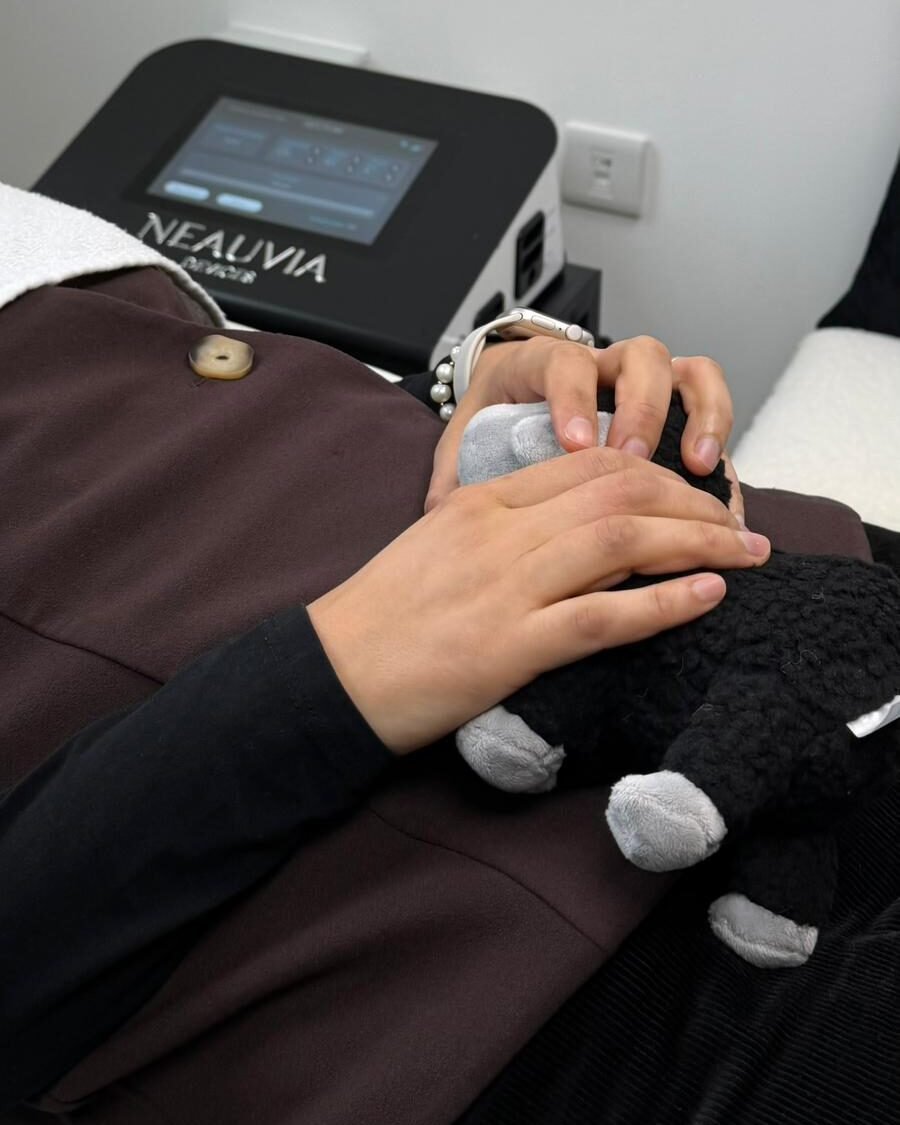
One technology used for this purpose is Neauvia Sectum radiofrequency therapy.

Sectum is a medical radiofrequency platform designed to deliver controlled thermal energy into tissue. In gynaecological protocols the aim is to gently heat vulvovaginal tissue in order to support circulation and collagen structure.

This treatment is non-surgical and typically involves minimal downtime.

It is important to note that intimate radiofrequency treatments are not appropriate for everyone and a consultation is required to determine suitability.

Understanding changes in vulvovaginal tissue

The vulva and vaginal wall contain several layers of tissue including epithelium, connective tissue and smooth muscle. These tissues rely on collagen and elastin fibres for structural support.

Several factors may influence these tissues over time.

Common influences include:
childbirth and stretching of vaginal tissue
hormonal changes such as reduced oestrogen levels
natural ageing processes
connective tissue changes associated with menopause
These changes can affect tissue hydration, elasticity and thickness.
Some patients seek consultation because of concerns such as:
perceived changes in vaginal tissue tone
reduced elasticity following childbirth
symptoms associated with vulvovaginal tissue thinning
A clinical consultation helps determine whether symptoms may be related to vulvovaginal tissue changes or other medical conditions.
Intimate Radiofrequency

What is Neauvia Sectum RF?

Neauvia Sectum is a radiofrequency system designed for aesthetic, surgical and gynaecological applications.
Radiofrequency energy is electrical energy that passes through tissue. As the energy encounters resistance in the tissue it generates heat.
When heat is delivered in a controlled way, it can influence collagen fibres and stimulate fibroblast activity.
Sectum operates at approximately 480 kHz radiofrequency frequency with power output up to 120 W, allowing practitioners to control energy delivery depending on the treatment area.
Unlike surgical procedures, radiofrequency treatments do not involve cutting or removing tissue. The skin and mucosal surface remain intact during treatment.

Bipolar radiofrequency technology

Neauvia Sectum intimate treatments use bipolar radiofrequency energy.
In bipolar radiofrequency systems the electrical current travels between two electrodes located on the treatment applicator.
Because the current path is short, energy is concentrated within the tissue immediately between the electrodes.
This allows practitioners to deliver controlled heating within the target tissue while limiting deeper energy spread.
In vulvovaginal protocols the aim is to gently warm tissue to a therapeutic temperature range.

How intimate radiofrequency treatment works

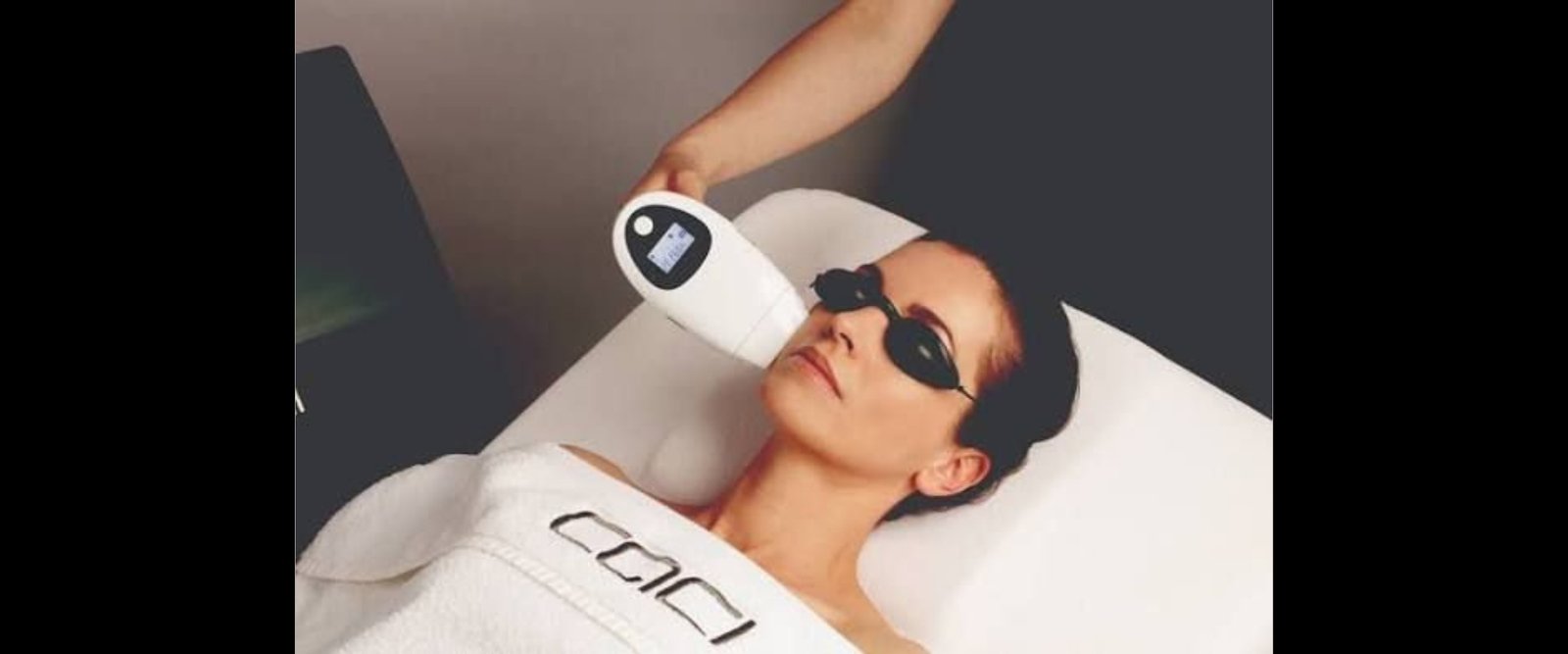
During treatment a specialised gynaecological applicator is used.
The treatment area may include:
the vulva (external tissue)
the vaginal canal (internal tissue)
The practitioner moves the applicator continuously while monitoring tissue temperature.
Typical treatment parameters include:
Target temperature: approximately 39–42°C
Treatment duration: approximately 8–10 minutes per treatment zone
Treatment course: typically 3–5 sessions
Treatment interval: usually 1–2 weeks between sessions
Maintaining controlled temperatures is important to support tissue comfort and safety.

Conductive gel and treatment environment

As with other Sectum treatments, a conductive gel is used during the procedure.
The gel allows the applicator to move smoothly across tissue while improving electrical conductivity.
The electrical properties of the gel help distribute radiofrequency energy evenly within the tissue. 
This reduces surface resistance and supports controlled heating within the deeper connective tissue layers.

Treatment goals

The goal of intimate radiofrequency treatment is to support the biological environment of vulvovaginal tissue.
Possible biological effects of controlled radiofrequency heating include:
stimulation of fibroblast activity
collagen remodelling
increased local circulation
These processes may contribute to improved tissue support and hydration.
However outcomes vary between individuals.
The treatment should not be presented as a guaranteed solution for any specific medical condition.

Clinical assessment and consultation

A consultation is required before any intimate treatment.
During consultation we discuss:
the patient’s symptoms or concerns
relevant medical history
any previous treatments or surgeries
expectations and treatment goals
In some cases additional medical assessment may be recommended.
Radiofrequency treatments may not be appropriate for certain symptoms or medical conditions.
The consultation process ensures treatment decisions are made carefully and appropriately.
Combination treatment protocols
Intimate Radiofrequency

Neauvia N-ROSE Combination Protocol

For some patients, intimate radiofrequency treatment may be integrated into a structured protocol developed by Neauvia known as N-ROSE Smart Combination Therapy.
This protocol combines energy-based treatment, injectable hyaluronic acid and topical cosmeceutical care to support vulvovaginal tissue quality.
The N-ROSE protocol consists of three components.

1. Radiofrequency stimulation – Neauvia Sectum

The first stage of the protocol involves radiofrequency treatment using the Sectum platform.
The radiofrequency applicator is used externally on the vulva and internally within the vaginal canal.
Controlled heating aims to support connective tissue activity and circulation.
Typical treatment areas include:
labia majora
labia minora
vaginal canal
The purpose of this step is to stimulate connective tissue activity and prepare the tissue environment.

2. Hyaluronic acid restoration – Intense Rose filler

The second stage of the protocol involves Intense Rose, a PEG-crosslinked hyaluronic acid filler designed specifically for the intimate area.
Intense Rose contains:
28 mg/ml hyaluronic acid
glycine and L-proline
These amino acids are involved in collagen synthesis.
The product is typically used to restore volume and structure in the labia majora, where tissue atrophy or volume loss may occur.
Typical injection volumes described in clinical protocols include:
approximately 1–1.5 ml per side of the labia majora
The filler is gradually resorbed by the body over time.

3. Home care support – Rejuvenation Rose Gel

The protocol is completed with Rejuvenation Rose Gel, a topical cosmeceutical designed for the intimate area.
This gel contains:
3D fractional hyaluronic acid
growth factors (EGF, aFGF, bFGF, IGF-1, VEGF)
trehalose
The formulation is designed to support hydration and comfort of intimate tissue.
Patients may use the gel as part of the post-treatment care routine.

Protocol structure

According to the manufacturer protocol, the N-ROSE sequence typically involves:
an initial session combining RF and filler treatment
several follow-up RF sessions
topical home care throughout the treatment course
The protocol is generally completed over a short treatment period.
However, treatment planning always depends on individual patient assessment.

Clinical rationale

The rationale behind the protocol is that the three elements address different aspects of tissue quality.
Radiofrequency contributes thermal stimulation of connective tissue.
Hyaluronic acid filler provides structural support and hydration.
Topical cosmeceuticals aim to support tissue comfort and hydration.
These components are intended to work together as part of a structured treatment plan.

Important considerations

Not all patients are suitable candidates for this protocol.
Treatment planning depends on:
medical history
symptoms or concerns
previous treatments
clinical examination
A consultation is required before considering any intimate treatment.

Safety considerations

Radiofrequency treatments are generally well tolerated when performed according to medical protocols.
Temporary effects may include:
mild warmth in the treated area
temporary redness
transient swelling
These effects usually resolve within a short period.
Patients are typically able to return to normal activities soon after treatment.

Evidence and clinical research

Radiofrequency technologies have been studied in dermatology and gynaecology for their effects on connective tissue and collagen structure.
Research suggests controlled heating of connective tissue may influence fibroblast activity and collagen remodelling.
Examples of published research include:
Salvatore S et al.
Histological changes following vulvovaginal radiofrequency treatment.
Journal of Minimally Invasive Gynecology.
Vicariotto F et al.
Non-ablative radiofrequency treatment for vulvovaginal tissue support.
European Journal of Obstetrics and Gynecology.
These studies suggest radiofrequency energy can influence connective tissue structure, although outcomes vary between individuals.
Further research continues to explore long-term effects and optimal treatment protocols.

Conditions this treatment may support

Intimate radiofrequency treatments are not designed to diagnose or treat medical conditions. However, some patients seek consultation because of symptoms or concerns related to changes in vulvovaginal tissue.
In selected cases, controlled radiofrequency heating may be considered as part of a broader treatment plan aimed at supporting tissue quality.
Examples of concerns that may lead patients to explore consultation include:
perceived reduction in vaginal tissue elasticity
changes following childbirth
symptoms associated with vulvovaginal tissue thinning
mild vulvovaginal dryness
reduced tissue hydration
A consultation is required to determine whether these symptoms may be related to vulvovaginal tissue changes or other underlying conditions.
If symptoms are suspected to be related to a medical condition, further medical assessment may be recommended.
Radiofrequency treatments should not replace appropriate medical care.

Recovery and aftercare

Most patients resume normal activities shortly after treatment.
Some clinicians recommend avoiding certain activities such as intercourse or tampon use for a short period following treatment, depending on the protocol used.
Specific aftercare advice will be discussed during consultation.

Dr Hans Clinics : Protocol and workflow

Comprehensive Consultation & Intimate Health Assessment

Medical History & Suitability Review

Previous Treatment & Surgical History Assessment

Vulvovaginal Tissue Quality Assessment

Clinical Assessment & Treatment Planning

Treatment Area Preparation

Conductive Gel Application

Specialised Intimate RF Applicator Preparation

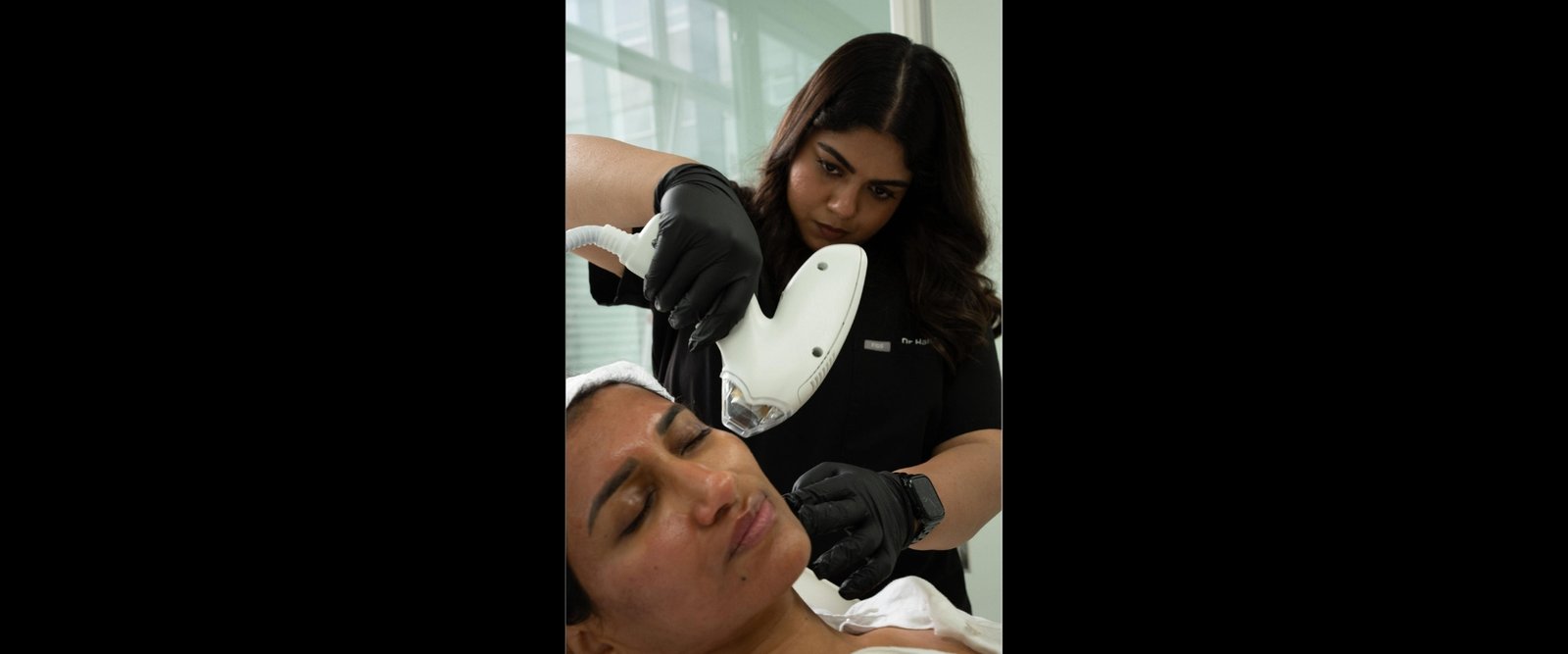
Controlled Bipolar Radiofrequency Treatment

Continuous Applicator Movement & Temperature Monitoring

Post-Treatment Assessment

Aftercare & Recovery Guidance

Follow-Up & Progress Review

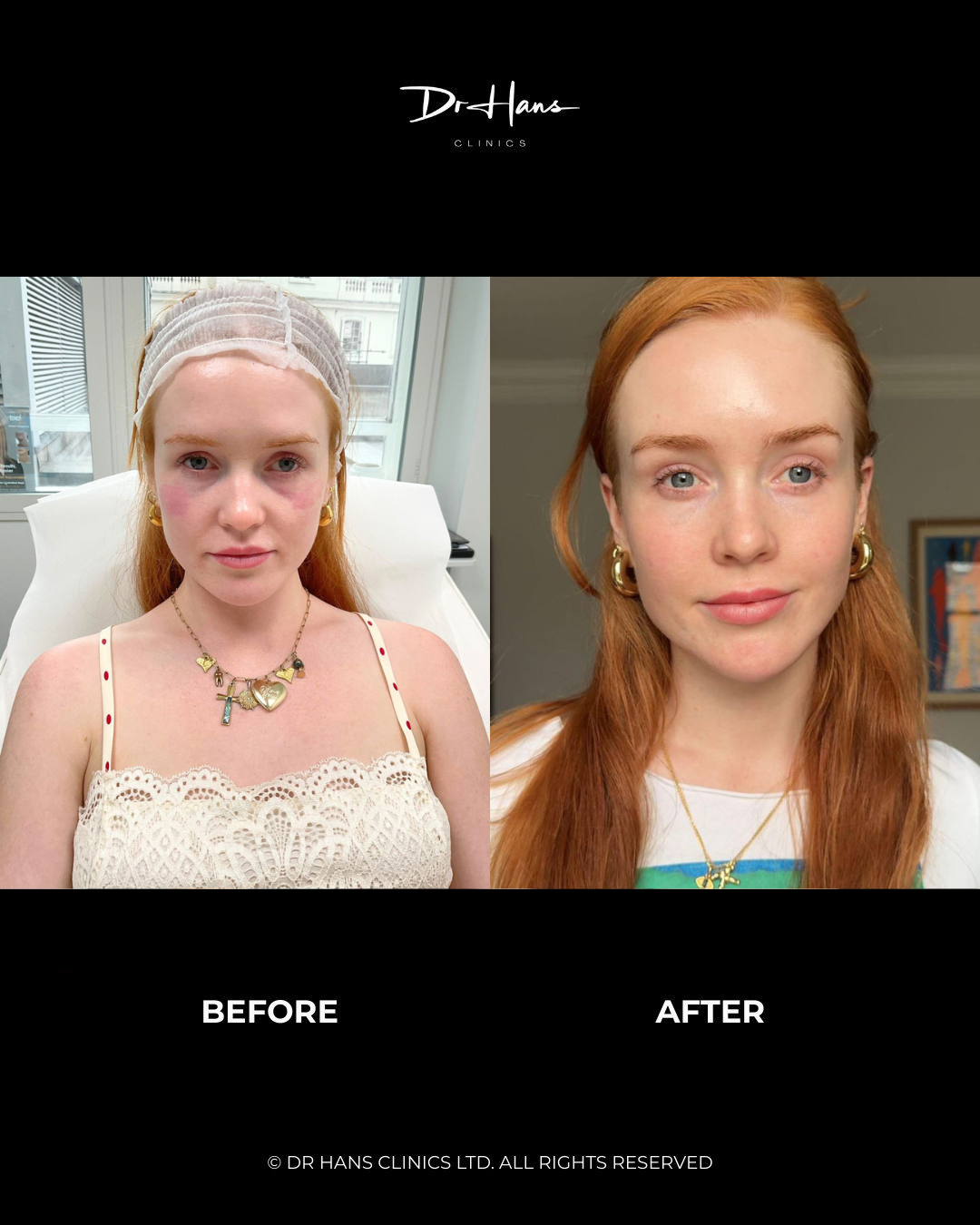
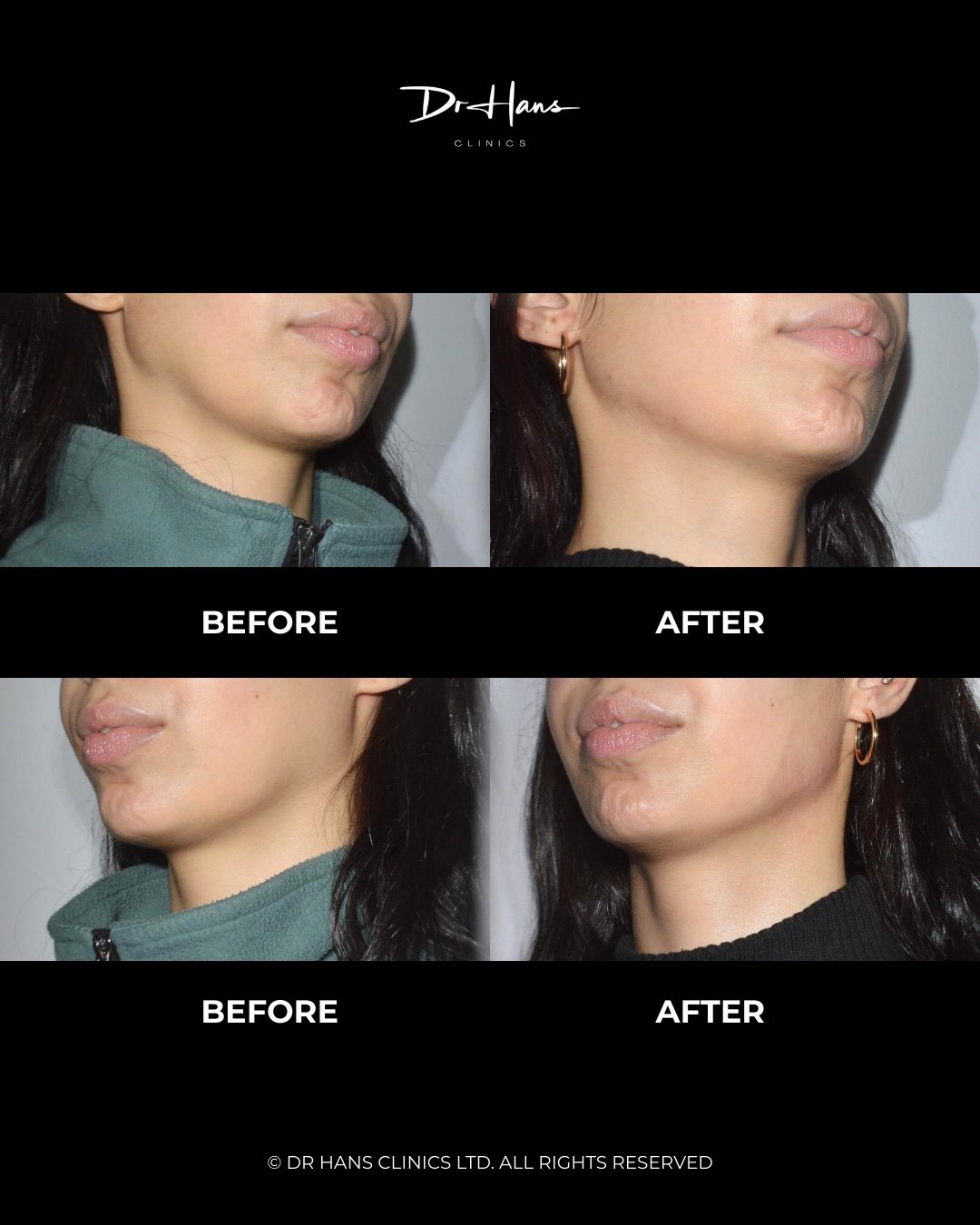
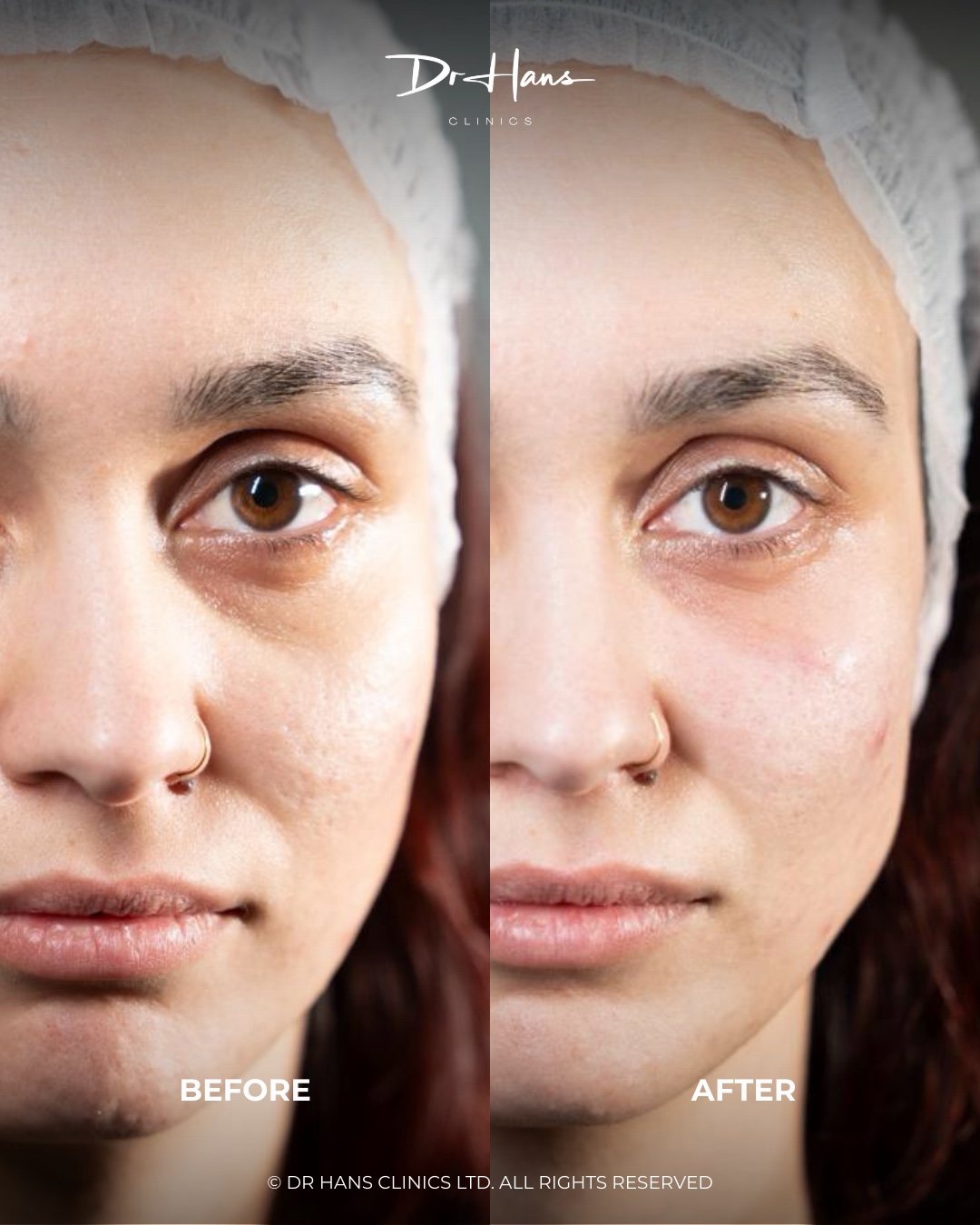
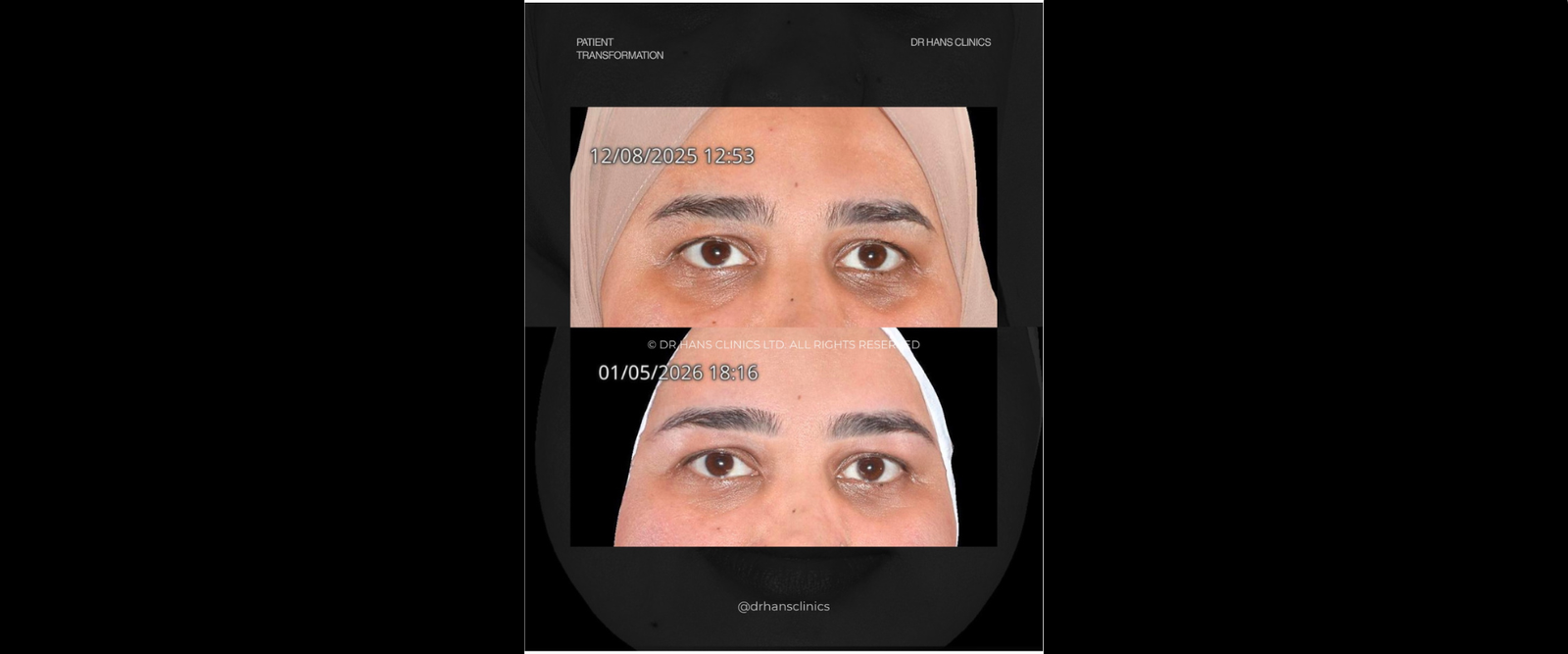
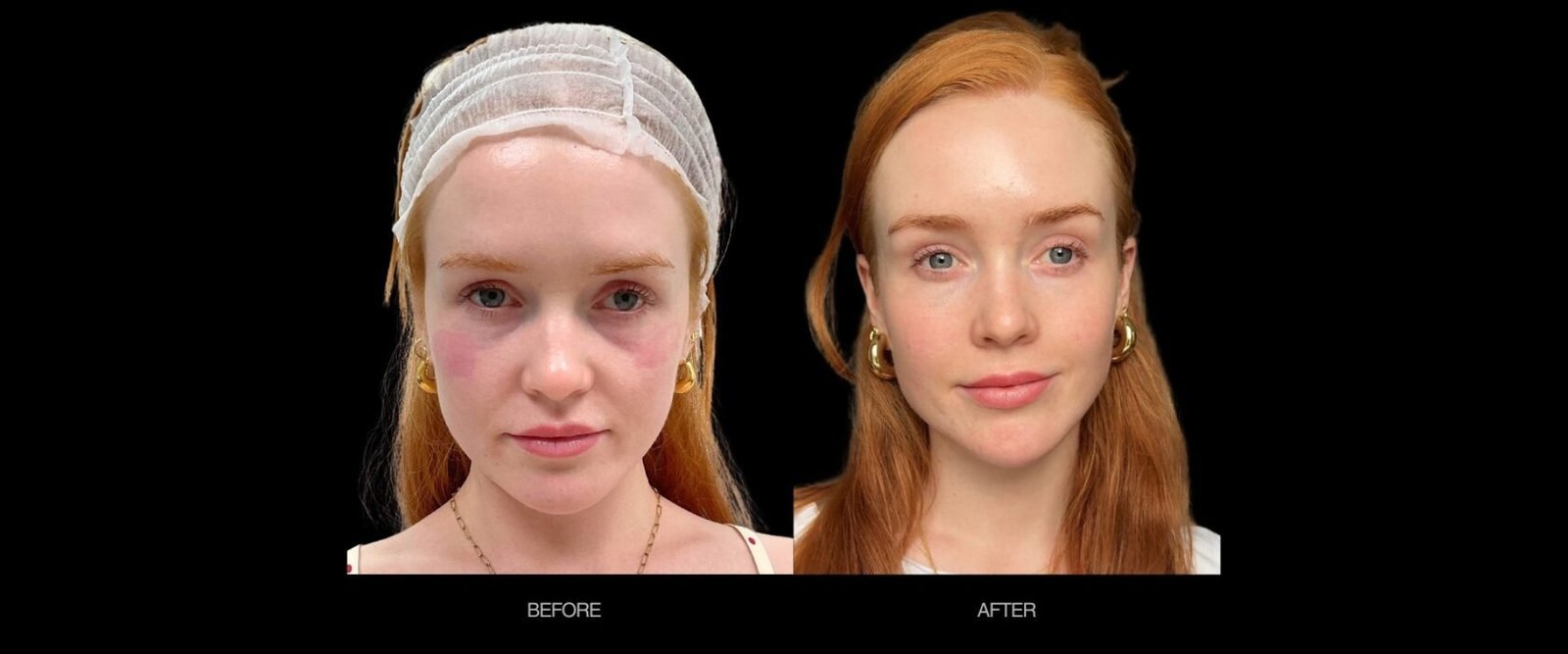
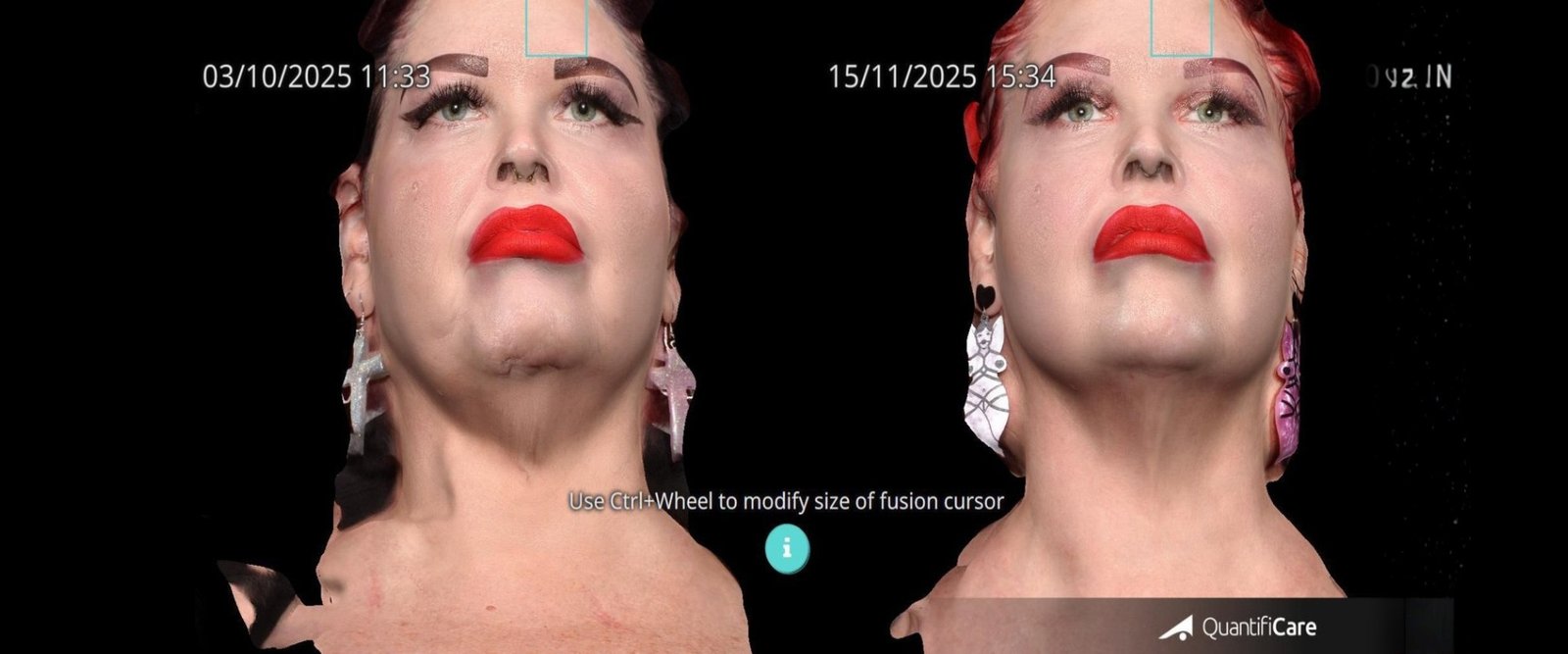
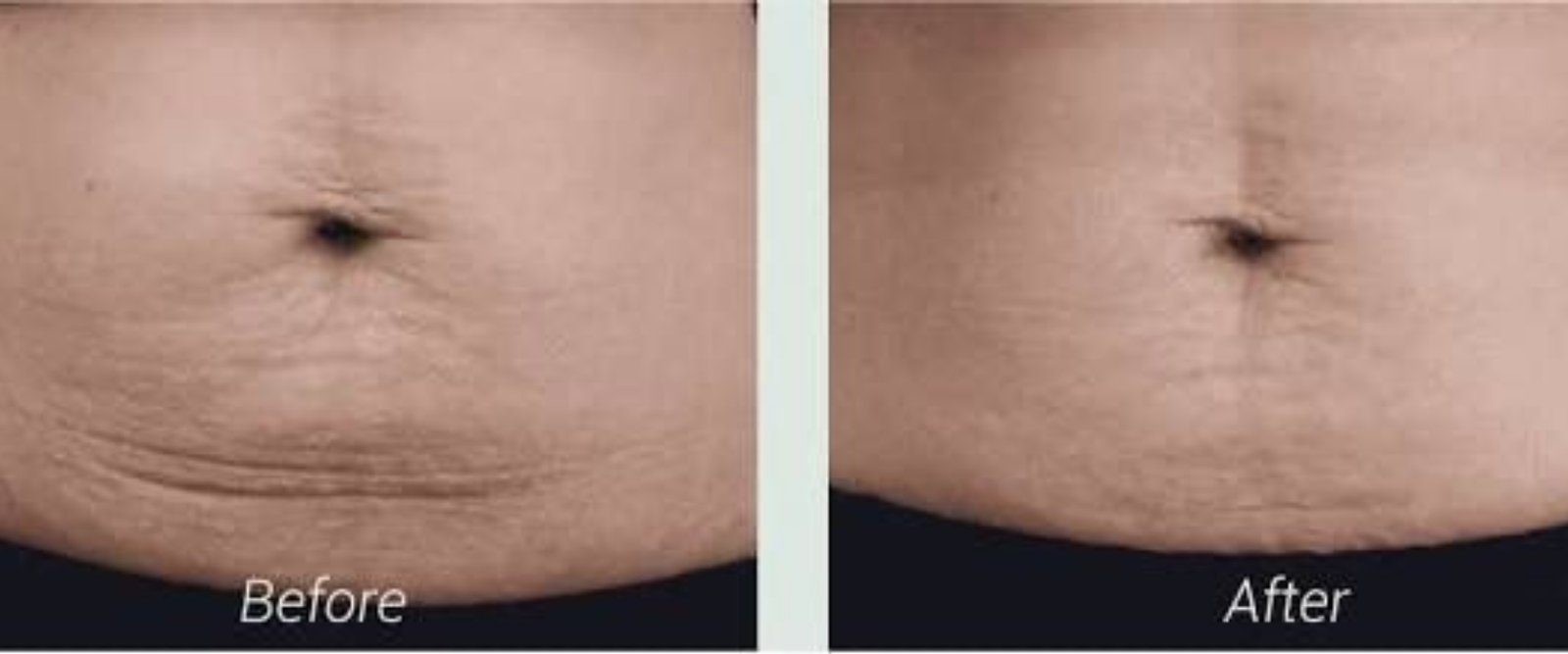
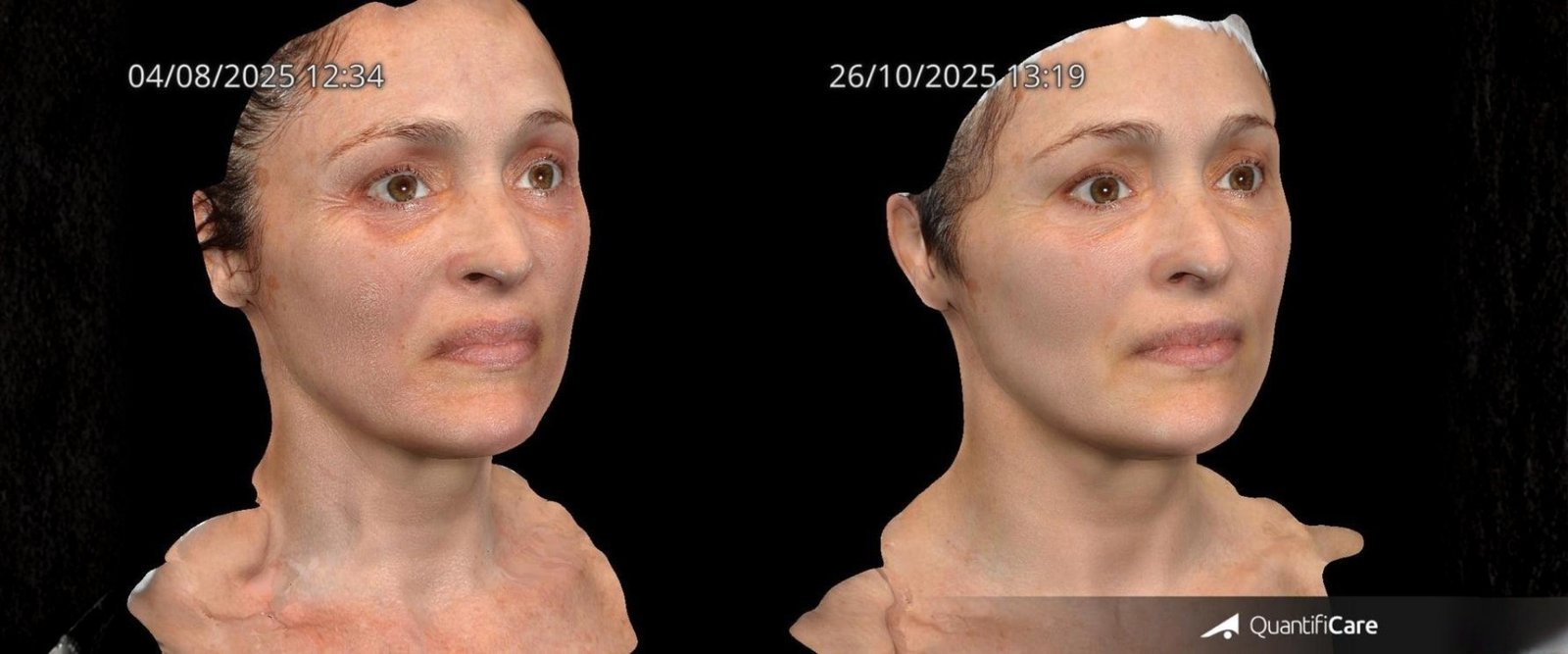
Clinical Before & After Results

Pricing

Neauvia Sectum intimate radiofrequency treatments are offered as treatment courses.

A consultation is recommended before treatment to determine suitability and discuss treatment planning.

A Note on Transparency

PRF EZ Gel Biofiller is frequently marketed in ways that overstate what it does. Claims of long-lasting structural volume, permanent regeneration, or results comparable to dermal fillers aren’t supported by the current evidence. The published literature on plasma gel treatments is still relatively limited, and most studies are small and early in their design.

What we can say with reasonable confidence: PRF Biofiller improves subtle hollowing and early volume loss in suitable patients, delivers some regenerative stimulus through the PRF component, and does so without synthetic material. Results are real but modest, and maintenance is part of the treatment.

We think patients deserve to know that before they book. The consultation is where we work out whether this treatment makes sense for you, and if something else would work better, we’ll recommend that instead.

Our Treatment Specialists

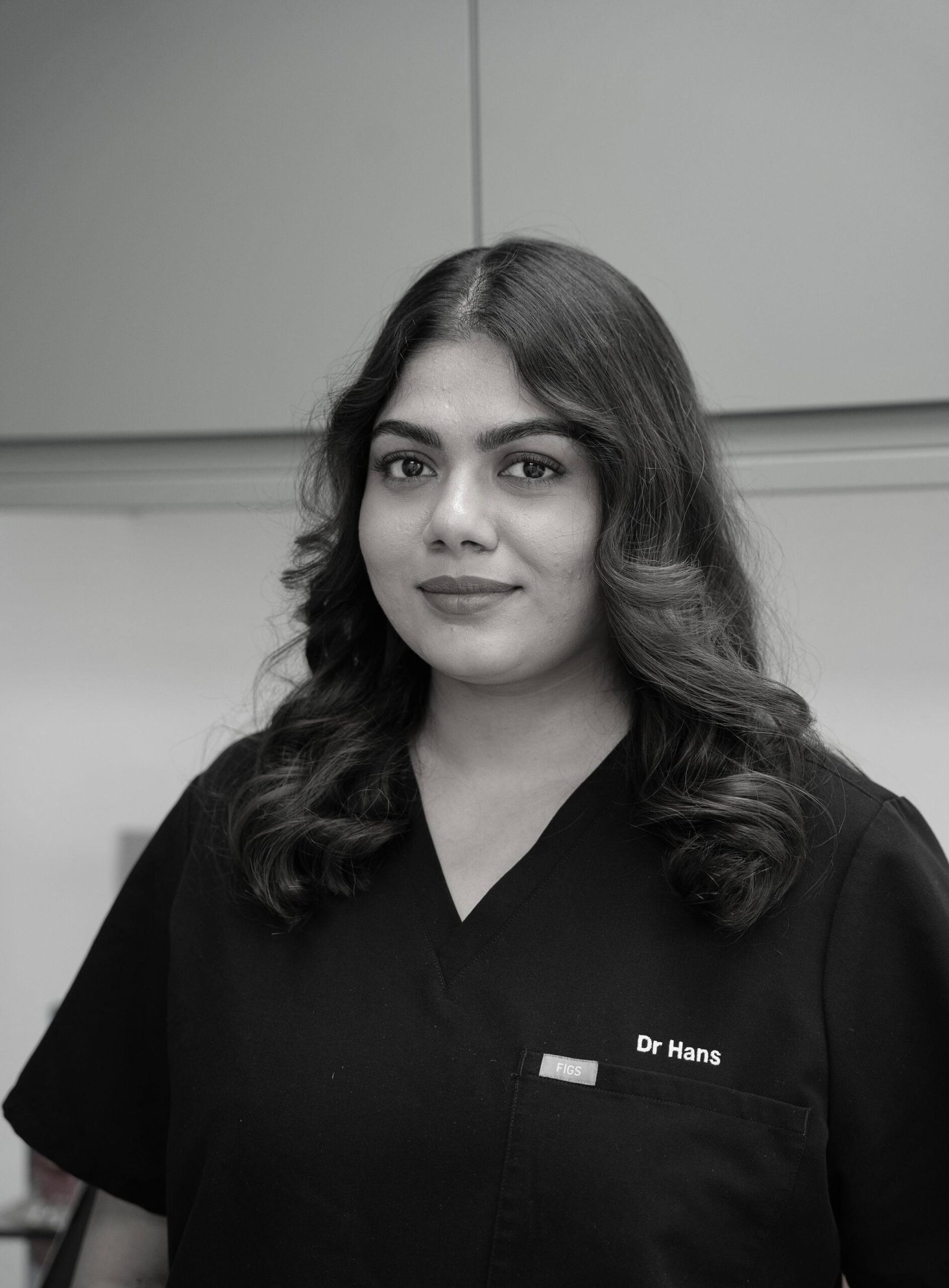
Dr Hansel

Dr. Hansel Misquitta

Founder | Dr. Hans Clinics

MBBS | MSc Plastic & Reconstructive Surgery (UCL) | PGDip Bioethics (UNESCO Chair)

FAQ's

Is the treatment painful?

Most patients describe the sensation as warmth rather than pain. The device allows the practitioner to monitor temperature during treatment and adjust parameters if needed.

Treatment protocols often involve a course of several sessions. In many cases this includes three to five treatments spaced over several weeks.
The exact number of sessions depends on the individual treatment plan discussed during consultation.

Some patients report gradual changes during the treatment course. As connective tissue responds slowly, improvements may continue to develop over several weeks.
Results vary between individuals.

Some women seek consultation after childbirth because of perceived changes in tissue elasticity. A consultation allows discussion of medical history and appropriate treatment options.
Timing after childbirth is important and treatment may be delayed until tissue healing is complete.

Most patients return to normal daily activities shortly after the procedure. Specific aftercare instructions may be provided depending on the treatment protocol.

Tissue changes continue over time due to ageing and hormonal factors. For this reason some patients choose maintenance treatments.

Hormonal changes during menopause can influence vulvovaginal tissue. Patients experiencing symptoms should first seek medical advice to determine the underlying cause.
Radiofrequency treatments may be considered as part of a broader treatment approach depending on the clinical assessment.

As with any procedure involving thermal energy, potential risks include irritation, swelling or temporary discomfort.
These effects are usually mild and resolve within a short period.
A consultation helps identify whether any individual risk factors are present.

Reviews

Semih
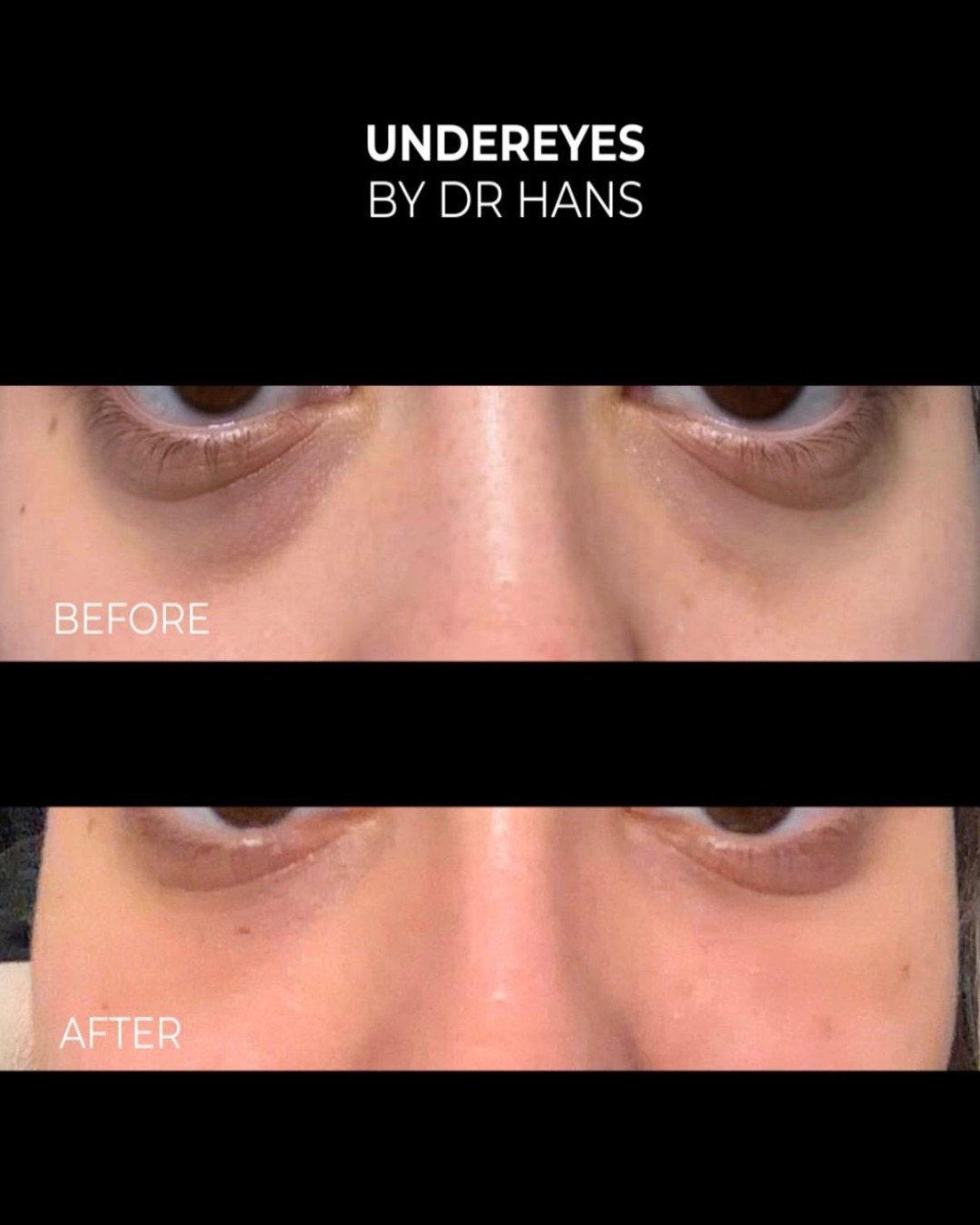
Before booking PRF EZ Gel for my under eyes, I had a lot of questions and concerns. Dr Hans took time to go through all of them properly and did not rush the consultation. She explained the treatment in a balanced way and set realistic expectations. The procedure itself was more comfortable than I imagined and the result looks very natural. My face looks more rested rather than noticeably treated, which was important to me.
Elene Gelashvili
I had a great experience with Dr. Hans. I wanted to do Ez gel under my eyes. She listened to my concerns and took her time to explain why it wouldn’t be suitable treatment for me. Instead we agreed to tighten my skin with Tixel - I had 3 sessions, very happy with the results.
Rachael Epstein
Absolutely the most knowledgeable and kindest doctor I’ve met. I’ve had injectables and PRF and soon tixel with her. She makes you feel so comfortable and confident. She will also say no and not just try to sell which is so important. She truly wants to improve the life of others which isn’t the case throughout the aesthetic industry (a lot of people try to exploit insecurities) and I used to work in it so I know! Thank you so much

Treatment Location

Contraindications

Radiofrequency treatments are not appropriate for all patients.
Common contraindications include:

Condition Reason
Pregnancy
Safety has not been established
Active genital infection
Risk of worsening infection
Recent pelvic surgery
Tissue healing may be incomplete
Implanted electronic devices
RF energy may interfere with device function
Open wounds or lesions
Risk of tissue irritation
Certain inflammatory conditions
May worsen symptoms

Radiofrequency vs laser treatments for intimate tissue

Patients researching intimate treatments may come across both radiofrequency and laser-based procedures. While both technologies aim to influence connective tissue, they work in different ways.
Understanding the difference can help patients make informed decisions.

Feature Radiofrequency treatments Laser treatments
Energy type
Electrical energy generating heat
Light energy absorbed by tissue
Target tissue
Connective tissue and dermis
Water and chromophores in tissue
Skin surface
Usually remains intact
Some laser procedures create microscopic thermal injury
Downtime
Often minimal
May involve several days of recovery depending on device
Mechanism
Controlled heating stimulates collagen activity
Laser energy causes controlled thermal injury leading to tissue remodelling

Both technologies have been studied in dermatology and gynaecology for their effects on connective tissue.
However, the most appropriate treatment depends on the patient’s symptoms, anatomy and treatment goals.
A consultation allows discussion of available options and whether treatment is appropriate.

Book Your Consultation

Book your Intimate Radiofrequency Treatment – Dr Hans Clinics.

Related Articles

error: Content is protected !!