No products in the cart.


Intimate Wellness and Vaginal Rejuvenation: What Women Are Really Asking About Dryness, Painful Sex, Menopause and Pelvic Floor Health
There is a point where a lot of women quietly start thinking, “Something down there just doesn’t feel right anymore.”
Not necessarily dramatic. Not necessarily a full-blown medical emergency. Just different.
Drier. More sensitive. More irritated. Less comfortable during sex. Less comfortable during exercise. More awareness of the bladder. Less confidence. A feeling of heaviness, reduced support, or just not feeling like yourself. I mean, as women we go through so much right from menstruation, puberty, childbirth, menopause.. things are just never the same down there again!
And because women have been trained for decades to put up with things, many wait far too long before asking about it. They assume it is “just ageing”, “just after kids”, or “just menopause”. But intimate wellness matters because these symptoms can affect comfort, confidence, relationships, exercise, sleep, body image, and quality of life, not just sex. The British Menopause Society notes that genitourinary syndrome of menopause can negatively affect sexual intimacy and quality of life, and that symptoms often worsen over time if not addressed.
This is where the term vaginal rejuvenation becomes a bit of a mess.
It is a marketing term, not a diagnosis. Women are rarely searching because they want a vague “rejuvenation” experience with scented candles and nonsense. They are usually asking much more practical questions:
Can anything help vaginal dryness?
Why is sex painful now?
Why does everything feel different after menopause or childbirth?
Is it hormones?
Is it my pelvic floor?
Do I need treatment, physiotherapy, or both?
And do devices actually work, or is it another expensive wellness plot twist?
Those are the questions that matter.
Why intimate wellness matters
Intimate wellness is not vanity. It is not frivolous. It is not something women should have to whisper about like they are discussing contraband.
Changes in intimate tissue and pelvic floor function can affect daily comfort, intimacy, bladder symptoms, movement, and confidence. Guidance from the British Menopause Society describes common symptoms including dryness, itching, burning, and pain with intercourse, and notes that reduced blood flow and vaginal secretions can affect sensation and sexual pleasure. It also makes the point that this does not only matter for sexually active women. It can affect day-to-day comfort and wellbeing more broadly.
That is why intimate wellness deserves proper attention. Not panic. Not shame. Not glossy rubbish. Proper attention.
What women are actually asking
Most people do not book a consultation saying, “Hello doctor, I would like vaginal rejuvenation.”
They say things like:
“I feel dry all the time.”
“Sex has become uncomfortable.”
“I feel weaker or looser after childbirth.”
“I keep getting irritation.”
“I feel different after menopause.”
“I don’t know whether this is hormonal or muscular.”
“I want help, but I don’t want to be sold fairy tales.”
Fair enough. Neither do we.
What can cause these changes?
There is rarely one single cause. The common contributors include menopause, postpartum change, pelvic floor dysfunction, tissue thinning, reduced lubrication, scar tissue, muscle overactivity, and sometimes bladder-related changes. The 2025 AUA/SUFU/AUGS guideline defines genitourinary syndrome of menopause as symptoms and physical changes caused by declining estrogen and androgen levels, while the BMS describes thinning tissue, altered connective tissue, reduced elasticity, and lower secretions as part of the picture.
That is why a proper assessment matters.
Because “dryness” may not just be dryness.
“Loose” may not actually be the vagina at all.
And “painful sex” may involve tissue, hormones, pelvic floor tension, or all three.
Cleveland Clinic makes this point plainly: when women feel “loose”, the issue is often weak pelvic floor muscles rather than the vagina itself.
Menopause, dryness and painful sex
A huge number of women in midlife are dealing with symptoms now grouped under genitourinary syndrome of menopause, or GSM. This includes dryness, burning, irritation, discomfort with sex, urinary symptoms, and tissue fragility. The symptoms are common, they are often under-treated, and unlike hot flushes, they often do not just fade away with time.
That matters because too many women think they should just tolerate it.
No. You do not get a medal for suffering in silence. You just get unnecessary discomfort.
Evidence-based options that deserve to be taken seriously
This is where the conversation needs to get more honest.
The strongest options are not always the ones with the flashiest branding. Some of the best-supported treatments are, frankly, not sexy from a marketing point of view. They just happen to work.
1) Vaginal oestrogen
For many women with menopausal genitourinary symptoms, local vaginal oestrogen is one of the best-supported treatments. NICE recommends offering and discussing vaginal oestrogen for genitourinary symptoms associated with menopause, and advises that it can be used on its own or with non-hormonal moisturisers or lubricants. NICE also states that systemic absorption is minimal and serious adverse effects are very rare.
That is important because a lot of women have been left frightened of a treatment that is often far more sensible than the breathless device marketing they are exposed to online.
2) Moisturisers and lubricants
These are not glamorous, but they are useful. The National Institute on Aging notes that many women get relief from vaginal dryness with water-based lubricants and regular vaginal moisturisers. They are particularly helpful for symptom relief and can be used alone or alongside other options.
Not exciting. Not futuristic. Still useful.
3) Pelvic physiotherapy
This is one of the most underrated parts of intimate care.
If the pelvic floor is weak, poorly coordinated, overactive, guarding, painful, or simply not functioning well, then treating the area without addressing the muscles is incomplete. A randomized clinical trial found pelvic floor rehabilitation improved dyspareunia outcomes, and major clinical sources describe pelvic floor physical therapy as a core treatment for pelvic floor dysfunction.
This is why we offer pelvic physiotherapy at our clinic as part of intimate wellness care. Because sometimes the smartest treatment plan is not “more gadget”. It is better function.
Where Neauvia Sectum radiofrequency fits
Now to the part the internet likes to oversell. Devices!
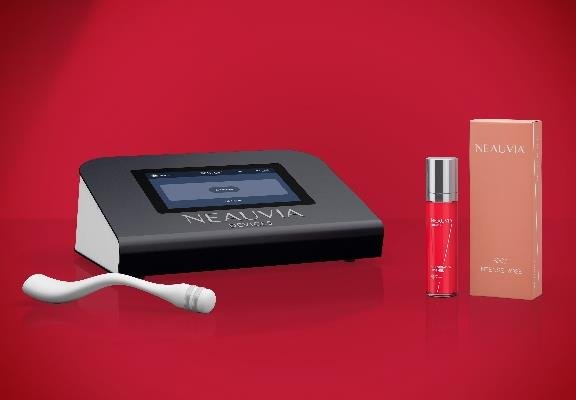
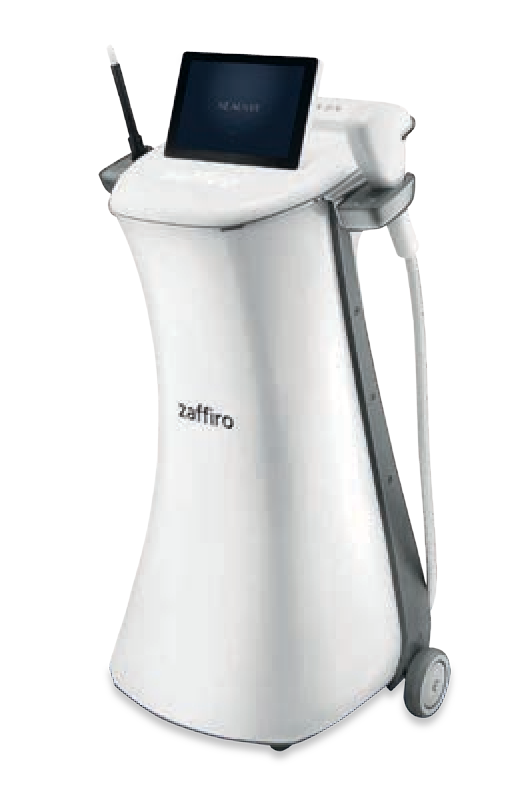
Neauvia Sectum is a bipolar radiofrequency platform with a gynaecology application. The idea is controlled thermal stimulation of tissue. Device-linked studies and early publications suggest potential changes in collagen, elastin, fibroblasts and tissue quality, and some small studies or case-based reports suggest symptom improvement in selected patients.
That is the promising part.
Here is the non-delusional part.
Major guidance bodies remain cautious about energy-based devices marketed for “vaginal rejuvenation.” The FDA warned that safety and effectiveness had not been established for these devices for vaginal “rejuvenation” or related menopausal, continence, or sexual-function claims, and the AUGS consensus statement says the evidence base remains limited and more robust long-term data is needed.
So where does that leave RF?
Not useless.
Not miracle-grade.
Not first-line for everything.
Potentially helpful in selected, well-counselled patients as part of a broader intimate wellness plan.
That is how we position it.
Our clinic approach
At our clinic, we do not treat intimate wellness like a beauty trend.
We look at the full picture:
* symptoms
* menopausal or postpartum history
* tissue quality
* pelvic floor function
* pain pattern
* bladder symptoms
* whether hormones are relevant
* whether pelvic physiotherapy is likely to help
* whether radiofrequency is appropriate at all
That means your plan may include:
* discussion of evidence-based options such as local vaginal oestrogen, where appropriate. A referral to a gynaecologist if needed.
* non-hormonal moisturisers and lubricants
* pelvic physiotherapy
* and in selected cases, Neauvia Sectum radiofrequency as part of a broader care plan
What we do not do is pretend one treatment solves every intimate concern known to womankind. That is not medicine. That is PowerPoint with a payment link.
Who may benefit from radiofrequency as part of a plan?
A selected patient may be interested in RF if she:
* wants a non-surgical option
* is looking for support with tissue quality or comfort concerns
* prefers a device-based option after discussing more established treatments
* understands that the evidence is still evolving
* has realistic expectations
* is open to combination care rather than expecting one session to rewrite biology
That last part matters. A lot.
Because intimate health is not one thing. It can involve hormones, muscle tone, muscle tension, childbirth, menopause, scars, pain pathways, bladder changes, and plain old life.
What this is not
This is not about chasing some ridiculous standard of how a woman “should” feel or look.
It is about comfort, function, confidence, and quality of life.
Sometimes the right answer is vaginal oestrogen.
Sometimes it is pelvic physiotherapy.
Sometimes it is both.
Sometimes a device may have a role.
Sometimes the best thing a patient hears is, “You do not need an aggressive treatment. You need the right one.”
That is a far better conversation than selling every woman the same branded solution and calling it empowerment.
The bottom line
If things feel different down there, you are not overreacting, and you are not alone.
Dryness, discomfort, painful sex, pelvic floor changes, and menopausal tissue changes are common. They can affect daily life far more than people realise, and they deserve proper, evidence-based assessment. The more established options remain local vaginal oestrogen where appropriate, non-hormonal symptom support, and pelvic physiotherapy, while radiofrequency sits in the “potentially useful but still evolving” category rather than the “proven miracle” category.
That is the difference between intimate wellness and empty marketing.
One is about helping women feel better.
The other is about inventing insecurities and billing them.
We know which side we are on.
A Patient Perspective
Shared with patient permission. Individual experiences vary. This reflects one woman’s experience as part of a personalised plan.
“I’m 58, and for a while I had just been putting up with dryness and painful sex, assuming it was something I had to accept. After three Sectum sessions, and while using a lubricant gel as advised, I did notice that things felt more comfortable and less painful. The improvement was gradual, but real. The procedure itself, not painful and surprisingly relaxing!”
As with any intimate wellness treatment, outcomes vary, and improvement may reflect the wider plan rather than one treatment in isolation.
Interesting reads >
https://drhansclinics.co.uk/about-us/shirley-gaikwad/
https://drhansclinics.co.uk/neauvia-n-rose-protocol/
https://drhansclinics.co.uk/neauvia-sectum/
https://vt.tiktok.com/ZSHKHkCbP/
https://www.instagram.com/reel/DXR9Y2mR8TD/?igsh=MTkwaHp0ZWd2OWt6cw==
vaginal rejuvenation, vaginal rejuvenation treatment, intimate wellness, women’s intimate health, vaginal dryness, painful sex, menopause symptoms, pelvic floor health, pelvic floor therapy, female wellness, vaginal health, menopause care, vaginal tightening, non surgical vaginal rejuvenation, vaginal laser treatment, pelvic floor exercises, vaginal discomfort, women’s health clinic, intimate health treatment, menopause clinic, dyspareunia, vaginal laxity, postmenopausal care, urinary incontinence, pelvic muscle health, female sexual health, hormone changes, vaginal lubrication, women’s wellness, intimate care, menopause support, vaginal rejuvenation UK, pelvic floor specialist, vaginal rejuvenation London, vaginal rejuvenation clinic, intimate wellness clinic, women’s healthcare, vaginal health treatment, sexual wellness for women, Dr Hans Clinics, UK women’s clinic, menopause treatment, pelvic floor strengthening, vaginal therapy, female intimate rejuvenation, laser vaginal rejuvenation, women’s wellbeing, vaginal care, vaginal symptoms, pelvic health care

Dr Hansel Misquitta


Add comment