Honest Takeaway
Cellulite is common, lipoedema is often misunderstood. Neither should be dismissed – but both demand honest, evidence-based solutions, not marketing gimmicks.
Cellulite & Lipoedema Reduction
45-60 minutes
1/3

Price on Request
Minimal
Cellulite is not simply fat. That is exactly why treating every dimple as a fat problem so often disappoints.
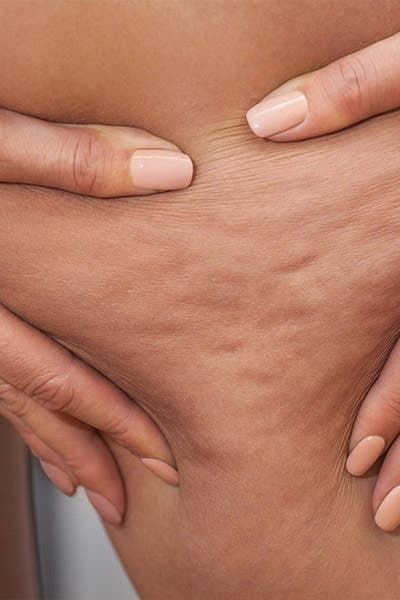
Cellulite is the familiar dimpled, rippled or ‘orange-peel’ appearance most commonly seen across the thighs, buttocks and hips. It is extremely common, particularly in women, and it can occur at almost any body weight. You can be lean, fit and still have cellulite. You can lose weight and still have cellulite. That is because cellulite is a structural tissue problem rather than a simple measure of how much body fat somebody carries.
At Dr Hans Clinics, we assess the pattern of cellulite before deciding how to treat it. A deep, sharply defined dimple may be caused predominantly by a fibrous septum tethering the skin downwards. Diffuse rippling may be accompanied by poorer skin firmness. Another area may contain fibrosis, localised adipose tissue and laxity at the same time. Those patterns should not automatically receive the same treatment.
Depending on the anatomy and the concern, our treatment options may include Neauvia Sectum radiofrequency, targeted subcision, PBSerum recombinant enzyme treatment, Sunekos Cell 15, Sunekos Body, or a carefully sequenced combination. If the problem is better managed surgically, or if we suspect lipedema, lymphatic disease or another medical cause of swelling, we recommend appropriate referral rather than trying to turn every problem into a cosmetic treatment.

Cellulite describes a change in the surface contour of the skin in which depressions and elevations create a dimpled or rippled appearance. The thighs and buttocks are the classic areas, although it can occur elsewhere.
The anatomy underneath the surface matters. Fibrous connective-tissue septa pass through the subcutaneous fat and connect the skin to deeper tissue. Current anatomical and clinical research supports an important role for these septa in the formation of cellulite depressions. Where a septum exerts downward traction while adjacent tissue projects upwards, a visible dimple can form.
The dermis, extracellular matrix, subcutaneous adipose tissue, microcirculation and tissue fibrosis may also contribute. Cellulite therefore sits at the intersection of several structures rather than belonging neatly to one category.
This also explains why one treatment rarely deserves to be called ‘the best cellulite treatment’. A device that improves skin firmness is addressing a different component from a procedure that physically releases a tethered septum.
Cellulite is substantially more common in women. Differences in the orientation and organisation of fibrous septa, the distribution of subcutaneous fat, connective-tissue characteristics and hormonal influences are all thought to contribute.
Genetics, age, skin thickness, changes in elasticity and body composition can alter how visible it becomes. None of this means cellulite is a disease or evidence that somebody is unhealthy. For most people it is a normal anatomical variation that becomes an aesthetic concern because they dislike its appearance.
That distinction matters. Our aim is improvement where treatment is appropriate, not to medicalise normal female anatomy or promise a completely texture-free body.
A useful cellulite consultation is less about assigning a dramatic grade and more about identifying what is producing the visible irregularity.
These are individual depressions that remain relatively defined. If a fibrous septum is producing a focal downward tether, a treatment that physically addresses that tether can be more logical than repeatedly treating the entire thigh. This is where subcision may be considered.
Some cellulite is less about a handful of deep dimples and more about widespread surface irregularity. Skin quality, connective tissue and superficial subcutaneous architecture may all contribute. Radiofrequency or selected injectable tissue-remodelling treatments may be considered depending on the examination.
Sometimes the problem described as cellulite is partly cellulite and partly lax or crepey skin. Releasing individual septa cannot correct general skin laxity. Treatment may therefore need to include a modality directed towards tissue firmness, such as Sectum RF, or a skin-quality treatment where appropriate.
Localised fat and cellulite can coexist, but they are not interchangeable. Fat reduction does not automatically release fibrous septa. Equally, releasing a dimple does not remove a significant localised fat deposit. Where body contour rather than cellulite is the dominant issue, a body-contouring or surgical opinion may be more useful.

Assessment considers the distribution of dimpling, whether depressions are discrete or diffuse, skin laxity, tissue quality, localised adiposity, previous surgery or liposuction, scarring, symptoms such as pain or swelling, and whether the appearance changes with position or muscle contraction.
We also look for clues that the concern may not be straightforward cosmetic cellulite. Painful disproportionate legs, marked easy bruising, significant swelling, heaviness or a history suggesting lymphatic or venous disease changes the conversation completely.
The point of assessment is not to find a reason to use every treatment we own. It is to decide which anatomical component is realistically modifiable and which treatment is capable of addressing it.
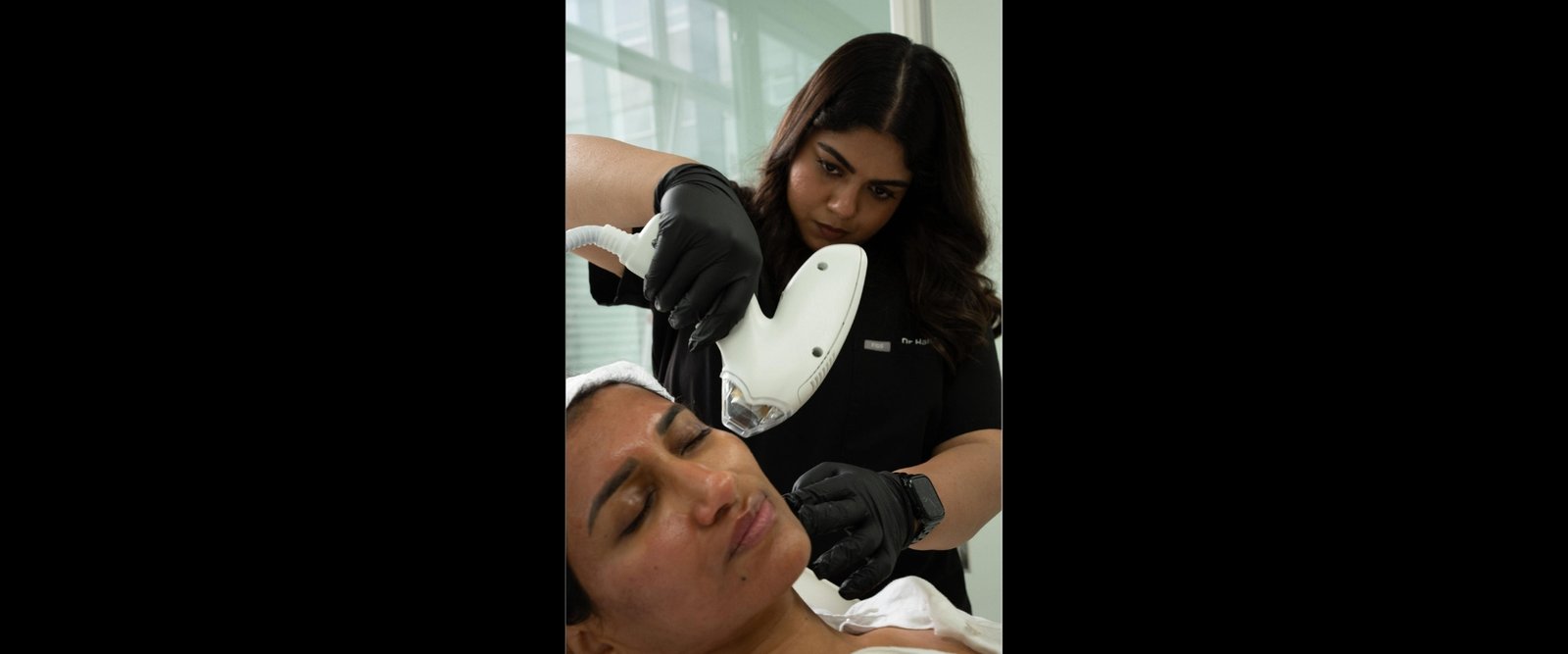
Sectum is the radiofrequency platform used at Dr Hans Clinics for selected face and body indications. The body applicator delivers controlled bipolar radiofrequency energy with real-time temperature monitoring. Neauvia lists aesthetic indications including body contouring, silhouette modelling, skin thickening and firming, and reduction in the appearance of cellulite.
Radiofrequency works by generating controlled thermal energy within tissue. Thermal stimulation can produce immediate collagen-fibre contraction and initiate longer-term fibroblast and extracellular-matrix responses. In cellulite treatment, the practical objective is not to ‘melt dimples’. We are using RF primarily where improving the firmness and quality of the surrounding tissue may improve the overall surface appearance.
This makes Sectum particularly relevant where cellulite is diffuse or accompanied by skin laxity rather than consisting solely of a few sharply tethered depressions.
A recent systematic review of randomised controlled trials found promising results for radiofrequency in cellulite, including reductions in measured thigh circumference and subcutaneous tissue thickness in the included studies. The evidence is encouraging, but the studies used different RF technologies, treatment schedules and outcome measures. Results from one RF platform cannot simply be assumed to apply identically to another.
That is why we describe RF as a treatment that can improve the appearance of cellulite in appropriately selected patients, rather than promising permanent cellulite removal.
Radiofrequency is usually approached as a course rather than a one-off miracle session. The recommended number and interval depend on the area, baseline laxity, treatment parameters and response. Maintenance may be appropriate because skin and connective tissue continue to age.
Sectum aesthetic RF is non-surgical and is generally associated with little procedural downtime. Temporary warmth or redness may occur. Suitability and expected response are discussed before treatment.
When a dimple is being held down by a fibrous tether, releasing the tether is a fundamentally different strategy from heating the skin above it.
Subcision is a minimally invasive procedure in which a suitable needle, cannula or subcision instrument is passed beneath the skin to mechanically release selected fibrous septa contributing to a visible depression. Once the downward tether is released, the skin has the opportunity to sit more evenly with the surrounding surface.
Subcision is therefore most logical for discrete, stable, tethered depressions. It is not a sensible answer to every area of general rippling, laxity or adiposity.
Subcision has one of the clearer anatomical rationales among cellulite procedures and a meaningful clinical evidence base. A 2024 systematic review and meta-analysis included nine tissue-subcision studies involving 789 treated patients. The review concluded that tissue subcision appears effective for cellulite, while also emphasising the need for more standardised comparative research.
Bruising is not a minor footnote. In that analysis, bruising was reported in almost all subcision patients. Pain, swelling, tenderness, temporary firmness, discoloration and induration can also occur. More significant complications are possible with an invasive procedure and are discussed during consent.
Subcision does not tighten an entire loose thigh, remove significant fat or correct every form of surface irregularity. If the surrounding skin is lax, treating the tether alone may improve the dimple but leave the broader tissue-quality problem unchanged. That is one reason combination treatment can sometimes be appropriate.
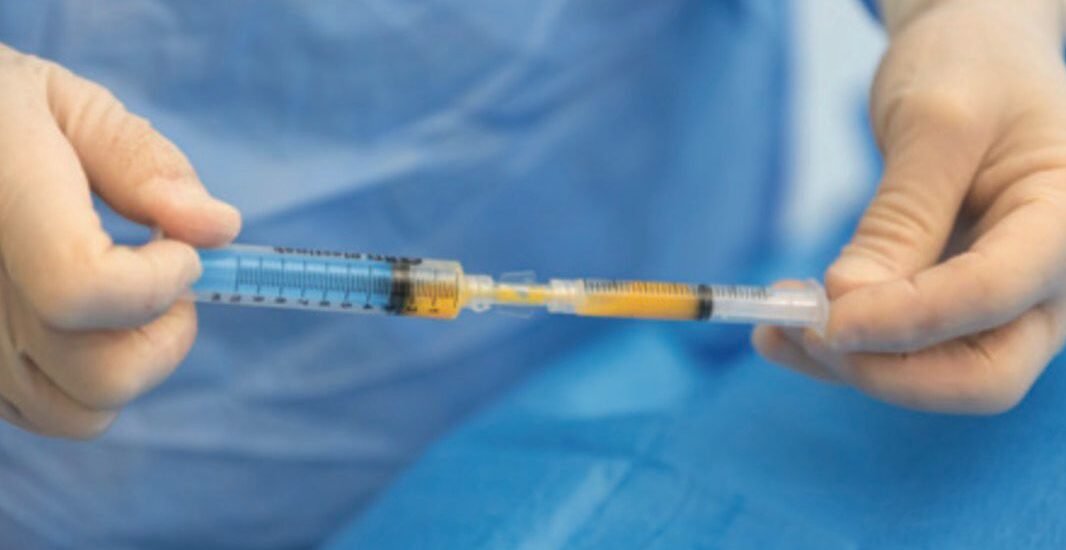
PBSerum is an injectable recombinant enzyme system. For cellulite associated with localised fatty fibrosis, the PBSerum formulation indicated by the manufacturer for corporal adiposity and cellulite contains three recombinant enzymes: Collagenase G/H PB220, Lipase PB500 and Lyase PB72K.
That is the formulation relevant to the cellulite discussion here. We are not listing the entire PBSerum catalogue because different PBSerum products are designed for different tissue problems.
Collagenase G/H PB220 is the component directed towards altered fibrotic collagen. PBSerum describes it as breaking down aged or non-functional collagen fibres and supporting subsequent production of new collagen fibres by fibroblasts. In cellulite, this is relevant because fibrosis and collagen-rich septal structures can contribute to the tethered and irregular tissue architecture.
Lipase PB500 is included because localised adipose tissue can coexist with fibrosis. PBSerum describes this enzyme as acting on lipid metabolism and, within its cellulite/body formulation, uses it as part of the approach to localised fatty fibrosis.
Lyase PB72K acts on extracellular-matrix components and is used by PBSerum to influence tissue permeability and fluid movement. The rationale is therefore broader than simply ‘fat dissolving’: the formulation is designed around the combination of fibrosis, adipose tissue and extracellular-matrix characteristics.
This is important because PBSerum should not be described as a generic fat-dissolving injection. Cellulite is not merely excess fat, and the intended rationale of the recombinant enzyme system is tissue remodelling in selected fibrotic/adipose patterns.
We may consider PBSerum where examination suggests a meaningful fibrotic component, particularly when localised adiposity and tissue irregularity coexist. It may also be considered as part of a staged plan where another modality is addressing skin laxity or discrete tethering.
The treatment is not automatically chosen because somebody has visible cellulite. A sharply tethered individual dimple may be better suited to mechanical release. Predominantly lax skin may make RF more relevant. The clinical pattern decides the strategy.
There is clinical and mechanistic literature around recombinant enzyme use in aesthetic medicine, but the evidence base for PBSerum specifically in cellulite is not equivalent to the large randomised trial programme conducted for collagenase clostridium histolyticum-aaes, a different collagenase product previously studied for cellulite.
Those products should not be conflated. Evidence from one collagenase formulation cannot simply be borrowed to prove the efficacy of another. We therefore explain PBSerum according to its own formulation, manufacturer-supported indications and available evidence rather than claiming results demonstrated with a different drug.

Sunekos Cell 15 is specifically designed around the extracellular-matrix and fibrotic component of cellulite. It combines low-molecular-weight hyaluronic acid of approximately 200 kDa with six amino acids – glycine, L-proline, L-lysine, L-leucine, L-valine and L-alanine – reconstituted in an alkaline carbonate/bicarbonate solution.
The rationale is not to fill each dimple like a dermal filler. The formulation is intended to interact with the tissue environment and extracellular-matrix remodelling associated with fibrotic cellulite.
A 2026 prospective multicentre clinical investigation evaluated Sunekos Cell 15 in 46 women with cellulite from stage I to early stage IV. Participants received three treatment sessions at 14- to 21-day intervals. The study reported improvements that remained stable for up to six months, with the greatest benefit observed in stage II, stage III and early stage IV cellulite, where fibrosis tends to be more pronounced.
The treatment appeared less effective in earlier-stage cellulite, where fluid retention and microcirculatory changes may be more prominent than fibrosis. That is clinically interesting because it supports the principle that cellulite morphology matters when selecting treatment.
The study also has important limitations. It was a prospective observational investigation rather than a large randomised placebo-controlled trial, included 46 women, and was funded by the manufacturer. The findings are promising rather than definitive. That distinction stays on our website because evidence does not become stronger by removing the limitations from the paragraph.
Sunekos Body is not the same treatment as Sunekos Cell 15. Its relevance on a cellulite page is mainly when cellulite
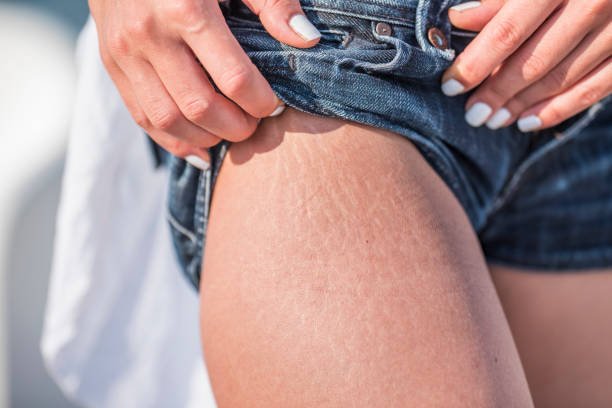
exists alongside body skin laxity, reduced skin quality or stretch marks.
A patient can have several overlapping concerns: tethered cellulite depressions, thinner or looser skin and striae in the same anatomical region. Correcting one component does not necessarily correct the others.
Sunekos Body may therefore be considered as part of a broader skin-quality plan where laxity or striae are clinically relevant. We would not present it as a substitute for subcision when a discrete fibrous tether is the dominant problem, nor as a substitute for appropriate body contouring where significant adiposity is the main concern.
Yes, but combination treatment should mean different treatments addressing different anatomical components. It should not mean performing every available procedure on the same tissue because more treatment sounds more impressive.
This combination may make sense when there are obvious tethered depressions sitting within generally lax or poorer-quality skin. Subcision addresses selected fibrous septa. RF addresses the broader tissue-firmness component. The treatments may be staged rather than performed indiscriminately together.
Where cellulite has a fibrotic/adipose component together with skin laxity, PBSerum recombinant enzymes may be considered for the tissue-remodelling component while Sectum RF addresses skin firmness. Timing and sequencing are individualised.
For more diffuse cellulite with fibrosis and associated laxity, Sunekos Cell 15 and RF target different aspects of the tissue. Sunekos Cell 15 is directed towards the extracellular-matrix/fibrotic environment, while RF provides controlled thermal stimulation.
A patient may have several deep individual dimples but also poorer-quality surrounding tissue. Releasing selected tethers can address the focal depressions, while a later tissue-quality treatment may be considered for the broader field. We normally favour rational sequencing and adequate healing rather than aggressive treatment stacking.
No topical product has been shown to reliably release the fibrous septa responsible for tethered cellulite. Some ingredients can temporarily improve hydration or the surface appearance of skin, and topical retinoids have been studied, but a cream should not be expected to reproduce a structural intervention.
Massage can temporarily change fluid distribution and may make the skin appear smoother for a period. It does not mean the underlying fibrous architecture has been permanently reconstructed.
Not necessarily. Weight reduction may alter body contour where excess adipose tissue is present, but cellulite commonly persists in lean people because the connective-tissue architecture remains. Significant weight change can also alter skin laxity, which may change how cellulite appears.
We do not promise a completely cellulite-free body. Cellulite is influenced by anatomy, connective tissue, skin quality, ageing and adipose distribution. The realistic objective is improvement in selected features, not the creation of biologically impossible skin.
Liposuction is primarily a body-contouring operation, not a treatment for cellulite.
Traditional and VASER-assisted liposuction are used to reduce selected localised fat deposits and alter body contour. They do not directly release every fibrous septum responsible for cellulite. In some circumstances, particularly if treatment is overly superficial or contour irregularity develops, liposuction can make surface unevenness more noticeable.
If your assessment suggests that significant localised adiposity or overall body contour is the dominant issue, we may recommend consultation with an appropriately qualified plastic surgeon or body-contouring specialist rather than repeatedly treating the skin.
That specialist can assess whether options such as VASER-assisted liposuction, conventional liposuction or another body-contouring procedure are appropriate. Cellulite can then be considered as a separate structural issue rather than assuming fat removal will automatically solve it.
Cellulite and lipedema are not the same condition.
Cellulite is usually an aesthetic surface contour change. Lipedema is a chronic disorder of adipose tissue that typically affects women and can produce disproportionate, symmetrical enlargement of the legs and sometimes arms.
Features that can raise suspicion include pain or tenderness, easy bruising, heaviness, disproportionate lower-body enlargement and a characteristic distribution of adipose tissue. Swelling or other symptoms may also require assessment for lymphatic, venous or systemic causes.
If the history or examination suggests lipedema, lymphoedema, venous disease or another medical cause of swelling, we do not simply label it cellulite and start cosmetic treatment. We recommend appropriate medical assessment or referral. Depending on the presentation, this may involve a vascular or lymphatic specialist, plastic surgeon or specialist body-contouring service.
New, unexplained, painful, rapidly increasing or one-sided swelling requires medical assessment rather than a cosmetic cellulite appointment.
The answer depends on what is causing the visible irregularity.
A discrete tethered dimple may respond differently from diffuse lax cellulite. A patient with substantial fibrosis may have a different treatment course from somebody whose primary issue is thin, loose skin. Previous liposuction, scarring, age, skin quality, adipose distribution and individual healing response all influence the outcome.
Some treatments target structure more directly and may produce durable improvement in selected dimples. Others depend on tissue remodelling and may be offered as a course with later maintenance.
Before treatment, we aim to define three things clearly: what we think is causing the appearance, which component the proposed treatment is designed to change, and what is unlikely to change.
That is a more useful conversation than promising a percentage improvement that cannot be guaranteed for an individual patient.
Cellulite has spent decades being marketed as something to drain, detox, melt or massage away. The biology is more complicated and, frankly, more useful.
We look at whether the dominant problem is tethering, fibrosis, laxity, localised adiposity, tissue quality, or a combination. We then select a treatment capable of addressing that component.
That may mean Sectum RF. It may mean targeted subcision. It may mean PBSerum recombinant enzymes or Sunekos Cell 15. Where laxity or stretch marks coexist, Sunekos Body may have a role. In selected cases, more than one modality may be staged.
And sometimes the correct plan is referral – particularly where body contour requires surgical expertise or where the history raises concern for lipedema, lymphatic disease or another medical condition.
The aim is not to treat the word ‘cellulite’. It is to understand the anatomy underneath it.


Pricing is confirmed at consultation depending on the areas treated and the complexity of your individual plan. If one session is appropriate, we’ll say that. If a course makes more sense, we’ll explain why.
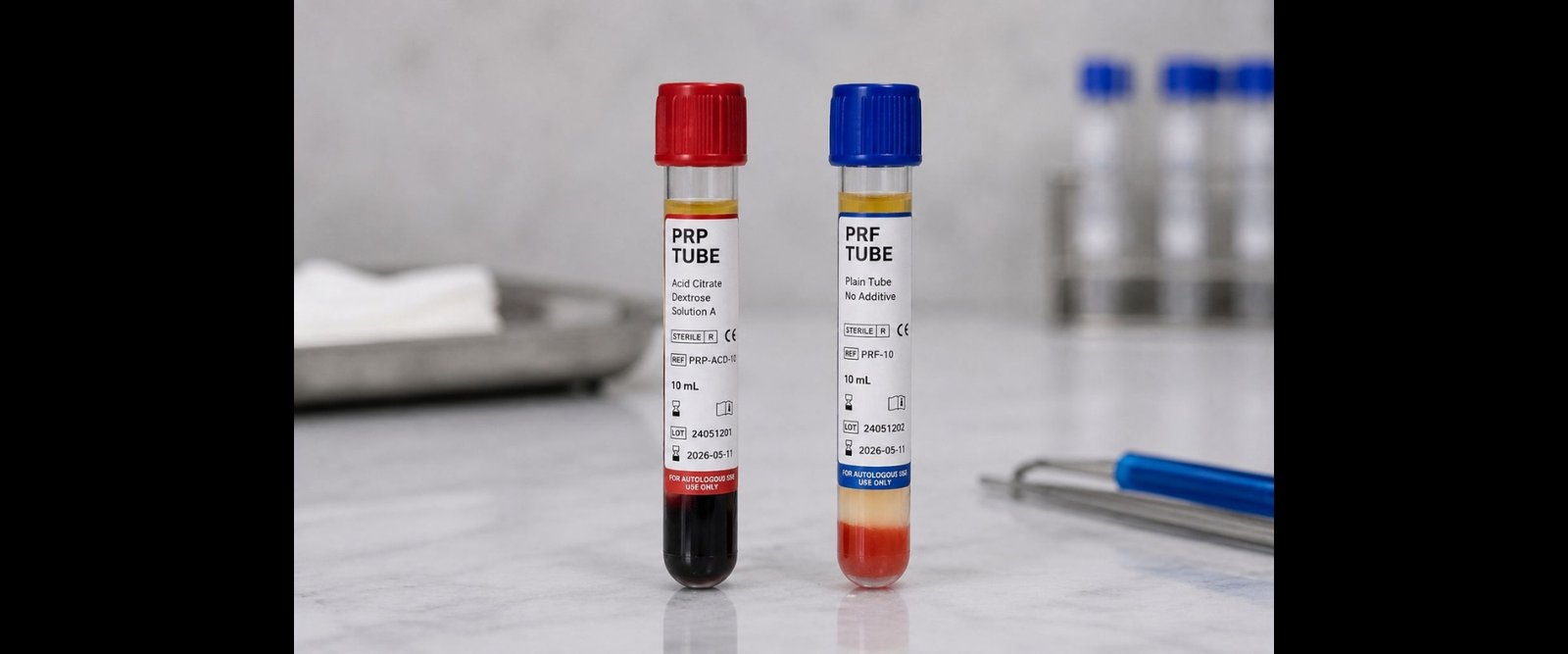
PRF EZ Gel Biofiller is frequently marketed in ways that overstate what it does. Claims of long-lasting structural volume, permanent regeneration, or results comparable to dermal fillers aren’t supported by the current evidence. The published literature on plasma gel treatments is still relatively limited, and most studies are small and early in their design.
What we can say with reasonable confidence: PRF Biofiller improves subtle hollowing and early volume loss in suitable patients, delivers some regenerative stimulus through the PRF component, and does so without synthetic material. Results are real but modest, and maintenance is part of the treatment.
We think patients deserve to know that before they book. The consultation is where we work out whether this treatment makes sense for you, and if something else would work better, we’ll recommend that instead.

MBBS | MSc Plastic & Reconstructive Surgery (UCL) | PGDip Bioethics (UNESCO Chair)
There is no universal best treatment. Discrete tethered dimples may be suited to subcision, diffuse cellulite with laxity may be better suited to RF, and selected fibrotic/adipose patterns may lead us to consider PBSerum or Sunekos Cell 15. The morphology matters more than the marketing name.
Randomised-trial evidence reviewed in recent systematic research shows promising improvements with radiofrequency. Results vary between technologies and protocols, so we do not extrapolate one device’s results to every RF platform or promise permanent removal.
Sectum uses temperature-controlled bipolar radiofrequency. In selected cellulite patients, we use it principally to improve the firmness and quality of the surrounding tissue, particularly where laxity is contributing to the surface appearance.
Subcision mechanically releases selected fibrous tethers and can produce durable improvement in appropriately selected depressions. It does not prevent new or untreated cellulite from becoming visible elsewhere and cannot correct every component of cellulite.
For cellulite associated with localised fatty fibrosis, the relevant PBSerum injectable formulation contains Collagenase G/H PB220, Lipase PB500 and Lyase PB72K. It is selected for the tissue pattern rather than simply for the visual severity of cellulite.
That description is too simplistic. The relevant formulation combines enzymes directed towards fibrotic collagen, lipid-related tissue and extracellular-matrix characteristics. It is used as a recombinant enzyme tissue-remodelling approach in selected patterns, not as a generic answer to all body fat.
No. The collagenase clostridium histolyticum-aaes studied in large cellulite trials is a different product. Those trial results should not be presented as direct proof of PBSerum outcomes.
Sunekos Cell 15 combines low-molecular-weight hyaluronic acid, six amino acids and an alkaline buffer. A 2026 prospective multicentre study reported promising improvement, particularly in more fibrotic stages of cellulite, although larger independent controlled studies are still needed.
Sunekos Cell 15 is specifically designed around cellulite and its fibrotic extracellular-matrix component. Sunekos Body is more relevant to body skin quality, laxity and stretch marks. They are not interchangeable simply because both are used on the body.
Potentially. This can be rational where individual tethered dimples coexist with broader skin laxity. The treatments address different components and may be deliberately staged.
Weight loss may alter the appearance of an area when excess adipose tissue contributes to its contour, but it does not selectively release fibrous septa. Cellulite is common in lean people.
VASER-assisted liposuction is primarily a fat-reduction and body-contouring procedure, not a direct cellulite treatment. If significant localised adiposity is the main concern, we may refer for surgical body-contouring assessment and consider the cellulite separately.
Cellulite is generally a cosmetic surface contour change. Pain, easy bruising, disproportionate symmetrical limb enlargement, heaviness or significant swelling can suggest a different problem and should prompt appropriate assessment rather than assuming it is ordinary cellulite.
There is no credible single number for every modality and every patient. The treatment course depends on the dominant anatomical component, severity, area, procedure selected and response. Your plan is reviewed rather than sold as a fixed guarantee.
Complete removal cannot be guaranteed. Our goal is a meaningful improvement in the component that can reasonably be treated while keeping expectations anatomically realistic.
Cellulite is common, lipoedema is often misunderstood. Neither should be dismissed – but both demand honest, evidence-based solutions, not marketing gimmicks.
We use cookies to make your visit smooth, personal, and joy-filled. Hit "Accept" to keep things sweet, or tweak your settings to suit your taste.