No products in the cart.

Please, enable Wishlist.

No products in the cart.

Under Eyes | PRP | Dr Hans Clinics

PRP / PRF Under Eyes (+/- Microneedling) - Autologous Regenerative Therapies

PRP Under Eyes London - PRF Treatment for Under-Eye Rejuvenation

From £250 per session

The under-eye region is one of the first areas to show fatigue and collagen loss.

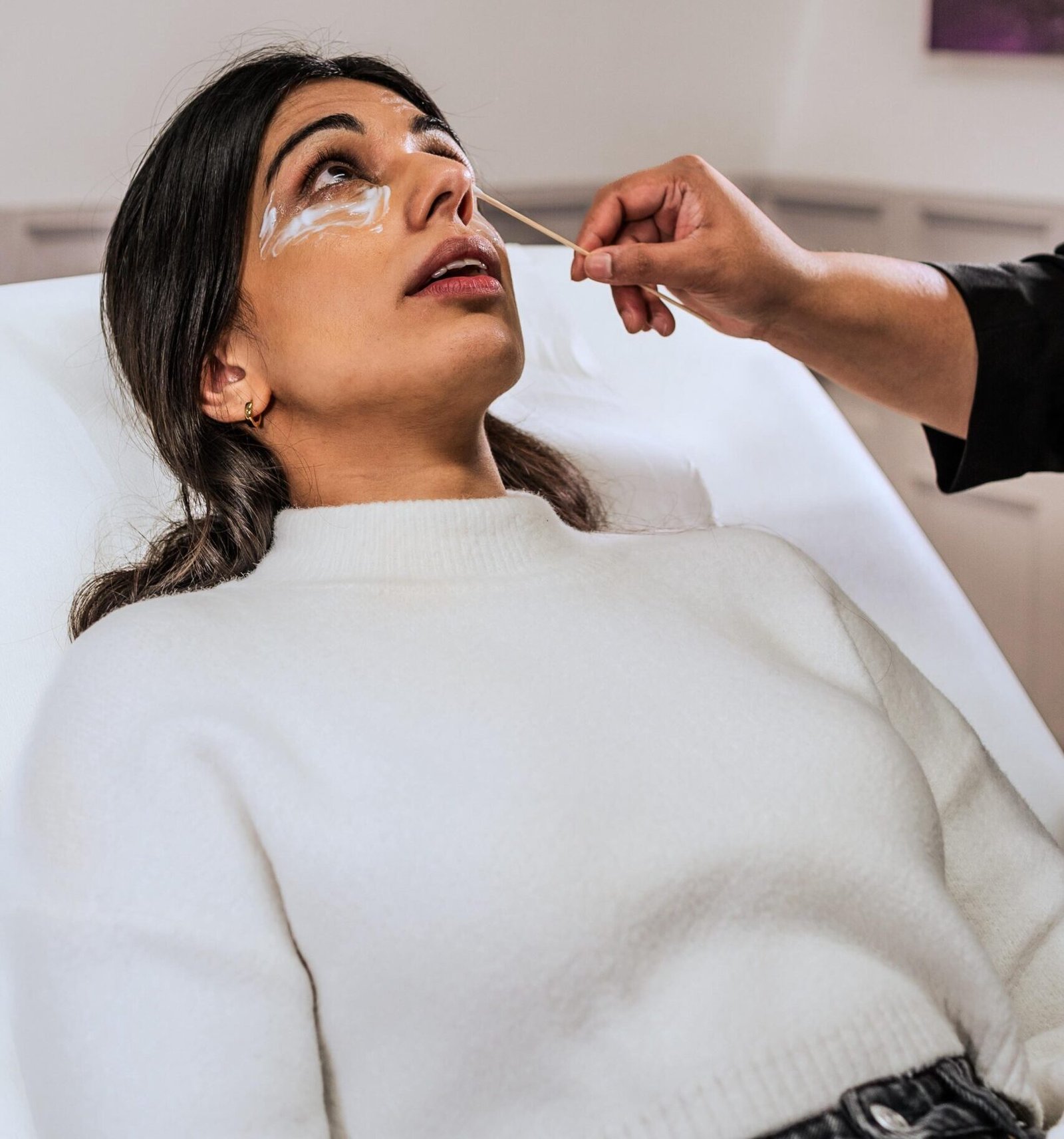
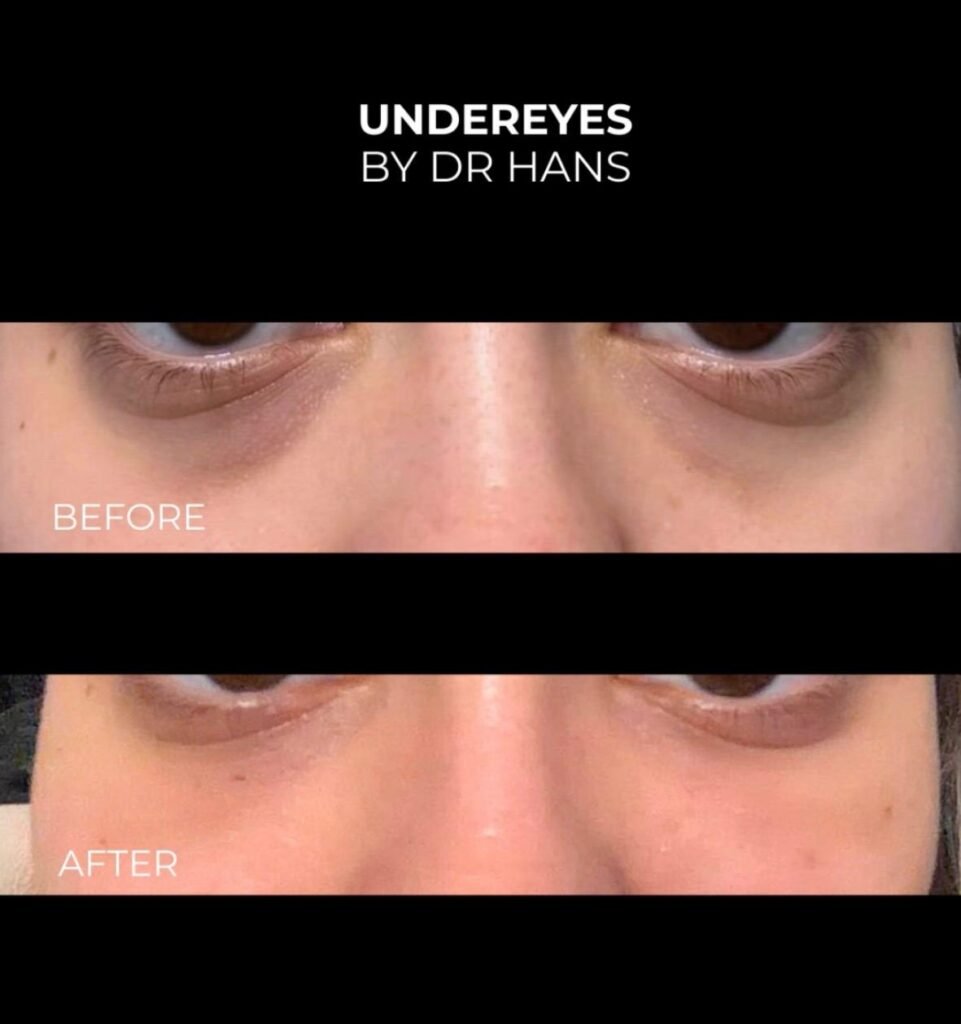
At Dr Hans Clinics, we use autologous platelet concentrates; PRP or PRF to improve skin quality and hydration beneath the eyes, without altering facial structure or expression.

Treatments are offered only after a doctor-led consultation to ensure safety and suitability.

Need Help!

Call us on +02035767676

Why Patients Choose This Approach

● Doctor-performed injections using sterile techniques using a fine gauge needle or a cannula.

● Individualised concentration and placement – no standardised “tear trough filler” dosing.

● Documented improvement in dermal quality via Quantificare imaging.

Honest guidance: Results vary and are subtle, not filler-like or instant.

How It Works

● A small amount of blood is drawn and centrifuged to isolate platelet-rich plasma (PRP) or fibrin (PRF).

● Platelets release growth factors that signal fibroblasts to remodel collagen and support micro-circulation.

● The plasma is gently injected into the periorbital skin or used post-microneedling, depending on indication.

Evidence Summary

● Clinical studies show improvement in fine lines and crepiness with PRP around the eyes; pigmentation outcomes are variable.

● PRF may provide a more sustained release of growth factors compared to PRP, though data remain limited.

● Mechanistically supported by platelet-derived factors (PDGF, TGF-β, VEGF) that enhance dermal matrix turnover.

Indications We May Consider

● Crepiness or fine lines in the lower eyelid area.

● Mild pigmentation or dullness related to dermal thinning.

● Early hollowing where filler may be unsafe or unnecessary.

When we may not recommend it:

● Advanced fat-pad prolapse or deep hollows – better addressed surgically or with structural fillers.

● Expectation of instant brightening – pigment changes are variable and gradual.

Safety & Downtime

● Mild swelling or redness for 24 – 48 h; makeup may be worn the next day.

● Bruising risk is minimal with cannula technique.

Not suitable for : Pregnancy, breastfeeding, recent isotretinoin, bleeding disorders, or skin infection.

What to Expect

1 – 2 weeks: Skin feels more hydrated.

4 – 8 weeks: Improvement in texture and fine lines.

3 – 6 months: Review and consider maintenance if beneficial.

Alternatives We May Discuss

● Polynucleotides (PDRN/PN) – for cellular regeneration.

● Biofiller or hyaluronic/ amino acid skin boosters – if structure or hydration needs more support.

● Tixel or microneedling – for tightening or pigmentation irregularities.

FAQ'S

What is PRP under-eyes?

Your own platelets concentrated and injected under the eyes to stimulate collagen and improve skin quality.

Either cannula or micro-droplet injections, chosen based on safety and anatomy.

Usually 3, spaced 4–6 weeks apart.

Best for crepiness/texture; pigmentation-related dark circles need other treatments.

Yes, when performed by a trained doctor under sterile conditions. Risks include swelling, bruising, rarely infection.

Important Information

● This information is educational and not a substitute for medical advice.

● Treatment is only offered after a consultation with a qualified clinician.

● We do not promote prescription-only medicines directly to the public.

PRP vs PRF – What’s the Difference?

Both PRP (Platelet-Rich Plasma) and PRF (Platelet-Rich Fibrin) are autologous (from your own blood) and aim to deliver platelets, growth factors, and regenerative cells into the skin or scalp.

PRP (Platelet-Rich Plasma)

  • Prepared with anticoagulant and higher centrifuge speeds.
  • Produces a clear plasma with concentrated platelets.
  • Growth factors are released rapidly after injection.
  • Evidence: widely studied in skin and hair; reviews show modest but reproducible improvements in texture, fine lines, and hair density in suitable patients.

PRF (Platelet-Rich Fibrin)

  • No anticoagulant; spun at lower speeds.
  • Forms a fibrin matrix that traps platelets, leukocytes, and circulating stem-cell-like cells.
  • Growth factors are released more slowly and over a longer period.
  • Evidence: early studies suggest PRF may provide a more sustained regenerative effect compared with PRP, but long-term head-to-head trials are still limited.

Which is better?

  • Current evidence suggests PRP remains the most established with the largest body of clinical research, especially for skin and hair.
  • PRF is emerging and biologically plausible for sustained release, but published human studies are fewer and results vary.
  • Choice depends on your treatment goals, tissue quality, and clinician recommendation – both are offered at the same price in our clinic.

Brighten, don’t just fill.

Book your under-eye consultation to see if autologous PRP or PRF is right for you.

error: Content is protected !!