No products in the cart.

polynucleotides | Dr Hans Clinics London | Scar Free

Polynucleotides (PN / PDRN) - Skin Booster

Polynucleotides Treatment London (PN / PDRN) - Dr Hans Clinics

From £280 - £400 per session

At Dr Hans Clinics London, polynucleotides — also referred to as PN or PDRN injections; are used for patients whose main concern is skin quality rather than volume. The skin has lost some of its density and repair capacity, fine lines have started appearing in areas that feel thinner, or there’s a general dullness that nothing topical seems to shift. Polynucleotides work at a cellular level to address exactly that.

Most people who come in asking about polynucleotide treatment in London aren’t looking for a dramatic transformation. They want the skin to feel and function better, less fatigued around the eyes, more resilient overall, less reactive. That’s the kind of improvement this treatment is designed to deliver, and it’s different in character from what fillers or skin boosters do.

Need Help!

What Are Polynucleotides?

Polynucleotides are highly purified chains of DNA fragments, derived from salmon DNA and processed to remove any allergenic proteins. They’ve been used in regenerative medicine for some years, and the evidence base for their use in aesthetic skin treatment is now reasonably well established, particularly for the periorbital area and scar tissue.

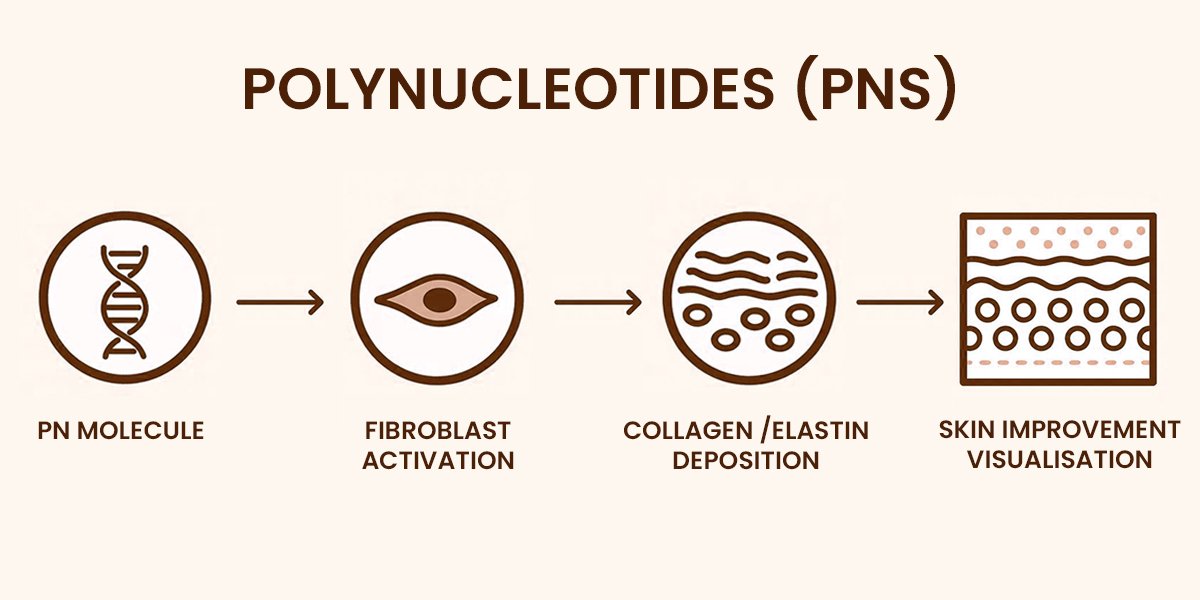
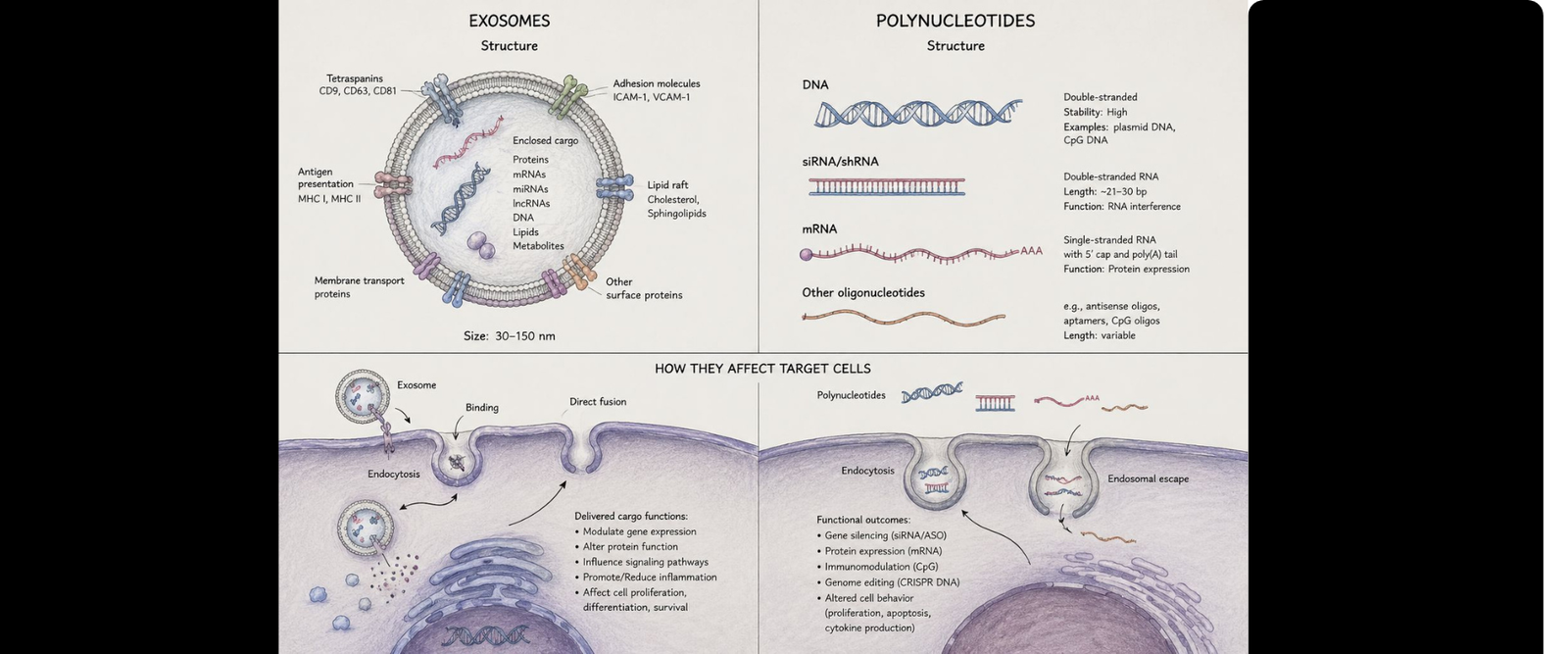
The name sounds complicated, but the principle is straightforward. When injected into the skin, PN and PDRN molecules bind to adenosine receptors in the tissue. That interaction triggers a cascade of responses, inflammation is calmed, fibroblasts are activated, collagen and hyaluronic acid production increases, and the local blood supply improves. The result is skin that repairs itself more effectively and, over time, looks and feels structurally better.

At Dr Hans Clinics, we use two products: Plinest® by Mastelli, which is the original patented polynucleotide injectable with the longest clinical record, and Croma Phil®, a newer CE-marked PN product. Which one is used depends on the area being treated and what we’re trying to achieve.

PN vs PDRN — What the Difference Actually Is?

The terms polynucleotides and PDRN are sometimes used interchangeably, and sometimes as if they’re meaningfully different things. The reality sits somewhere in between.

PDRN (Polydeoxyribonucleotide) refers to shorter-chain DNA fragments. PN (Polynucleotides) refers to longer chains. Both come from salmon DNA, both work through similar mechanisms, and in clinical practice the distinction matters less than the quality and purity of the product being used. What does matter is that the product is properly purified, CE-marked, and administered by someone who understands the anatomy of the area being treated.

We don’t get too caught up in the PN versus PDRN debate with patients, because the practical difference at the treatment level is small. What we do pay attention to is using products with a strong clinical record and clear regulatory status.

What Polynucleotides Actually Change?

The change is gradual, and that’s part of how the treatment works.

Polynucleotides don’t add volume in the way dermal fillers do. There’s no immediate plumping effect, and patients who come in expecting that are likely to be disappointed. What they do instead is improve the skin’s internal environment, reducing chronic low-grade inflammation, stimulating the cells responsible for collagen and elastin production, and improving the tissue’s capacity to hold hydration.

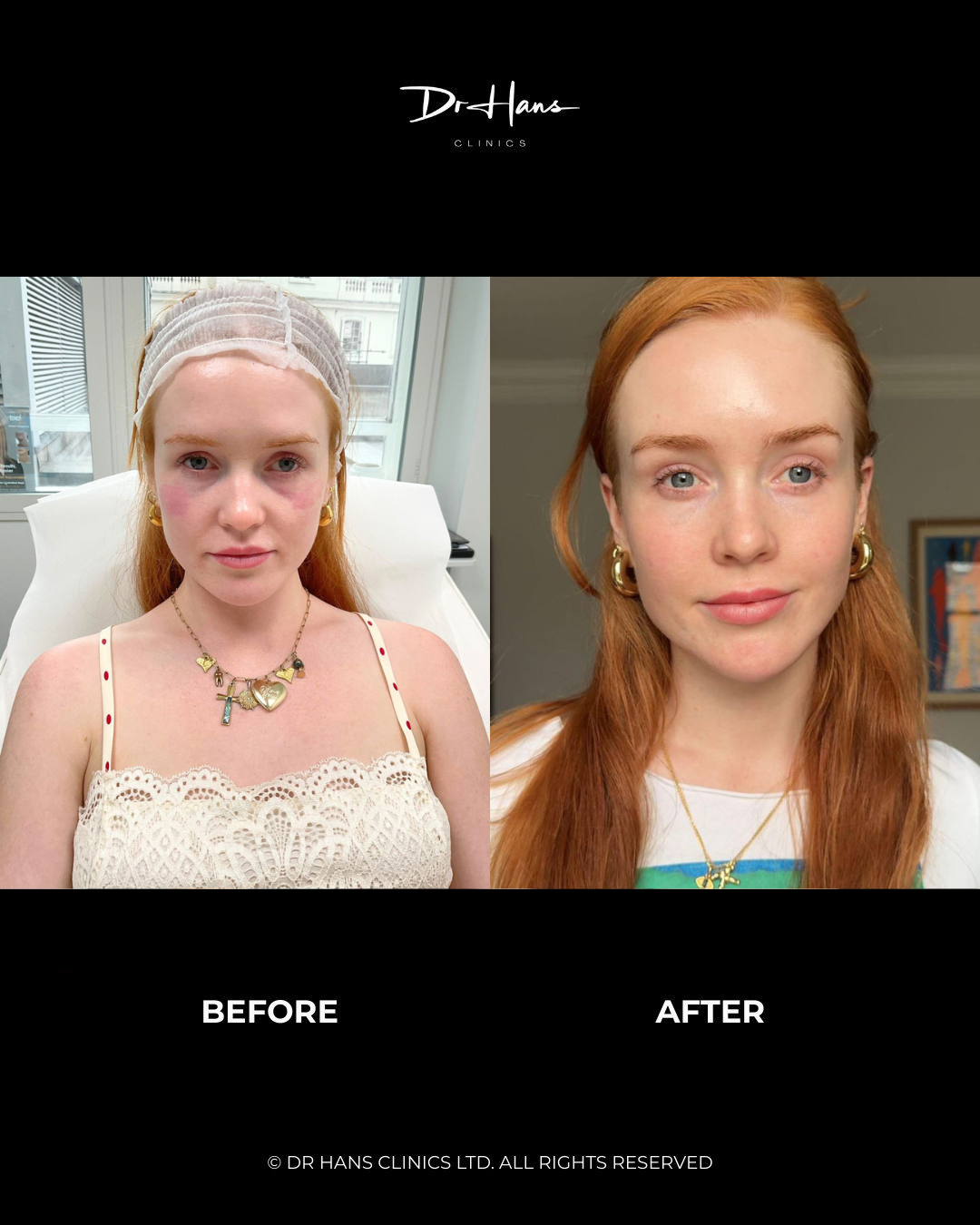
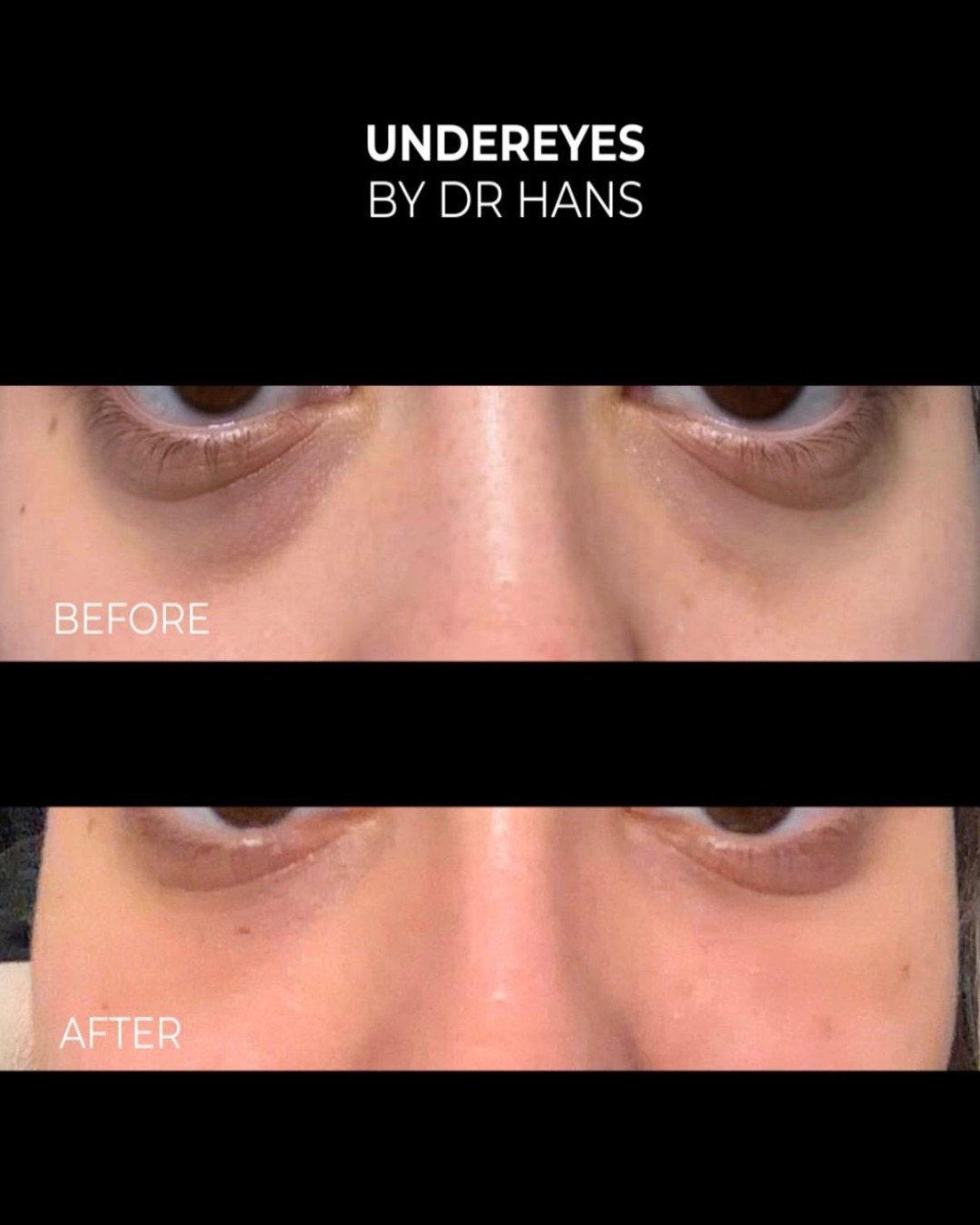
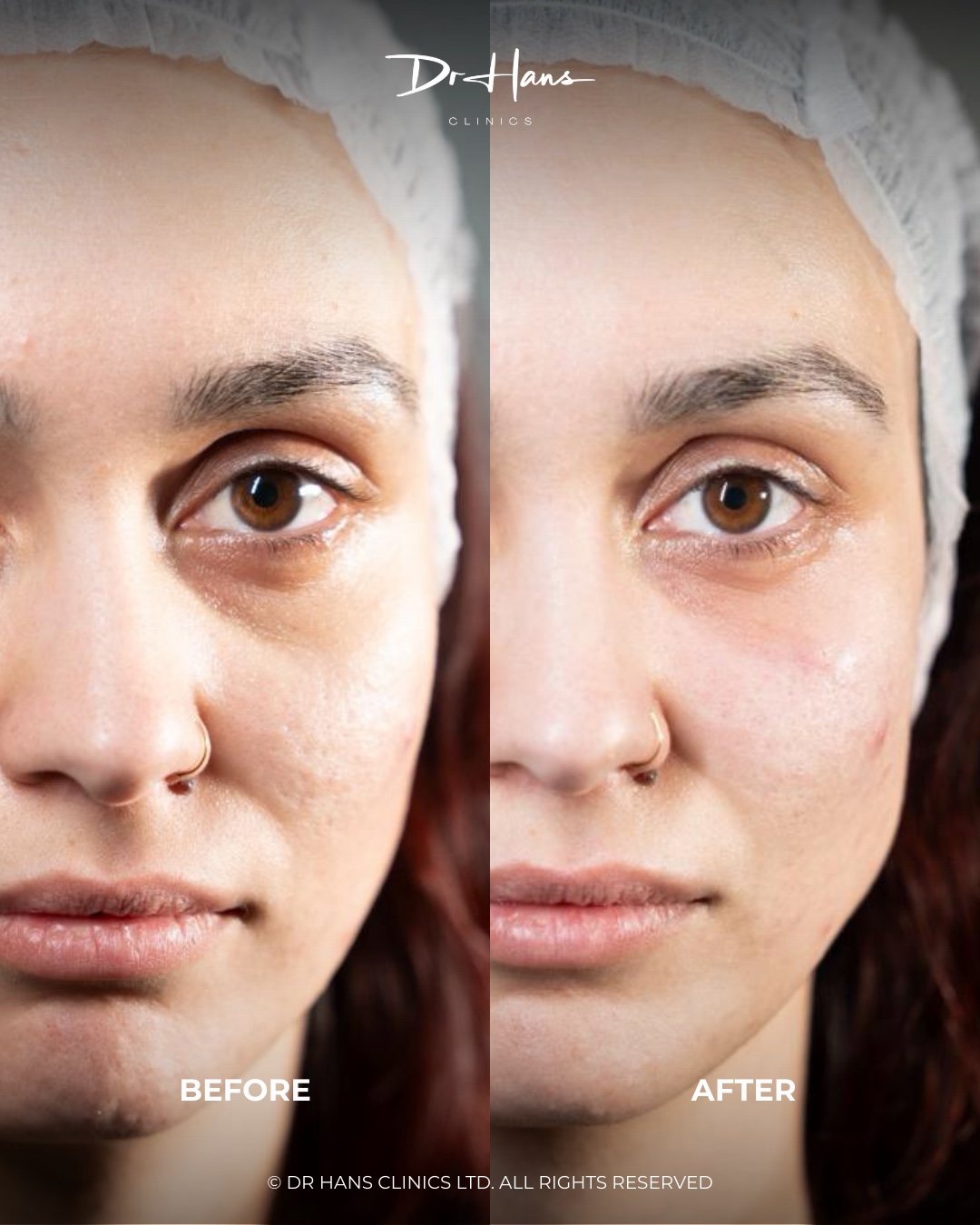
Over the course of a treatment programme, patients typically notice the skin looking less tired, feeling more hydrated without feeling heavy, and showing a general improvement in texture. Under the eyes is often where the change is most noticeable, the hollowing looks less pronounced, the skin feels less paper-thin, and dark circles related to poor tissue quality tend to improve. It’s a qualitative shift rather than a structural one.

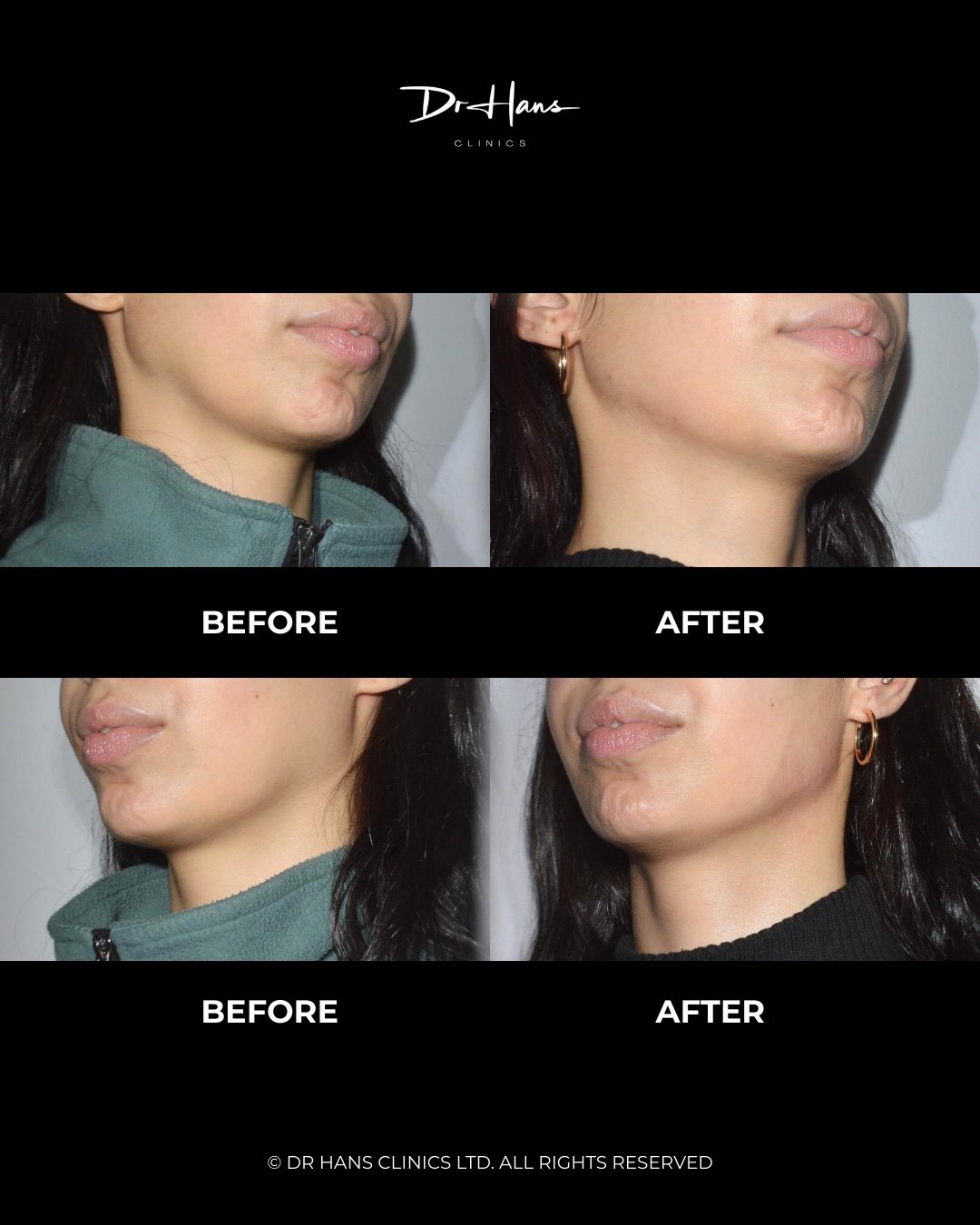
Polynucleotide injections are also used effectively on scars; acne scars, trauma scars, and post-surgical scarring, where the tissue repair and anti-inflammatory properties help to remodel the scar bed over time. Results here vary depending on the age and depth of the scar, but the treatment has a reasonable evidence base for this application.

Where Polynucleotides Can Be Used

The treatment can be applied to a number of areas, though the approach and product used varies depending on what’s being treated:

Under the eyes and tear troughs: The most common area, and the one with the strongest evidence. Hollowing, dark circles, and fine periorbital lines all tend to respond well to PN injections.

Face: General skin rejuvenation, pigmentation, fine lines, and overall tissue quality improvement.

Neck: Laxity, crepey texture, and fine lines in the neck respond to polynucleotides, often better than to purely volumising treatments.

Scars: Acne, trauma, and post-surgical scars. We use polynucleotides here both as a standalone treatment and combined with microneedling for enhanced delivery.

Body: Stretch marks and areas of skin laxity where the concern is texture and quality rather than volume.

As a post-treatment recovery booster: Applied after energy-based devices, polynucleotides can support faster tissue recovery and improve the outcome of the primary treatment (+£150).

Where we don’t use polynucleotides is in areas where the primary need is structural volume or significant lift, that’s not what they’re designed for, and we won’t position them as a substitute for treatments that would actually work better.

Who Is This Treatment For?

Polynucleotide injections suit patients who are dealing with changes in skin quality; thinning, dullness, fine lines that come from the skin being less able to repair itself, rather than structural volume loss. It works well for patients who prefer a regenerative approach, who don’t want fillers, or who want to improve the baseline quality of the skin before or alongside other treatments.

It’s also a good option for patients with sensitive, reactive skin. The anti-inflammatory mechanism of polynucleotides means it tends to calm the skin rather than aggravate it, which makes it suitable in situations where other injectables might not be ideal. Younger patients in their late twenties and thirties sometimes use it as a preventative measure, maintaining the skin’s repair capacity before the visible signs of ageing become pronounced. Older patients use it to restore some of what has already been lost. Both are valid applications.

Not suitable for: patients with known fish allergies (given the salmon DNA origin), active skin infection, autoimmune conditions, or those who are pregnant or breastfeeding. We go through this at consultation.

What to Expect — The Procedure

Sessions typically take between 30 and 45 minutes. A topical numbing cream is applied beforehand, and most patients find the injections themselves fairly comfortable, there’s a mild pressure sensation and occasional brief sharpness depending on the area, but nothing most people find difficult.

The product is injected in small amounts across the treatment area using a fine needle or cannula depending on the zone. The skin may look slightly pink and feel tender for a day or two afterwards. Some patients get a little localised swelling, particularly around the eye area, which settles within 48 hours. Most people go straight back to their normal day.

Keeping things gentle for the rest of the day is sensible, nothing strenuous, no sauna, no alcohol. SPF the next morning and for the following days while the skin settles.

How Many Sessions Are Needed?

A course of three to four sessions is standard, spaced roughly four weeks apart. The regenerative process takes time, polynucleotide treatment isn’t something where results appear after one visit. The tissue needs repeated stimulus to build and sustain the improvement.

After an initial course, most patients move to maintenance every four to six months depending on how their skin responds and how they want to manage results over time. Some patients find a single top-up session once or twice a year is enough after completing the initial programme. Others prefer more regular treatment. It depends on the individual and what they’re trying to maintain.

Pricing

Eyes (tear troughs / periorbital) — £280 per session | £790 for a course of 3

Face — £350 per session | £1,000 for a course of 3

Neck — £300 per session | £850 for a course of 3

Scars — £280 per session | £790 for a course of 3

Body — £400 per session | £1,150 for a course of 3

Microneedling add-on — +£150 per single session | +£100 per session within a package

Pricing is confirmed at consultation depending on the areas being treated and whether combination approaches are being considered. If one area is all that’s needed, we’ll say that. If combining treatments would give a better outcome, we’ll explain the rationale.
PN molecule
Fibroblast activation
Collagen / Elastin deposition
Skin improvement visualisation

FAQ'S

Are polynucleotides fillers?

No, they don’t add volume. They regenerate skin quality and structure.

Usually 3 – 4 spaced monthly, then maintenance.

Yes. PNs are highly purified, biocompatible, and CE-certified.

Polynucleotides at Dr Hans Clinics, London

Polynucleotide treatment sits within a broader approach to skin quality at the clinic. For some patients it’s the main treatment. For others it works alongside energy-based devices, PRF, or skin boosters as part of a longer-term programme. The starting point is always the same, a proper assessment of what the skin actually needs, and an honest conversation about what polynucleotides can and can’t do.

They’re not a miracle treatment and we won’t present them as one. But for the right patient, with realistic expectations and a commitment to a proper course, the results can be genuinely meaningful, skin that looks less tired, heals better, and holds its quality for longer.

Book a consultation to find out if Polynucleotides are right for your eyes, scars, or skin.

Book Your Consultation

error: Content is protected !!