No products in the cart.

Facial Fat Transfer in London with SEFFILLER

A small-volume autologous fat transfer procedure using tissue collected from your own body.

- From £300 per session

Duration

45-60 minutes

Sessions

1/3

Solid black image with no visible content

Price

£300 - £850

Downtime

Mild swelling

Key Benefits

Uses your own fat for natural volume restoration
Improves skin quality, texture, and elasticity
Restores youthful facial contours
Long-lasting, natural-looking results
No synthetic fillers or foreign substances
Supports collagen production and tissue regeneration
Combines adipose-derived regenerative cells with structural fat grafting
Can treat multiple areas in a single procedure
Minimal scarring with minimally invasive fat harvesting

Target Areas

Face Volume Loss
Cheeks & Mid-Face
Temples
Under-Eye Hollowing
Jawline Definition
Nasolabial Folds
Marionette Lines
Hands Rejuvenation

Small-volume fat transfer using your own adipose tissue

SEFFILLER is a small-volume facial fat transfer procedure that uses a carefully collected amount of your own superficial adipose tissue.

The tissue is taken from a suitable donor area, prepared using the SEFFILLER system, and transferred to selected areas of the face.

Unlike dermal fillers, the treatment does not use a manufactured injectable gel. Unlike conventional facial fat grafting, it is designed around a relatively small, targeted harvest rather than larger-volume liposuction.

The result is a different approach to facial treatment: one that uses your own tissue and may be considered where selected volume loss, changes in soft tissue, or both contribute to the concern.

It is not intended to make every face fuller.
It is not a replacement for surgery.
And it is not a so-called “stem-cell facelift”

SEFFILLER AT A GLANCE

Treatment type
Small-volume autologous fat transfer
What is used
Your own prepared adipose tissue
Typical donor area
A suitable area of the abdomen, hip or outer thigh
Anaesthesia
Local anaesthetic is used in the standard protocol
Treatment approach
Small-volume harvest, preparation and targeted transfer
Main treatment goals
Selected facial volume loss and potential changes in tissue quality
Recovery
Swelling, bruising and tenderness can occur at both the donor and treated areas
Results
Develop as swelling settles and the transferred tissue stabilises
Consultation
Required to assess facial anatomy, donor-site suitability and treatment goals

A DIFFERENT APPROACH TO FACIAL VOLUME

Facial ageing is not simply a matter of losing collagen.
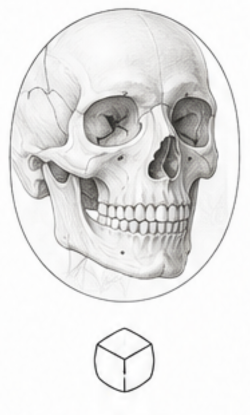
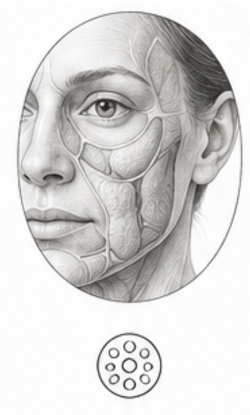
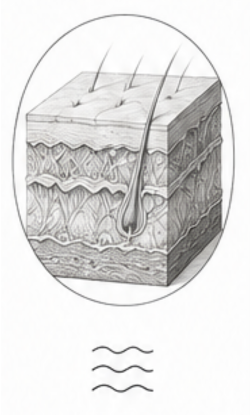
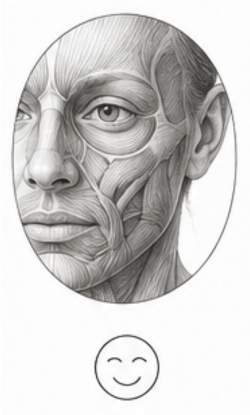
Over time, the face changes at several levels. Bone remodels. Fat compartments change. Soft tissues shift. Skin becomes thinner and behaves differently. (add image, make original image using ai or some software so can be cited)
For some people, the most noticeable change is a loss of volume.
The temples may appear more hollow. The transition between the lower eyelid and cheek may become more pronounced. The cheeks may look flatter. Weight loss may make the face appear more angular or depleted.
There are several ways to approach these changes.
Hyaluronic acid fillers or CaHa Fillers add a manufactured injectable material.
Biostimulators are used to produce a gradual tissue response.
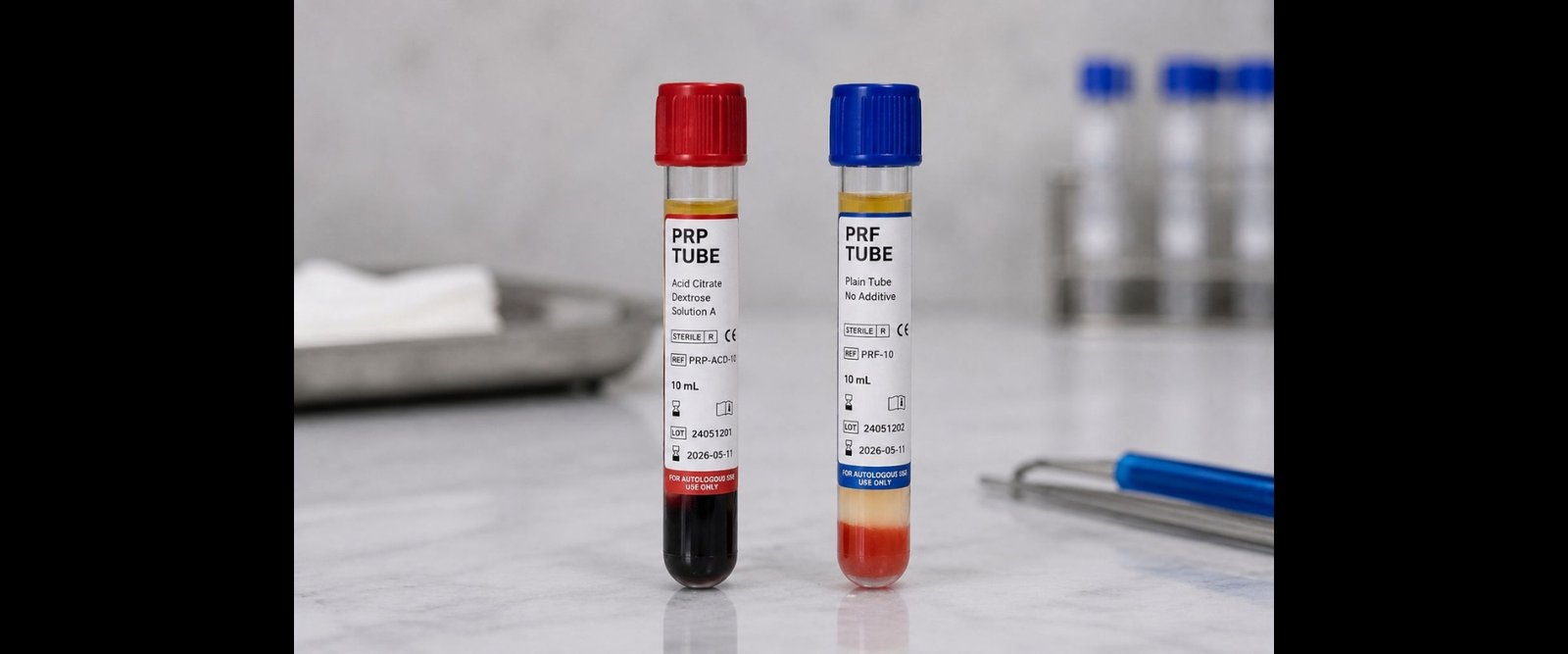
PRP and PRF are prepared from blood.
SEFFILLER uses adipose tissue collected from the same patient.
That does not make it universally better. It makes it biologically and practically different.

WHAT SEFFILLER IS

SEFFILLER is a medical device system designed to assist the guided harvesting, preparation and autologous transfer of microfragmented subcutaneous adipose tissue.
YOUR OWN TISSUE
A small amount of superficial fat is collected from a suitable donor area.
GENTLE PREPARATION
The harvested tissue is washed and prepared according to the treatment protocol.
TARGETED TRANSFER
The prepared tissue is placed into selected areas in the same patient.
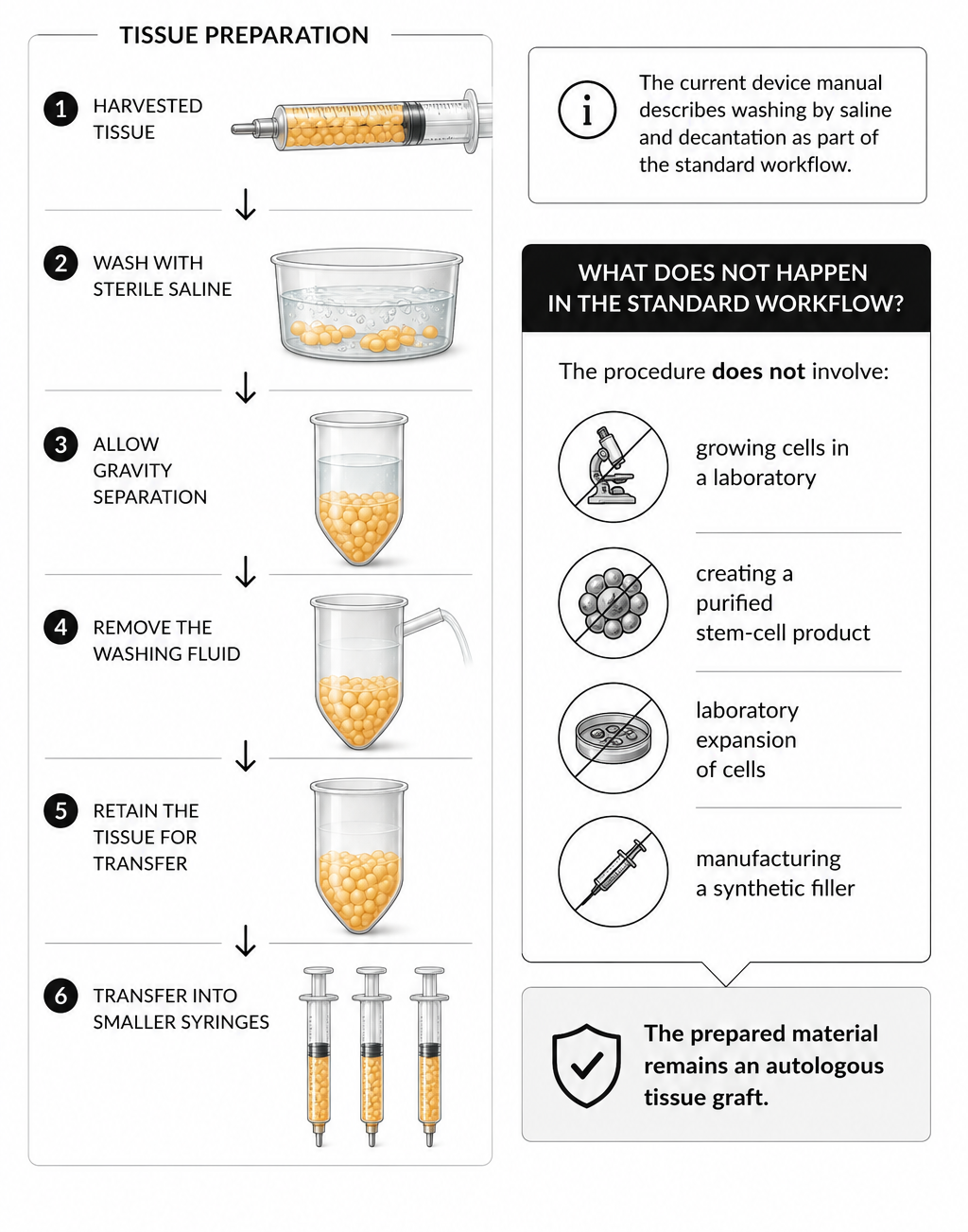
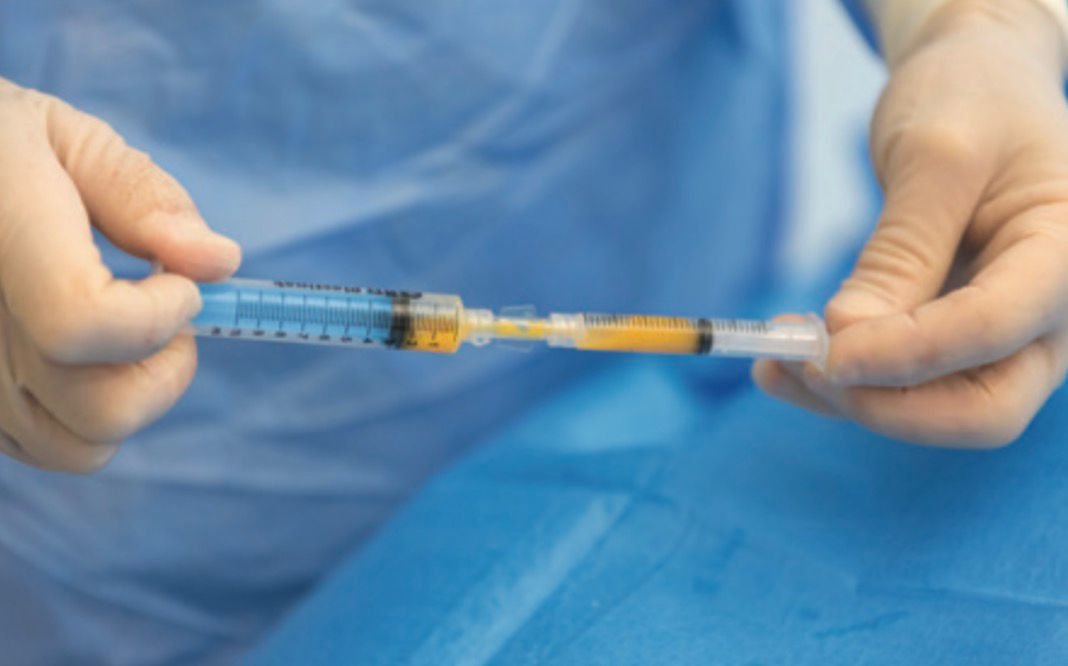
The standard SEFFILLER workflow uses a guided cannula and syringe system for the harvest. The tissue is washed using sterile saline and separated by gravity before being transferred into smaller syringes for grafting.
The procedure developed from the published SEFFI technique, or Superficial Enhanced Fluid Fat Injection, which has been studied in facial ageing and volume restoration.

MORE THAN VOLUME ALONE

Fat is often treated as though it is simply padding.
Biologically, it is much more complex.
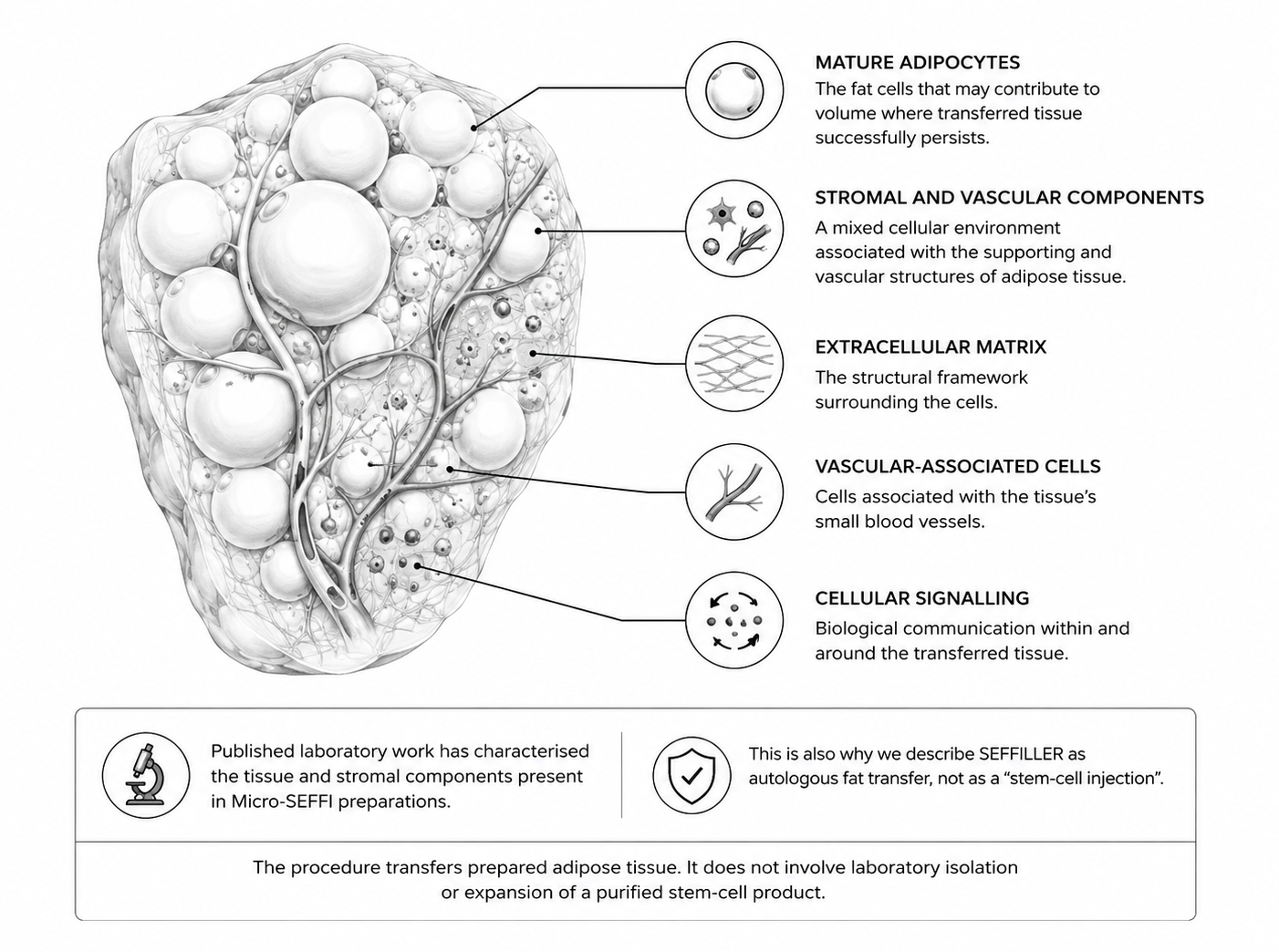
Adipose tissue contains mature fat cells within a wider structural and cellular environment. This includes connective tissue, extracellular matrix, small blood vessels and mixed stromal and vascular cell populations.
This matters because the treatment is not simply placing an inert substance beneath the skin.
The transferred material is tissue.

WHAT IS PRESENT WITHIN ADIPOSE TISSUE

Diagram of adipose tissue highlighting five components: adipocytes, stromal/vascular elements, extracellular matrix, vascular-associated cells, and cellular signaling.

Dr Hans Clinics : Protocol and workflow

Comprehensive Consultation & Facial Assessment

Medical History & Suitability Review

Clinical Photography & Facial Analysis

Personalised Treatment Planning

Donor Fat Site Selection

Local Anaesthesia & Fat Harvesting

SEFFILLER® Fat Processing & Microfragmentation

Precision Fat Transfer & Regenerative Cell Injection

Symmetry Assessment & Final Refinement

Post-Treatment Aftercare

Follow-Up Review & Long-Term Maintenance

HOW THE TREATMENT WORKS

The visible outcome of facial fat transfer is not created by one single mechanism.
There are two parts to understand.
VOLUME
Transferred adipose tissue occupies space.
Where appropriate tissue persists after transfer, it may contribute to longer-term volume in the treated area.
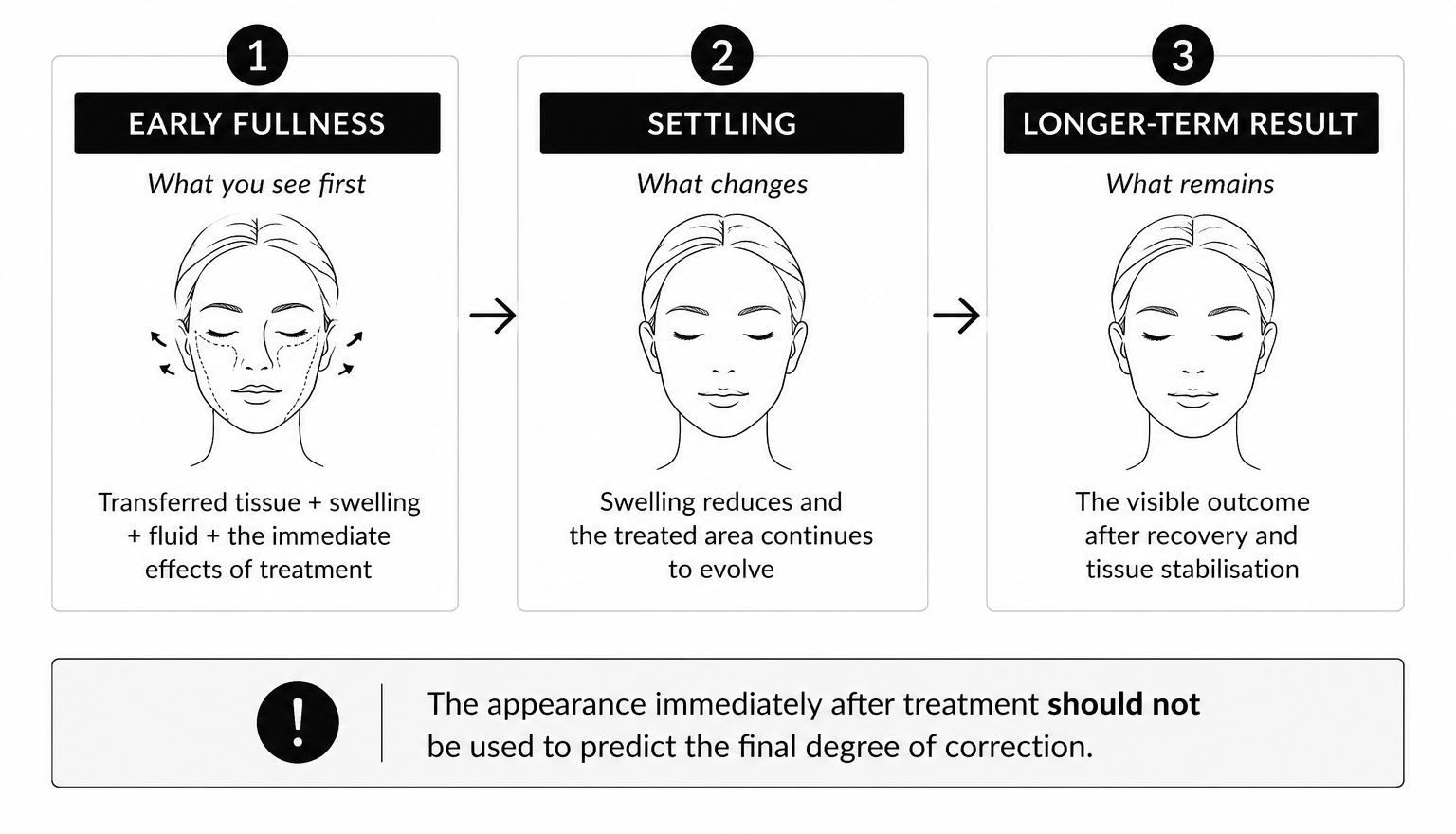
The appearance immediately after treatment is not the final result. Early fullness also includes swelling, tissue fluid and the effects of the procedure.
TISSUE INTERACTION
Adipose tissue also contains cellular and structural components capable of interacting with the surrounding tissue environment.
Research across fat-derived procedures has investigated processes including cellular signalling, vascular responses and extracellular matrix remodelling.
These mechanisms are scientifically interesting and may help explain why changes in tissue quality have been reported after some fat-transfer procedures.
They should not, however, be turned into promises of guaranteed “regeneration”.
The biological rationale is credible. The visible response varies.

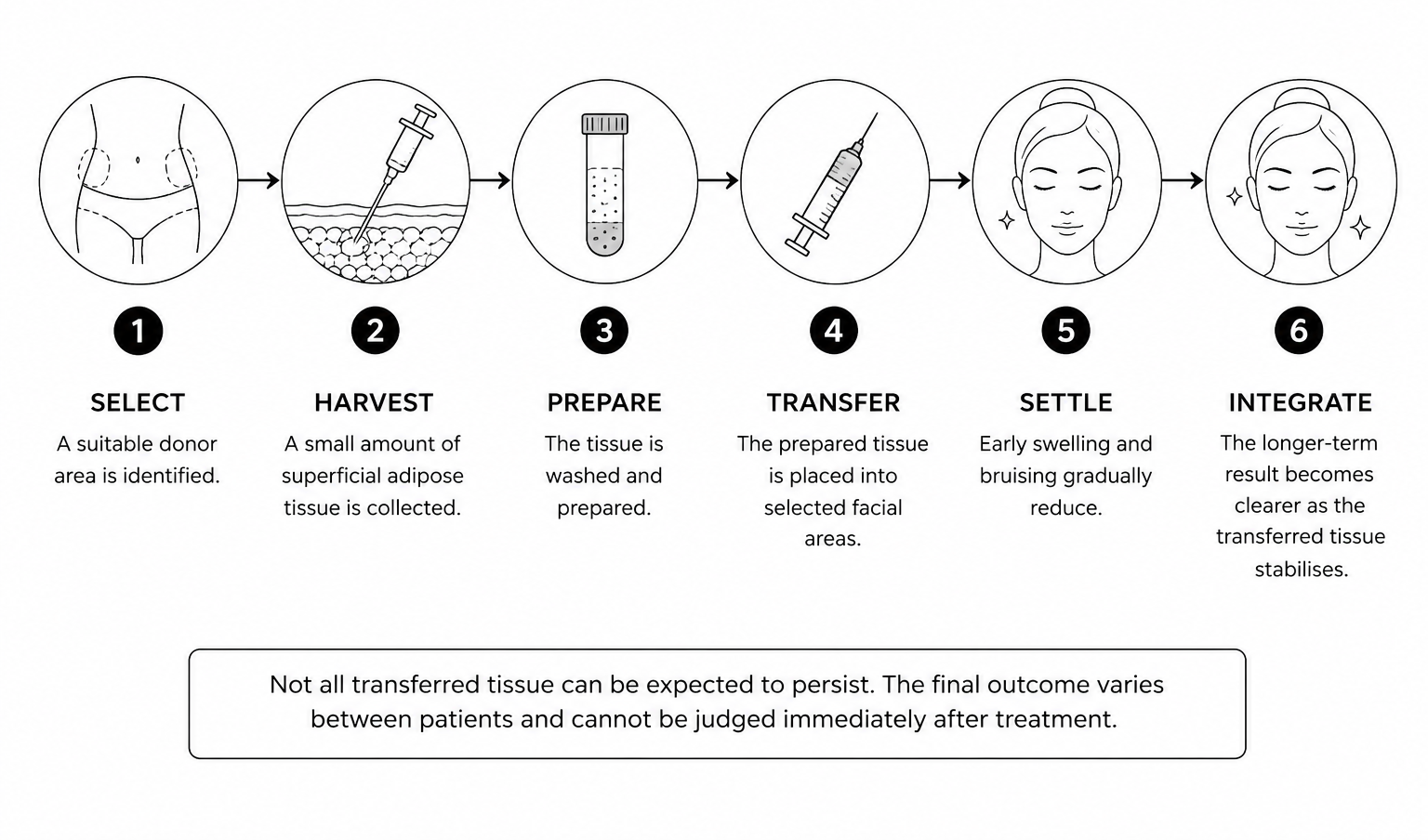
FROM HARVEST TO HEALING

Six-step infographic illustrating tissue graft process from selecting donor area to tissue integration for facial restoration.

WHAT CAN SEFFILLER BE USED FOR?

SEFFILLER may be considered where changes in facial soft tissue and volume contribute to the concern.
The aim is not to fill every line or make the face look fuller. Treatment is planned around the pattern of change, the anatomy beneath it and what a small-volume fat transfer procedure can realistically achieve.

AREAS THAT MAY BE CONSIDERED

UNDER-EYES AND LID-CHEEK JUNCTION
For selected patients with genuine hollowing or loss of soft-tissue support around the transition between the lower eyelid and cheek.
May be considered for:
under-eye hollowing
a pronounced lid-cheek transition
selected periocular volume loss
Important to know
Not every tired-looking under-eye is caused by volume loss. Eye bags, festoons, malar oedema, pigmentation and skin laxity require a different assessment and may not be improved by adding volume.
TEMPLES
For selected patterns of temporal hollowing that contribute to a gaunt or depleted appearance through the upper face.
May be considered for:
age-related temple hollowing
naturally lean temporal anatomy
selected volume loss following weight loss
Important to know
The temple is anatomically complex. The amount of correction required, previous treatments and the surrounding facial proportions all matter.
CHEEKS AND MIDFACE
For selected patients where loss of soft-tissue volume contributes to flattening, hollowing or a more depleted appearance.
May be considered for:
cheek volume loss
selected midface deficiency
submalar hollowing
facial volume loss following weight change
Important to know
Volume and lift are not the same thing. Fat transfer does not reproduce the effect of surgery and is not a solution for every form of tissue descent or skin laxity.
PERIORAL REGION
For selected changes around the mouth where soft-tissue loss is part of the concern.
May be considered for:
selected perioral volume loss
fine tissue changes around the mouth
localised soft-tissue deficiency
Important to know
The mouth is a highly mobile area. Lines around it may be influenced by movement, skin quality, dental and skeletal support, sun exposure and smoking as well as volume.
Published Micro-SEFFI research has included the perioral region, but the treatment should not be presented as a universal solution for lines around the mouth.
SELECTED FACIAL DEPRESSIONS AND SOFT-TISSUE DEFICIENCY
Fat transfer may also be considered for selected areas where localised soft-tissue deficiency contributes to an uneven transition or depression.
The suitability of these areas depends on:
the cause of the deficiency
the depth and extent of the area
previous procedures
the quality of the surrounding tissue
whether the expected correction is appropriate for a small-volume technique
CHANGES IN TISSUE QUALITY
SEFFI techniques have also been studied for changes associated with facial ageing beyond volume alone.
This does not mean that SEFFILLER should be marketed as a treatment that “regenerates the face”.
A more accurate explanation is that fat-derived procedures are being studied for their possible effects on the surrounding tissue environment as well as their role in volume restoration.
Visible changes in tissue quality may occur, but they are variable and cannot be guaranteed.

A FACE SHOULD NOT BE TREATED AS A COLLECTION OF EMPTY SPACES

A hollow temple, a tired under-eye and a flatter cheek may all appear to be problems of lost volume.
They are not necessarily the same problem.
The appearance of the face is influenced by:
STRUCTURE
The underlying bone and skeletal proportions.
SOFT TISSUE
The amount, distribution and position of facial fat and other soft tissues.
SKIN
Thickness, elasticity, pigmentation and surface quality.
MOVEMENT
The repeated action of facial muscles.
TIME
Ageing, weight change, hormones, illness and lifestyle.
SEFFILLER is most relevant when soft-tissue volume loss or deficiency forms a meaningful part of the problem.
If the main concern comes from somewhere else, another treatment may make more sense.

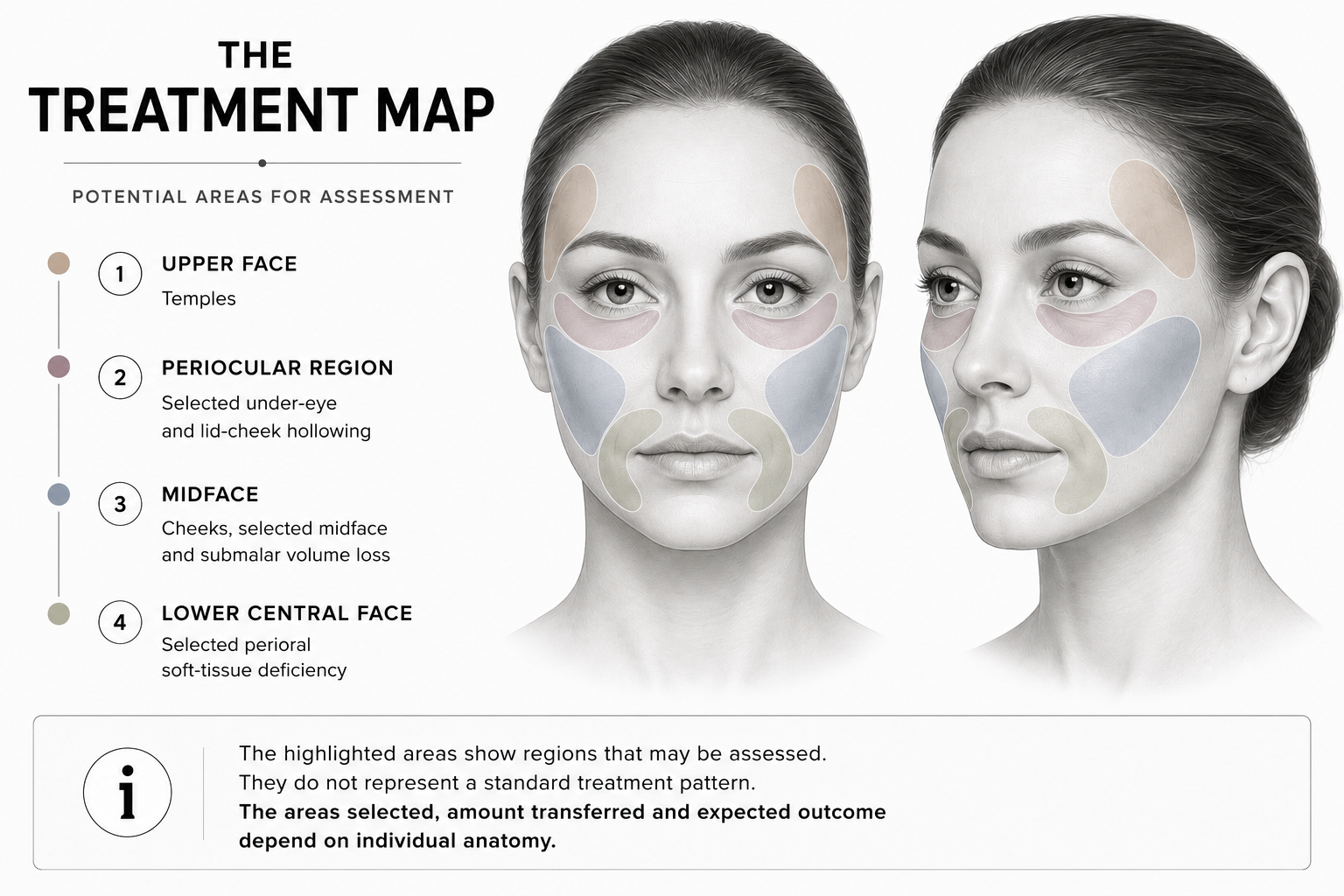
THE TREATMENT MAP

Potential treatment areas are assessed individually during your consultation.
Upper face
Temples
Periocular region
Selected under-eye and lid-cheek hollowing
Midface
Cheeks, selected midface and submalar volume loss
Lower central face
Selected perioral soft-tissue deficiency
The highlighted areas show regions that may be assessed.
They do not represent a standard treatment pattern.
The areas selected, amount transferred and expected outcome depend on individual anatomy.

VOLUME LOSS AFTER WEIGHT LOSS

Significant weight loss can change the face as well as the body.
The cheeks may flatten. The temples may become more hollow. The transition between the lower eyelid and cheek may become more visible. In some patients, the face simply looks more angular. In others, the dominant change is loose or descended tissue rather than a lack of volume.
These are different problems.
SEFFILLER may be considered where selected soft-tissue volume loss is an important part of the concern.
It is less likely to solve a problem caused mainly by:
significant skin laxity
tissue descent
prominent eye bags
ongoing rapid weight loss
unrealistic expectations of restoring a previous face exactly

TIMING MATTERS

If weight is still changing significantly, it may be sensible to delay volume restoration until the pattern of facial change is clearer.
Transferred adipose tissue is living tissue. Longer-term changes in body weight may therefore affect both the face and the appearance of the treated areas.
For patients using weight-management medication or undergoing active weight loss, treatment timing should be considered individually.

WHAT SEFFILLER IS NOT DESIGNED TO CORRECT

SIGNIFICANT LOOSE SKIN
Adding volume does not reproduce surgical skin removal or tissue repositioning.
PROMINENT EYE BAGS OR FESTOONS
These are not simply empty spaces. Adding volume may be unhelpful in the wrong anatomy.
PIGMENTATION
SEFFILLER is not a treatment for melasma, sun spots or pigment-related dark circles.
DYNAMIC EXPRESSION LINES
Lines caused mainly by repeated muscle movement require a different assessment.
A DESIRE FOR PRECISE, REVERSIBLE CORRECTION
Fat transfer does not offer the same immediate measurability or reversibility as a carefully selected hyaluronic acid filler.
EVERY SIGN OF FACIAL AGEING
No single procedure does.

TREAT THE CAUSE, NOT THE LABEL

“Tired eyes.”
“Ozempic face.”
“Sagging cheeks.”
“Deep smile lines.”
These are descriptions, not diagnoses of what has changed anatomically.
Two patients can use exactly the same words and require completely different treatment plans.
That is why the purpose of assessment is not to find somewhere to put fat.
It is to decide:
What has changed?
Is volume actually missing?
Would replacing it improve the face?
Is fat transfer the right way to do it?
Sometimes the answer will be yes.
Sometimes another treatment will offer more control.
Sometimes the problem is not volume at all.

WHO MAY BE SUITABLE FOR SEFFILLER?

SEFFILLER may suit patients who want to explore a small-volume fat transfer procedure and whose concern is genuinely related to facial soft-tissue volume loss or deficiency.
Suitability is not based on age alone.
It depends on three things:
THE FACE
Is volume loss actually part of the problem?
THE DONOR AREA
Is there enough suitable superficial adipose tissue to collect?
THE EXPECTATION
Does the patient understand how fat transfer differs from a precisely measured injectable product?
All three need to make sense.

SEFFILLER MAY BE WORTH CONSIDERING IF…

YOU HAVE GENUINE FACIAL VOLUME LOSS
This may include selected hollowing through the temples, periocular region, cheeks or midface.
The important word is genuine.
A face can look tired, older or less defined for many reasons. Adding volume only makes sense when loss or deficiency of soft tissue is meaningfully contributing to the appearance.
YOU HAVE BECOME MORE HOLLOW AFTER WEIGHT LOSS
Weight loss can alter facial volume as well as body composition.
For some patients, this creates localised hollowing through areas such as the temples or midface. In others, the more noticeable change is skin laxity or tissue descent.
SEFFILLER may be considered when volume loss is a significant part of the problem and the pattern of weight change is sufficiently stable to plan treatment sensibly.
YOU ARE INTERESTED IN USING YOUR OWN TISSUE
Some patients prefer to explore an autologous treatment rather than adding further manufactured injectable material.
SEFFILLER uses adipose tissue collected from and returned to the same patient.
That may be an important preference.
It should not, however, be confused with being:
risk-free
completely predictable
automatically more effective
suitable for every area
better simply because the tissue comes from your own body
Autologous describes where the tissue comes from. It is not a guarantee of outcome.
YOU ACCEPT THAT THE RESULT EVOLVES
Facial fat transfer is not judged like filler immediately after injection.
The early appearance includes swelling and other temporary effects of the procedure. The treated areas then change as recovery progresses.
A suitable patient understands that:
the first few days are not the final result
not all transferred tissue can be expected to persist
the final degree of correction cannot be predicted with absolute precision
further treatment may sometimes be considered
If you want an exact amount of immediately visible correction, another treatment may offer more control.
YOU ACCEPT A DONOR PROCEDURE
SEFFILLER requires tissue to be collected before it can be transferred.
That means recovery involves two sites:
the treated area and the donor area
Bruising, swelling, tenderness and temporary irregularity may occur at either.
This is a more involved process than arriving for a conventional injectable treatment.

THE IDEAL CANDIDATE IS NOT SIMPLY “SOMEONE WHO DOESN’T WANT FILLER”

This deserves its own visual break.
Avoiding dermal filler may be a reason to explore alternatives.
It is not, by itself, an indication for fat transfer.
A patient may dislike filler and still be better suited to:
no volume treatment at all
PRF
a biostimulator
a skin-directed treatment
surgery
observation and no intervention
The treatment should fit the anatomy.
Not the patient’s dislike of another product.

WHEN SEFFILLER MAY NOT BE THE RIGHT CHOICE

The concern Why another approach may be more appropriate
Significant loose or descended tissue
Adding volume does not reproduce surgical repositioning or skin removal
Prominent eye bags or festoons
These are not simply areas of missing volume
Pigmentation as the main concern
Fat transfer is not a pigment treatment
Dynamic expression lines
The primary cause is muscle movement rather than volume loss
A desire for exact, immediately measurable correction
Fat graft persistence is less predictable than placement of a measured injectable product
A need for reversibility
Transferred fat cannot be dissolved in the way hyaluronic acid filler usually can
Ongoing major weight change
Further changes in facial and body composition may alter treatment planning
No suitable donor area
The procedure requires adequate accessible superficial subcutaneous tissue
Unrealistic expectations
No fat-transfer technique can guarantee complete correction, fixed survival or a permanent result

WHAT IF I AM VERY SLIM?

Being slim does not automatically rule out SEFFILLER.
The procedure requires a relatively small amount of adipose tissue compared with conventional larger-volume fat grafting. However, there still needs to be a suitable donor area from which tissue can be collected appropriately.
Common areas assessed may include the:
abdomen
hip or flank region
outer thigh region
The manufacturer’s protocol requires adequate subcutaneous tissue at the harvesting site and identifies the abdomen, hips and trochanteric region among common donor areas.
For very lean patients, the question is not simply:
“Do you have any body fat?”
It is:
“Is there an appropriate area from which the required tissue can be harvested safely and according to the planned technique?”
This can only be assessed individually.
A patient should never be encouraged to gain weight purely to create a donor site for a cosmetic procedure.

WEIGHT STABILITY MATTERS

Transferred adipose tissue remains biologically responsive tissue.
Significant changes in body weight may therefore affect:
the untreated face
the donor area
the appearance of transferred tissue
the balance between treated and untreated facial areas
This does not mean a patient’s weight must remain identical forever.
It does mean that performing facial volume restoration during rapid or continuing major weight loss may make the longer-term result harder to plan.

A simple guide

Weight reasonably stable
Treatment may be assessed in the usual way.
Still losing weight gradually
Timing depends on the degree of change, facial changes and treatment goals.
Rapid or substantial ongoing weight loss
It may be sensible to wait until the facial pattern is clearer.
Planning major further weight loss
This should be discussed before treatment.
For patients using weight-management medication, the medication itself is not the only issue. The more relevant questions include the rate of weight change, nutritional status, general health and whether further substantial loss is expected.

PREVIOUS FILLER DOES NOT AUTOMATICALLY RULE OUT FAT TRANSFER

Many patients considering facial fat transfer have previously had dermal filler.
That history matters.
Before treatment, we need to understand:
which product was used
where it was placed
when it was injected
how much was used
whether any filler may still remain
whether there has been persistent swelling or other complications
whether previous filler was dissolved
Previous filler may alter the anatomy, tissue behaviour and interpretation of the area being assessed.
This is particularly relevant around the:
under-eyes
temples
cheeks
midface
Where necessary, previous treatment records or further assessment may be requested before a plan is made.
We do not assume that old filler has disappeared simply because several years have passed.

SMOKING AND NICOTINE

Smoking is a relevant consideration in any procedure involving tissue healing and graft survival.
The SEFFILLER device manual lists strong tobacco use as a relative contraindication.
Nicotine and smoking may adversely affect:
blood vessels
tissue oxygenation
healing
the environment into which tissue is transferred
Current smoking or nicotine use should therefore be disclosed during assessment.
This includes more than cigarettes.
Relevant nicotine exposure may include:
vaping with nicotine
nicotine pouches
nicotine replacement products
The appropriate plan depends on the individual procedure and health history.
We will give exact pre-treatment instructions in the pre-care section rather than turning this section into a lecture on cigarettes.

MEDICAL SUITABILITY

Because SEFFILLER involves tissue harvesting and transfer, the medical assessment is broader than for a simple skin treatment.
The manufacturer identifies several contraindications and cautions, including active infection at the harvest or graft site, malignancy at the relevant sites, pregnancy or breastfeeding, anticoagulant therapy or severe coagulation disorder, allergy to local anaesthetic, ongoing immunosuppressive therapy and significant physical debilitation. Strong tobacco use and non-resorbable material in relevant areas are listed as relative contraindications.

TREATMENT MAY NEED TO BE DELAYED, MODIFIED OR DECLINED IF YOU HAVE:

an active infection or significant skin problem in a planned treatment area
a relevant bleeding or clotting problem
medication that affects bleeding or healing
a significant allergy relevant to the procedure
an important medical condition affecting suitability or recovery
pregnancy or breastfeeding
previous permanent or non-resorbable material in a relevant area
a medical or treatment history that makes the procedure unsuitable
Do not stop prescribed medication in preparation for treatment unless the prescribing clinician has specifically advised you to do so.

EXPECTATIONS MATTER AS MUCH AS ANATOMY

A technically possible treatment is not always a good treatment.
SEFFILLER may not be appropriate where a patient expects:
every transferred fat cell to survive
an exact final volume
a guaranteed permanent result
complete removal of every hollow or line
no swelling or bruising
a facelift without surgery
to look exactly like a photograph, filter or previous version of themselves
The manufacturer’s own instructions state that outcomes vary according to factors including age, health, lifestyle, treatment site and operator experience, and that results may not be definitive.
A good treatment plan should survive contact with reality.

SUITABILITY AT A GLANCE

MAY BE WORTH EXPLORING
Selected facial soft-tissue volume loss
Appropriate donor tissue
Reasonably stable weight
Interest in an autologous tissue option
Acceptance of a donor procedure
Understanding that results evolve
Realistic expectations
MAY REQUIRE ANOTHER APPROACH OR FURTHER ASSESSMENT
Significant loose or descended tissue
Prominent eye bags, festoons or persistent oedema
Pigmentation as the primary concern
Major ongoing weight change
No suitable donor area
Relevant medical contraindications
A need for exact, reversible correction
Expectations that the procedure cannot realistically meet

THE PURPOSE OF THE CONSULTATION

WHAT HAS ACTUALLY CHANGED?

Volume, skin, structure, movement, tissue position, or a combination?

Not every hollow should be filled.

Your own tissue is one option, not automatically the best option.

If the answer is no, the treatment should not go ahead.

RESULTS AND TIMELINE

SEFFILLER does not have a single “results day”.
The appearance changes in stages.
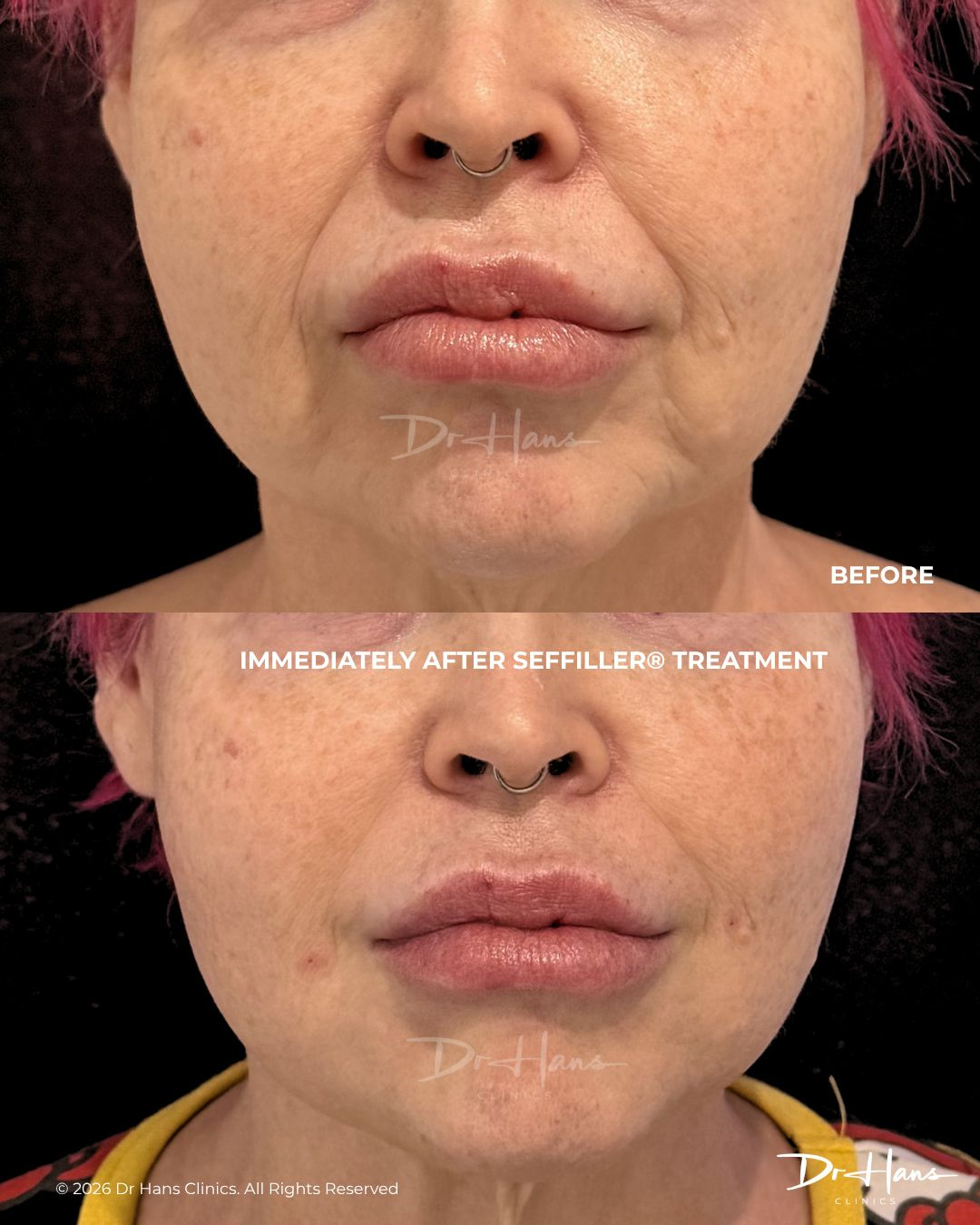
Immediately after treatment, the face may look fuller because the treated area contains the transferred tissue alongside swelling and fluid from the procedure. Over the following weeks, those early effects settle. The longer-term result becomes clearer only after the tissue has had time to stabilise.
This is why a before-and-after photograph taken immediately after facial fat transfer tells you very little about the final outcome.

HOW RESULTS DEVELOP

DAY 0

THE TREATMENT DAY

The treated area may look fuller than expected.
This early appearance can reflect:
transferred tissue
swelling
local fluid
the immediate effects of treatment
The donor area may feel tender and can develop bruising.
Do not judge the result yet.
DAYS 1 TO 7

THE EARLY RECOVERY PHASE

Swelling and bruising are usually most relevant during the early recovery period.
The face may look:
uneven
puffy
fuller than expected
different from one side to the other
This does not necessarily represent the final result.
The donor area may also remain:
tender
bruised
swollen
temporarily firm or irregular
Recovery varies between patients and between treatment areas.
WEEKS 2 TO 6

SETTLING

Much of the obvious early swelling should be reducing, although the timing varies.
The treated areas begin to look and feel more settled.
During this period, the appearance may continue to change as:
swelling resolves
temporary fluid reduces
the transferred tissue undergoes its early biological response
tissue that does not persist is gradually resorbed
The result may appear less full than it did immediately after treatment.
That does not automatically mean the procedure has “failed”. Early post-treatment fullness was never the final result.
AROUND 3 MONTHS

A MORE MEANINGFUL ASSESSMENT

By this stage, the result is usually more useful to assess than it was during the early recovery period.
The questions become:
how has the treated area settled?
what degree of correction remains?
how does it fit with the rest of the face?
has the donor area recovered appropriately?
is any further treatment worth considering?
The exact review schedule depends on the individual treatment plan.
LONGER TERM

THE RESULT CONTINUES TO AGE WITH YOU

Where transferred adipose tissue persists, it remains part of a living and changing face.
The result can therefore continue to be influenced by:
ageing
weight change
hormonal change
illness
smoking and nicotine exposure
changes in surrounding facial tissues
Facial fat transfer does not stop the ageing process.
It does not lock the face at the age or weight at which the procedure was performed.

THE RESULT IS NOT ONE THING

Three-panel infographic showing stages: 1) Early fullness — What you see first, with a face and arrows; 2) Settling — What changes, face image; 3) Longer-term result — What remains, face image.

WHAT HAPPENS TO THE TRANSFERRED FAT?

This needs to be explained simply because it is the part patients misunderstand most.
Not all transferred adipose tissue can be expected to persist.
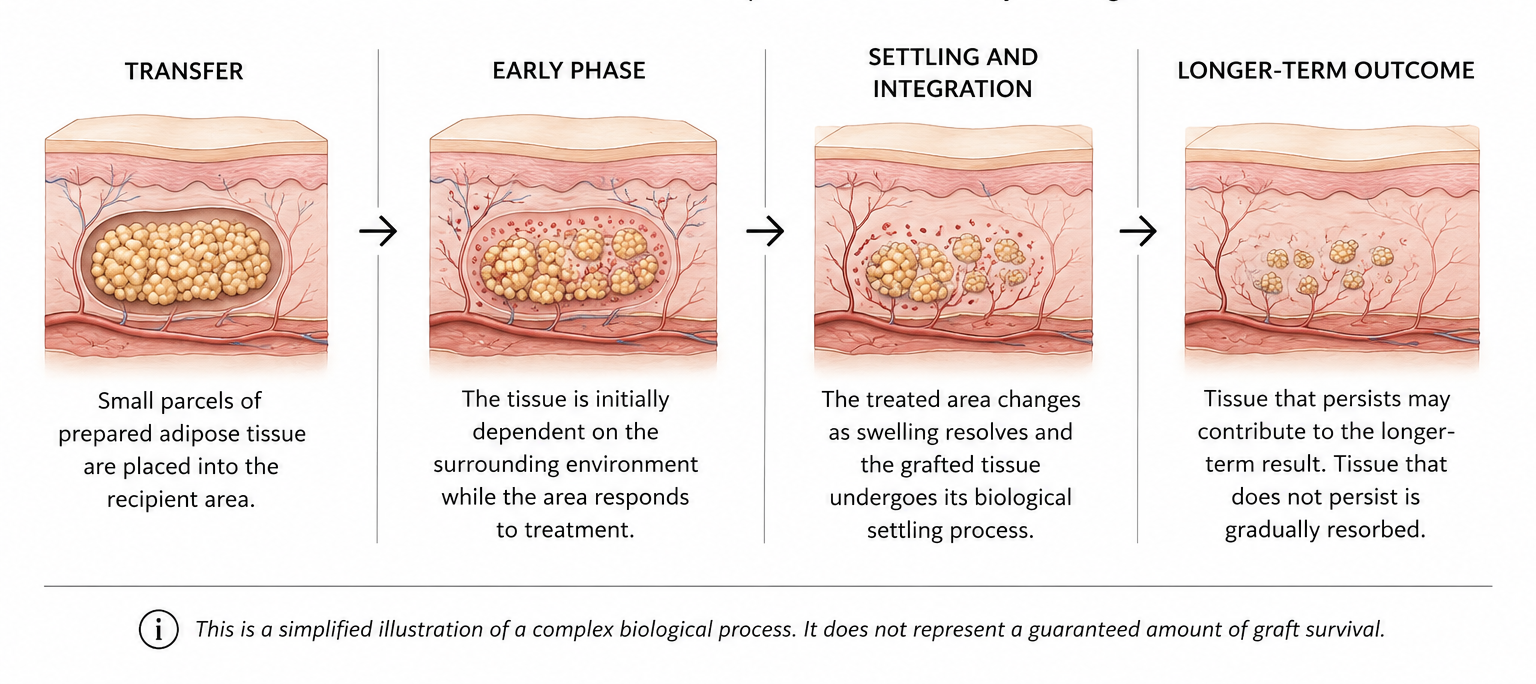
After transfer, the graft enters a new tissue environment. Its longer-term behaviour is influenced by the condition of the transferred tissue, the recipient area and individual patient factors.
Some transferred tissue may persist.
Some may not.
The visible result is the outcome of that process after the early swelling has settled.
Diagram of adipose tissue transfer in four stages: transfer, early phase, settling and integration, and long-term outcome with cross-sectional skin views and fat clusters.

HOW MUCH OF THE FAT SURVIVES?

There is no honest universal percentage.

This is one place where I want us to be firmer than competitor websites.
You may see clinics quote a fixed survival rate for facial fat transfer.
The problem is that graft persistence varies according to multiple factors, including:
the patient
the donor tissue
tissue handling
the recipient area
the amount and pattern of placement
smoking and nicotine exposure
general health
weight change
individual biology
Different fat-transfer techniques also cannot simply borrow survival percentages from one another.
A study of one harvesting, processing and placement method does not automatically tell us exactly how much tissue will persist after every SEFFILLER procedure.
For that reason, we do not promise that:
a fixed percentage will survive
all transferred tissue will remain
the immediate post-treatment volume will be maintained
every patient will retain the same degree of correction
The manufacturer also states that outcomes may vary according to patient and procedural factors and that results may not be definitive.

HOW LONG CAN THE RESULTS LAST?

There is no single expiry date.
Where transferred adipose tissue successfully persists, the result may last beyond the temporary effects of swelling and early recovery.
However, the visible result can continue to change because:
Analog clock showing 3:00 on a white background with a black frame, minute hand at 12 and hour hand at 3 THE FACE CONTINUES TO AGE
Bone, fat, skin and supporting tissues continue to change.
Icon of a bathroom scale with a round dial and two footprint outlines inside a rounded square base. BODY WEIGHT CAN CHANGE
Transferred adipose tissue remains responsive to the body’s wider biology.
Stylized black DNA double helix illustration used as a science symbol. THE ORIGINAL DEGREE OF GRAFT PERSISTENCE VARIES
Not every patient retains the same amount of visible correction.
Profile avatar icon: a simple user silhouette inside a circle with bold outline THE TREATED AREA MATTERS
Different facial regions have different anatomy, movement and tissue characteristics.
Black bullseye target with three rings and crosshair lines. THE TREATMENT GOAL MATTERS
A subtle change in tissue quality is not measured in the same way as visible volume restoration.
For these reasons, we do not describe SEFFILLER as a treatment with a guaranteed fixed duration.
We also do not describe it as “permanent filler”.

WHAT HAPPENS IF I GAIN OR LOSE WEIGHT?

This deserves a prominent visual section because it is both clinically important and highly relevant to patient search behaviour.

IF YOUR WEIGHT DECREASES

Further weight loss may reduce facial volume, including in areas surrounding the treatment.
The balance of the face may therefore continue to change.

IF YOUR WEIGHT INCREASES

Persisting adipose tissue may respond to wider changes in body composition.
This does not mean a small amount of transferred facial fat will suddenly behave like an expanding balloon. It means that living adipose tissue remains biologically responsive.

IF YOUR WEIGHT IS CHANGING RAPIDLY

The final facial pattern may still be evolving.
In some patients, waiting until weight is more stable may allow more sensible treatment planning.
The goal is not a perfect number on the scales. It is enough stability to understand the face we are actually planning to treat.

WILL I NEED MORE THAN ONE TREATMENT?

Possibly.
A single procedure may be sufficient for some treatment goals. In other patients, further treatment may be discussed after the initial result has settled.
The need for another treatment may depend on:
the starting anatomy
the area treated
the amount of correction sought
the degree of tissue persistence
ongoing ageing or weight change
whether the first treatment achieved a result worth building on
A second treatment should not be booked automatically before the first result can be properly assessed.
The manufacturer’s patient information refers to possible repeat treatment at intervals depending on the individual and treatment goals.
For the website, however, I would not repeat the brochure’s “4, 6 or 12 months” as a standard schedule unless your training confirms exactly how this applies to facial SEFFILLER in current practice.
That wording could make the treatment sound like a routine subscription package when the actual need should be individually assessed.

WHAT SHOULD A GOOD RESULT LOOK LIKE?

Not “done”.
Not swollen.
Not a face in which every hollow has been erased.
A good result should make sense within the rest of the face.
Depending on the treatment plan, that may mean:
The aim should be proportion, not maximum volume.
a softer transition between facial areas
less obvious localised hollowing
restoration of selected soft-tissue volume
a less depleted appearance
subtle changes in aspects of tissue quality
The aim should be proportion, not maximum volume.

RESULTS AT A GLANCE

What to expect
Immediately after
Fullness, swelling and possible bruising
First week
The appearance may be puffy, uneven or asymmetric while recovering
Following weeks
Swelling reduces and the result continues to change
Around 3 months
A more meaningful assessment of the settled result may be possible
Longer term
The appearance continues to be influenced by ageing, weight and individual biology
Guaranteed survival percentage?
No
Guaranteed permanent result?
No
Further treatment possible?
Yes, where appropriate after assessment

YOUR SEFFILLER TREATMENT JOURNEY

SEFFILLER involves two areas of the body: the donor area, where a small amount of adipose tissue is collected, and the treatment area, where the prepared tissue is transferred.
The exact plan varies between patients, but the journey follows a series of distinct stages.

01. CONSULTATION AND TREATMENT PLANNING

The first step is deciding whether fat transfer is actually the right treatment.
The assessment considers:
the change you want to address
whether volume loss is genuinely contributing to it
facial anatomy and proportions
skin and soft-tissue quality
previous filler, biostimulators or surgery
medical history and medication
smoking and nicotine use
current or planned weight change
suitability of a potential donor area
the degree of correction you are hoping to achieve
The treatment plan should be specific to the face in front of us.
Not every hollow needs filling. Not every area of volume loss needs fat. And not every patient who wants to avoid dermal filler is automatically better suited to SEFFILLER.
Before treatment, the plan should answer:
Where is treatment being considered?
Why is fat transfer being considered for that area?
Where can suitable donor tissue be collected?
What degree of change is realistic?
What are the alternatives?

02. CHOOSING THE DONOR AREA

A suitable area of superficial subcutaneous adipose tissue is identified.
Common potential donor areas include the:
ABDOMEN
A commonly assessed area where sufficient superficial subcutaneous tissue is present.
HIP OR FLANK REGION
May provide a suitable donor site depending on individual anatomy.
OUTER THIGH REGION
Another potential area where appropriate superficial adipose tissue may be available.
The choice is not based on where a patient most wants to lose fat.
This is not a body-contouring procedure.
Only the amount of tissue required for the planned treatment is collected, and patients should not expect visible slimming or reshaping of the donor area.
The SEFFILLER device instructions identify the abdomen, hips and trochanteric region among commonly used harvesting areas and require adequate subcutaneous tissue at the selected site.

TWO AREAS. TWO RECOVERIES.

THE DONOR AREA THE TREATMENT AREA
Where tissue is collected
Where prepared tissue is transferred
Small skin entry point
Needle or cannula entry points
May bruise or feel tender
May swell or bruise
Dressing required
Recovery depends on the area treated
Patients often focus on the face and forget about the donor site. Both areas form part of the procedure and recovery.

03. PREPARING FOR THE PROCEDURE

On the day of treatment, the planned donor and treatment areas are reviewed.
Before proceeding:
the treatment plan is confirmed
relevant medical information and medication are reviewed
the donor area is reassessed
the areas being treated are documented
the skin is checked for any reason to delay treatment
The procedure is performed using aseptic technique.
The manufacturer’s protocol requires careful preparation of both the harvesting and grafting areas and maintenance of sterile conditions during the procedure.
Detailed instructions on medication, alcohol, smoking, skincare and what to bring will appear in the Preparing for Your Treatment section later on this page.

04. LOCAL ANAESTHESIA

The standard SEFFILLER protocol uses local anaesthesia at the donor area.
A small skin opening is created for the harvesting cannula, and local anaesthetic solution is introduced into the planned collection area.
The manufacturer’s procedure includes a waiting period after infiltration before the tissue harvest begins.
Patients may feel:
the initial anaesthetic injections
pressure
movement
pulling or unusual sensations during the harvest
We should not describe the procedure as painless.
Comfort varies between patients and between donor areas.

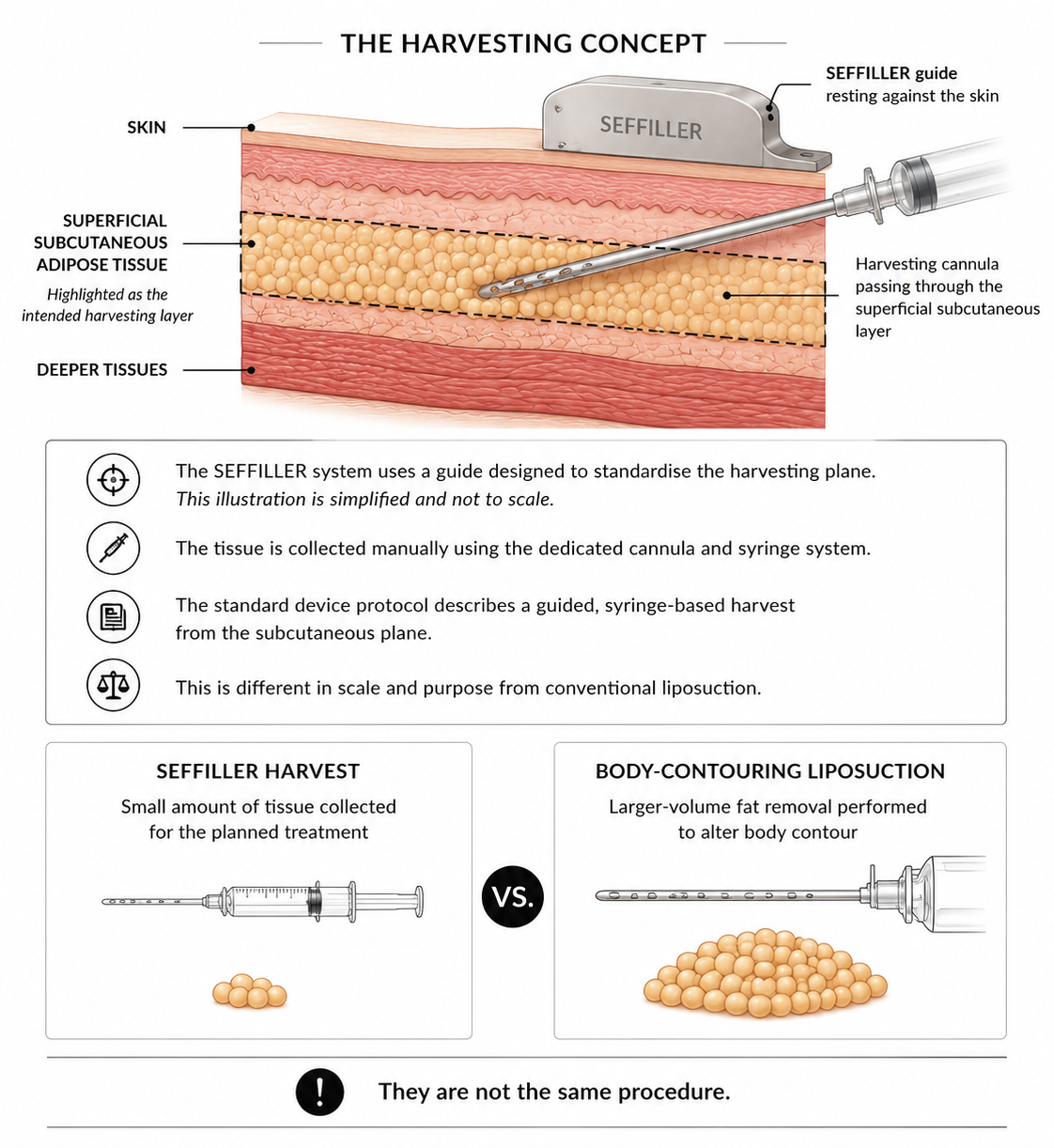
05. SMALL-VOLUME TISSUE HARVEST

Once the area has been prepared, a small amount of superficial adipose tissue is collected.
Cross-section of skin showing a harvesting tool labeled SEFFILLER removing a small amount of superficial adipose tissue from the subcutaneous layer in an infographic style.

06. WASHING AND PREPARING THE TISSUE

After collection, the adipose tissue is prepared before transfer.
In the standard SEFFILLER workflow, the harvested tissue is combined with sterile saline and allowed to separate by gravity.
Step-by-step tissue preparation: harvest tissue, wash with sterile saline, gravity separation, remove wash fluid, retain tissue, transfer into syringes for grafting.

07. PREPARING THE TISSUE FOR TRANSFER

Once washed, the tissue intended for grafting is transferred into smaller syringes.
The manufacturer’s standard protocol specifies that the tissue is transferred while excluding the oily layer at the top.
The tissue can then be prepared for placement into the selected treatment areas.
The exact:
amount used
areas treated
placement pattern
instrument used for transfer
depend on the treatment plan and trained clinical technique.
There is no standard number of syringes that every face should receive.

08. TRANSFERRING THE TISSUE

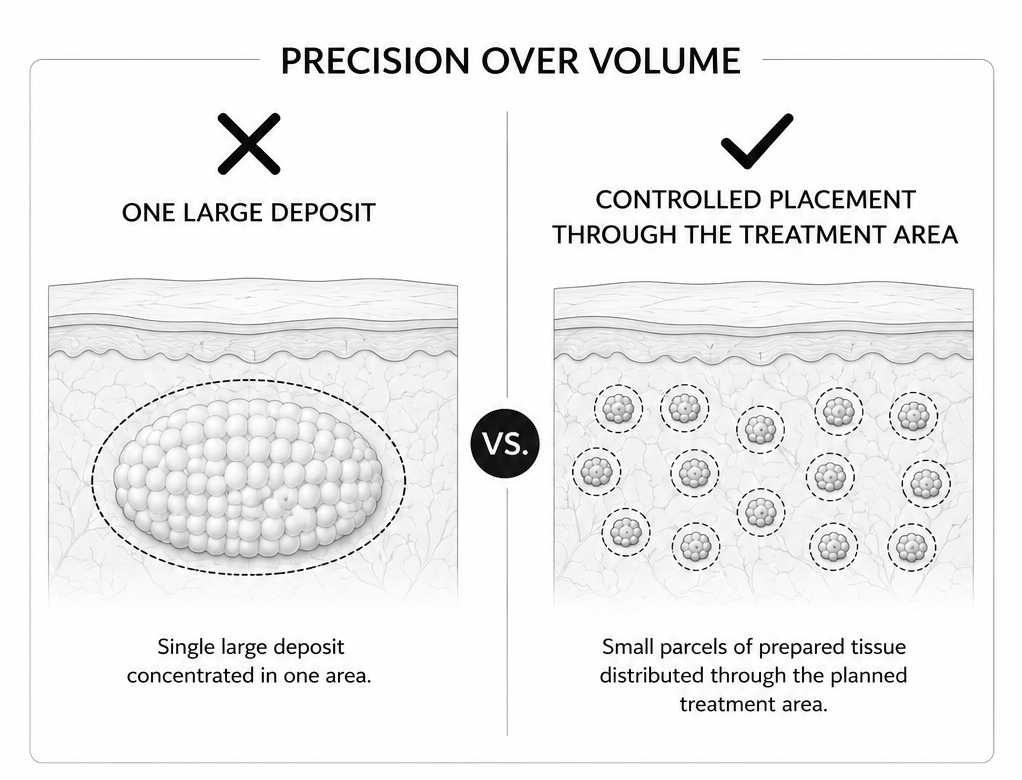
The prepared tissue is placed into the agreed treatment areas.
Illustration comparing a single large tissue deposit to many small, precisely placed parcels for targeted treatment.
Black bullseye target with three rings and crosshair lines. The amount and pattern of placement depend on the anatomy, treatment area and intended degree of correction.
More tissue is not automatically better.
Overcorrection is not a substitute for planning around the uncertainty of graft persistence.
The aim is not to see how much fat can be placed.
The aim is to use an appropriate amount for the area and treatment goal.

09. IMMEDIATELY AFTER TREATMENT

At the end of the procedure, both the donor area and treated area are assessed.
A dressing is applied to the donor site.
You may notice:
AT THE DONOR AREA
tenderness
swelling
bruising
a small amount of blood spotting on the dressing
AT THE TREATED AREA
swelling
fullness
bruising
tenderness
temporary unevenness or asymmetry
The manufacturer’s patient information states that a small amount of bleeding visible on the donor-site dressing may occur during the first 12 hours.
The face may look fuller than the planned longer-term result.
That early appearance should not be used to judge the outcome.

YOUR TREATMENT JOURNEY AT A GLANCE

Line drawing of a doctor holding a clipboard and talking to a patient inside a circular frame. CONSULT
Assess the concern, anatomy, alternatives and suitability
Profile icon: side view of a woman's face inside a circle, simple line drawing with a ponytail buttress detail. PLAN
Select the treatment areas and a suitable donor site
Hand sanitizer bottle with a shield displaying a medical cross inside a circular border, symbolizing health protection. PREPARE
Clean and prepare both areas using aseptic technique
Syringe and vaccine vial inside a circular border ANAESTHETISE
Use local anaesthesia according to the procedure plan
Syringe angled above a beaker containing pills, all inside a circular border. HARVEST
Collect a small amount of superficial adipose tissue
Diagram of a chemical reaction: a liquid in the left test tube is converted to gas bubbles in the right test tube, shown by an arrow. PREPARE THE TISSUE
Wash, separate and transfer the tissue for grafting
Line drawing of a woman's face inside a circle, with dotted lines under the eyes indicating treatment areas. TREAT
Place the prepared tissue into selected areas
Calendar icon with a checkmark indicating a confirmed date or event RECOVER
Allow swelling and bruising to settle
Clipboard with a checkmark, indicating a completed task or approval. REVIEW
Assess the result after an appropriate period of recovery

HOW LONG SHOULD I EXPECT TO BE AT THE CLINIC?

The treatment itself is only one part of the appointment.
Time is also needed for:
reviewing the plan
preparation
local anaesthesia
the waiting period before harvesting
tissue collection
transfer
dressings
post-treatment checks
The manufacturer’s patient information describes an average procedure duration of approximately 40 minutes.
Appointment time varies according to the treatment plan and areas being treated. You will be given an expected appointment duration before treatment.
After your training and first proper cases, we can replace that with a realistic clinic-specific range. If it takes 75 minutes in real life, the website should not promise 40 because a brochure did.

BEFORE YOU LEAVE

Before leaving the clinic, you should know:
how to care for the donor-site dressing
what swelling and bruising may be expected
which activities to avoid
when you can wash or shower
what medication or skincare instructions apply
which symptoms require urgent contact
how and when follow-up will take place
You should also have a clear way to contact the clinic if you are concerned during recovery.

RECOVERY AND DOWNTIME

Recovery after SEFFILLER involves two separate areas:
the donor area, where the adipose tissue was collected.
the face, where the prepared tissue was transferred.
They do not necessarily recover at the same rate.
The amount of swelling and bruising varies according to the areas treated, the amount of tissue transferred and individual healing. Some patients may feel comfortable returning to normal daily activities relatively quickly. Others may prefer more time before work or social events.
If you have an important event, photographs or travel planned, do not schedule treatment too close to it.

WHAT TO EXPECT AFTER TREATMENT

THE TREATED AREA

You may experience:
swelling
bruising
tenderness
temporary firmness
fullness
unevenness while swelling settles
temporary asymmetry during early recovery
The face may initially look more corrected than the eventual result.
This is expected to change.

THE DONOR AREA

You may experience:
bruising
tenderness
swelling
temporary firmness or irregularity
discomfort with pressure or movement
a small amount of spotting on the dressing
The donor area is not simply the place the treatment came from. It is a second treatment site and needs its own recovery time.

YOUR RECOVERY, DAY BY DAY

FIRST 24 HOURS

Protect both treatment areas
Swelling and tenderness may begin during the first day.
A small amount of blood spotting on the donor-site dressing can occur. The manufacturer’s patient information notes that this may be seen during the first 12 hours.
During this period:
follow the instructions given for the donor-site dressing
avoid pressing, rubbing or massaging the treated areas unless specifically advised
avoid strenuous exercise
avoid unnecessary heat exposure
take only medication that has been approved or advised for you
contact the clinic if something feels significantly different from what was explained
The face may look fuller or more uneven than expected.
This is far too early to assess the result.

DAYS 2 TO 3

Swelling and bruising may be more noticeable
For some patients, swelling is not at its most obvious immediately after treatment.
It may become more noticeable during the first few days before beginning to settle.
You may notice:
facial puffiness
bruising becoming darker or more visible
tenderness at the donor area
temporary asymmetry
a feeling of firmness or fullness
This can be inconvenient.
It is not useful to pretend otherwise.
If you need to look completely normal for a wedding, television appearance, court hearing or first date with someone whose photographs were suspiciously good, give yourself more recovery time than the minimum.

DAYS 4 TO 7

Early recovery continues
Swelling and bruising should begin to evolve, although the pace varies considerably.
Some patients may feel ready to return to work and social activities earlier. Others may still have visible swelling or bruising.
During this stage:
the face may still look different from side to side
bruising may change colour as it resolves
the donor area may remain tender
the treated area may still feel different to touch
The result is still settling.

WEEKS 2 TO 6

The face begins to look more settled
Much of the obvious early recovery should be improving, although some changes may take longer.
The treated area may appear less full than it did immediately after the procedure.
This is expected.
Early post-treatment volume included swelling and fluid. The appearance after those have reduced is more relevant than the appearance on treatment day.
The donor area should also continue to settle.

THE FOLLOWING MONTHS

The longer-term result becomes clearer
Once the early recovery phase has passed, attention shifts from swelling and bruising to the actual treatment outcome.
This is when it becomes more meaningful to assess:
the degree of correction
the balance between treated and untreated areas
how the tissue has settled
whether the result is appropriate for the face
whether any further treatment should even be considered
Further treatment should not be planned simply because the face looked fuller on day one than it does later.
Day one was never the final result.

HOW MUCH DOWNTIME SHOULD I PLAN FOR?

There is no single number that applies to everyone.
A better way to plan is by asking what you need to be ready for.
Your plans What to consider
Working from home
You may feel able to work before you are socially presentation-ready
Office work
Visible swelling or bruising may still be present
Public-facing work
Allow more flexibility in case recovery is noticeable
Important social event
Do not rely on the shortest possible recovery estimate
Wedding or major photographs
Leave a generous margin between treatment and the event
Travel
Discuss the timing before booking treatment
The clinic should give you an individual estimate based on the areas being treated.
No website can guarantee exactly when another person will stop noticing your swelling.

WORK AND SOCIAL PLANS

Some patients may return to normal daily activities relatively quickly.
That does not mean the treatment has no downtime.
There is a difference between:
being medically well enough to work
and
looking exactly as you did before treatment
If your work involves:
public speaking
filming
photography
close client contact
an important presentation
plan more conservatively.

EXERCISE

Strenuous exercise should be avoided during the early recovery period.
Exercise can increase:
blood flow
swelling
bruising
discomfort
The exact timing for returning to:
gym training
running
swimming
contact sport
heavy lifting
depends on the extent of the procedure and your recovery.
You will be given individual instructions after treatment.

SLEEPING

The treated areas should be protected from unnecessary pressure during early recovery.
Depending on the areas treated, you may be advised to:
sleep on your back initially
keep your head slightly elevated
avoid sleeping directly on a treated facial area
This is particularly relevant when treatment involves areas that may be compressed by side sleeping.
The exact advice should follow the treatment performed.

SHOWERING AND THE DONOR-SITE DRESSING

The donor site has a small skin entry point and dressing.
Instructions should cover:
how long to keep the initial dressing in place
when showering is permitted
whether a replacement dressing is required
what to do if the dressing becomes wet or heavily soiled
The exact instructions should follow the procedure and dressing used.
The manufacturer’s patient information states that some blood may be visible on the dressing during the first 12 hours and gives specific advice on replacing the dressing if necessary.

MAKEUP AND SKINCARE

The face should be treated gently during early recovery.
Patients should not immediately:
rub or massage the treated areas
use aggressive exfoliating products
apply retinoids or strong acids
use home microneedling devices
apply unnecessary pressure to the treatment sites
The timing of makeup depends on:
the areas treated
the condition of the skin
the entry points used
individual recovery
You will be given instructions appropriate to your procedure.

ALCOHOL

Alcohol can contribute to dehydration and may worsen bruising or swelling in some patients.
It is sensible to avoid alcohol during the immediate recovery period and follow the instructions provided for your treatment.
The exact pre-treatment advice belongs in the Preparing for Your Treatment section.

HEAT, SAUNAS AND STEAM ROOMS

During early recovery, avoid unnecessary exposure to:
saunas
steam rooms
very hot baths
intense heat treatments
Heat may increase swelling and discomfort.
Return gradually once the early recovery period has passed and the treated areas are healing normally.

FACIAL MASSAGE AND OTHER TREATMENTS

Do not massage the treated facial areas unless you have specifically been instructed to do so.
Also avoid booking other facial procedures too close to SEFFILLER without discussing the timing first.
This includes:
facial massage
lymphatic massage of the treated face
facials
microneedling
energy-based treatments
lasers
radiofrequency
ultrasound-based treatments
other injectable procedures
The correct interval depends on:
the treatment performed
the area treated
recovery
the proposed next procedure
There is no sensible universal rule that every treatment can simply restart after two weeks.

FLYING AND TRAVEL

If you are planning to travel soon after treatment, discuss this before booking.
Travel may affect:
access to follow-up
management of unexpected concerns
swelling and comfort
the ability to return for assessment if needed
For longer journeys, individual risk factors may also need to be considered.
The website should not promise that flying is automatically fine after a fixed number of hours.
The treatment plan and the patient matter.

WHAT IS EXPECTED, AND WHAT NEEDS REVIEW?

COMMON DURING EARLY RECOVERY
swelling
bruising
tenderness
temporary firmness
temporary unevenness
asymmetry while swelling settles
discomfort at the donor site
a small amount of spotting on the donor-site dressing
These symptoms should be considered in the context of how severe they are and whether they are improving.
CONTACT THE CLINIC PROMPTLY IF YOU ARE CONCERNED ABOUT:
increasing rather than improving pain
rapidly worsening swelling
marked redness or heat
discharge or other signs of possible infection
persistent bleeding
significant colour change in the skin
new blistering or skin breakdown
increasing asymmetry that appears unusual
fever or feeling systemically unwell
any symptom that is severe, rapidly changing or was not expected from your aftercare discussion
Patients should not wait for a routine review if they are worried that something is wrong.

SEEK URGENT MEDICAL HELP

Seek urgent medical attention for symptoms such as:
difficulty breathing
chest pain
collapse
severe allergic symptoms
sudden significant visual disturbance
rapidly progressive severe symptoms
This list is not exhaustive. If you believe you are experiencing a medical emergency, seek urgent medical assistance rather than waiting for a routine clinic response.

RECOVERY AT A GLANCE

Stage What may be happening
First 24 hours
Swelling, tenderness and early bruising may begin
Days 2 to 3
Swelling or bruising may become more noticeable
Days 4 to 7
Early recovery continues and appearance may remain variable
Weeks 2 to 6
The face and donor area continue to settle
Following months
The longer-term result becomes more meaningful to assess
Recovery varies. The shortest recovery you read about online should not become the deadline you expect your own body to meet.

PLANNING AROUND THE PROCEDURE

Black briefcase icon representing business or professional services. WORK
Plan according to how visible you can afford swelling or bruising to be, not simply whether you can physically answer emails.
Camera icon button EVENTS
Leave a generous margin before important photographs, weddings and major social occasions.
Black silhouette of a fixed-wing airplane angled upward, like an icon. TRAVEL
Discuss travel plans before treatment, particularly if they would limit access to follow-up.

PREPARING FOR YOUR SEFFILLER TREATMENT

Good preparation is not about following a dramatic list of restrictions.
It is about arriving for treatment with:
an accurate medical history
no important information withheld
the donor and treatment areas in suitable condition
realistic plans for recovery
Your individual instructions may differ depending on your health, medication, donor area and treatment plan.

2 TO 4 WEEKS BEFORE

KEEP US UPDATED ABOUT YOUR HEALTH
Tell the clinic if there has been any change in your:
health
medication
allergies
pregnancy or breastfeeding status
recent surgery or medical treatment
tendency to bleed or bruise
smoking or nicotine use
Also tell us about any previous treatment in the areas being considered, including:
dermal filler
permanent or non-resorbable filler
biostimulators
fat transfer
surgery
threads
energy-based treatments
previous complications
Previous treatment does not automatically prevent SEFFILLER, but it may change the assessment or treatment plan.
KEEP YOUR WEIGHT PLANS REALISTIC
If you are actively losing weight, planning major further weight loss or have recently had a significant change in weight, tell us before treatment.
This includes weight loss with:
diet and lifestyle changes
weight-management medication
bariatric procedures
illness
You do not need to maintain one exact number on the scales.
However, major ongoing changes in facial and body composition may affect both donor-site planning and the longer-term appearance of the face.
Do not deliberately gain weight to create a donor area for treatment.
SMOKING AND NICOTINE MATTER
Smoking is relevant to tissue healing and the environment into which adipose tissue is transferred.
The SEFFILLER device information lists strong tobacco use as a relative contraindication.
Tell us if you use:
cigarettes
nicotine-containing vapes
nicotine pouches
nicotine replacement products
Do not simply answer “non-smoker” if you vape nicotine every day. Your blood vessels are not impressed by semantics.
The exact advice on reducing or stopping nicotine should be given individually, particularly if you use prescribed or medically supervised nicotine replacement.

7 DAYS BEFORE

DO
KEEP WELL HYDRATED
Normal hydration supports general wellbeing and recovery.
There is no need for extreme water loading or a special “detox”.
EAT NORMALLY
Unless you have been given different instructions for a specific reason, maintain a normal balanced diet.
This is not a treatment to prepare for with:
fasting
crash dieting
juice cleanses
severe calorie restriction
Adequate nutrition matters for recovery.
PLAN FOR DOWNTIME
Consider:
work
filming or photography
weddings and social events
exercise
travel
childcare
anything that requires you to look completely normal immediately
Do not plan around the best-case recovery photograph you found online.
TELL US
Contact the clinic before your appointment if you:
become unwell
develop a fever
start antibiotics
develop a skin infection
develop a rash or inflammatory skin flare in a planned treatment area
have a dental infection or significant dental procedure
start a new medication
have an unexpected change in your health
Treatment may need to be postponed.
Moving an appointment is irritating.
Treating through an avoidable problem is more irritating.
DO NOT STOP MEDICATION YOURSELF
Some medicines and supplements can affect bleeding, bruising or healing.
This does not mean you should stop them because a website told you to.
Tell us about:
anticoagulants
antiplatelet medication
anti-inflammatory medication
prescribed steroids
immunosuppressive treatment
supplements
herbal products
any medication relevant to bleeding or healing
Do not stop prescribed medication unless the clinician responsible for that medication has specifically advised you to do so.

MEDICATIONS AND SUPPLEMENTS

WHY DO WE ASK?
Some medicines and supplements may affect:
bleeding
bruising
healing
infection risk
suitability for local anaesthetic
overall procedural risk
The answer is not to produce one universal internet blacklist.
The answer is to review what you actually take.
Bring or provide an up-to-date list of:
prescription medicines
over-the-counter medicines
vitamins
herbal products
supplements
If you are unsure whether something matters, tell us anyway.

48 HOURS BEFORE

AVOID ALCOHOL
Alcohol may contribute to dehydration and may worsen bruising or swelling in some patients.
Avoid alcohol in the immediate period before treatment according to the instructions provided for your procedure.
DO NOT IRRITATE THE TREATMENT AREAS
Avoid unnecessary irritation of the planned facial and donor areas.
Do not deliberately:
exfoliate aggressively
use home microneedling devices
wax over a planned treatment area
use strong chemical peels
have another invasive cosmetic procedure
If you develop broken skin, significant irritation or inflammation, tell the clinic.
THINK ABOUT CLOTHING
Wear comfortable clothing that allows practical access to the planned donor area.
Depending on the donor site, this may mean avoiding:
tight waistbands
restrictive clothing
delicate clothing you would be devastated to stain
A small amount of fluid or blood spotting can occasionally occur at the donor-site dressing during early recovery.
White silk trousers are a lifestyle choice. They are not an ideal procedural choice.

THE DAY BEFORE

Eat normally
Keep normally hydrated
Avoid alcohol as instructed
Check that you feel well
Make sure the clinic knows about any new medication or illness
Prepare comfortable clothing
Check your travel arrangements
Make sure you have time to recover afterwards
Do not crash diet
Do not stop prescribed medication without medical advice
Do not arrive with an undisclosed infection or illness
Do not schedule the procedure immediately before an important event

ON THE DAY OF TREATMENT

EAT AND DRINK NORMALLY
Unless you have specifically been told otherwise, do not arrive dehydrated or after unnecessary fasting.
The standard SEFFILLER procedure uses local anaesthesia.
Your individual instructions take priority if there is a clinical reason for them to differ.
ARRIVE WITH CLEAN SKIN
Where practical, arrive with the planned treatment areas clean.
Avoid applying unnecessary products to the areas being treated.
For facial treatment, this may mean avoiding:
heavy makeup
self-tan
thick occlusive skincare
The skin will still be prepared appropriately before the procedure.
WEAR PRACTICAL CLOTHING
Your clothing should allow access to the planned donor area without unnecessary difficulty.
The donor area may be the:
abdomen
hip or flank region
outer thigh region
The actual area will have been discussed during planning.
BRING AN ACCURATE MEDICATION LIST
Especially if anything has changed since consultation.
Do not assume:
“It is only a supplement.”
or
“I only take it occasionally.”
means it is irrelevant.
ALLOW ENOUGH TIME
Do not schedule the appointment between two meetings as though you are having your eyebrows threaded.
Time may be needed for:
final review
preparation
local anaesthesia
tissue harvesting
tissue preparation
transfer
dressings
post-treatment checks
Appointment duration varies with the treatment plan.

WHAT MAY CAUSE YOUR TREATMENT TO BE POSTPONED?

Treatment may need to be delayed if, for example, you have:
Outline of a stethoscope, a medical examination tool (silhouette). AN ACTIVE INFECTION
At the donor site, treatment area or elsewhere where it creates a relevant clinical concern.
Adhesive bandage (band-aid) with a beige pad in the center, placed diagonally. BROKEN OR SIGNIFICANTLY INFLAMED SKIN
Where it may interfere with the planned procedure.
Clipboard icon with a checklist and a checkmark badge, representing completed tasks. A NEW OR UNDISCLOSED MEDICAL ISSUE
That requires further assessment.
Capsule-shaped pill icon, half gray and half white with a black outline, viewed diagonally in a simple graphic. A SIGNIFICANT CHANGE IN MEDICATION
Particularly where bleeding, healing or procedural suitability may be affected.
Yellow face emoji looking ill with a thermometer in its mouth, indicating fever or sickness. ACUTE ILLNESS
Where proceeding would be inappropriate.
Generic user profile icon (silhouette of a person) A DONOR AREA THAT IS NOT SUITABLE ON THE DAY
Final suitability still needs to be confirmed.
Chat message icon: two overlapping speech bubbles indicating messaging functionality EXPECTATIONS THAT HAVE CHANGED
Consent is not a form signed once and then forgotten.
If the treatment you now expect is different from the treatment that was discussed, the plan needs to be revisited.

YOUR PRE-TREATMENT CHECKLIST

Before your appointment, make sure you've completed the following checklist.

    I have disclosed my medical historyI have provided an up-to-date medication and supplement listI have told the clinic about previous filler, fat transfer, surgery or other relevant facial treatmentsI have disclosed smoking and nicotine useI have told the clinic about significant or ongoing weight changeI am not hiding an infection, illness or skin problem because I do not want my appointment cancelledI have not stopped prescribed medication without appropriate adviceI understand that the procedure involves both a donor site and facial treatment siteI have planned for swelling and bruisingI do not have an important event immediately after treatmentI know how I am getting home

    Bring any questions to your consultation.
    If anything changes before your appointment, please let the clinic know.

    ONE WEEK BEFORE YOUR APPOINTMENT

    Clipboard icon with a checklist and a checkmark badge, representing completed tasks.
    7 DAYS BEFORE
    Review medication, supplements, health changes and recovery plans.
    No alcohol permitted: bottle and wine glass shown inside a prohibitory circle
    48 HOURS BEFORE
    Avoid unnecessary skin irritation and follow your individual alcohol instructions.
    Line drawing of a button-down shirt with a plate containing a fork, knife, and spoon overlapping the lower-left area.
    THE DAY BEFORE
    Eat normally, stay hydrated and prepare comfortable clothing.
    Hospital building icon with a cross on the roof, central entrance, and side wings.
    TREATMENT DAY
    Arrive well, allow enough time and tell us if anything has changed.

    ONE IMPORTANT RULE

    IF SOMETHING HAS CHANGED, TELL US.
    A new medication.
    An infection.
    Antibiotics.
    A skin flare.
    A dental problem.
    A change in health.
    A significant change in weight.
    Something you forgot to mention at consultation.
    We would rather reassess the plan than discover important information halfway through the procedure.

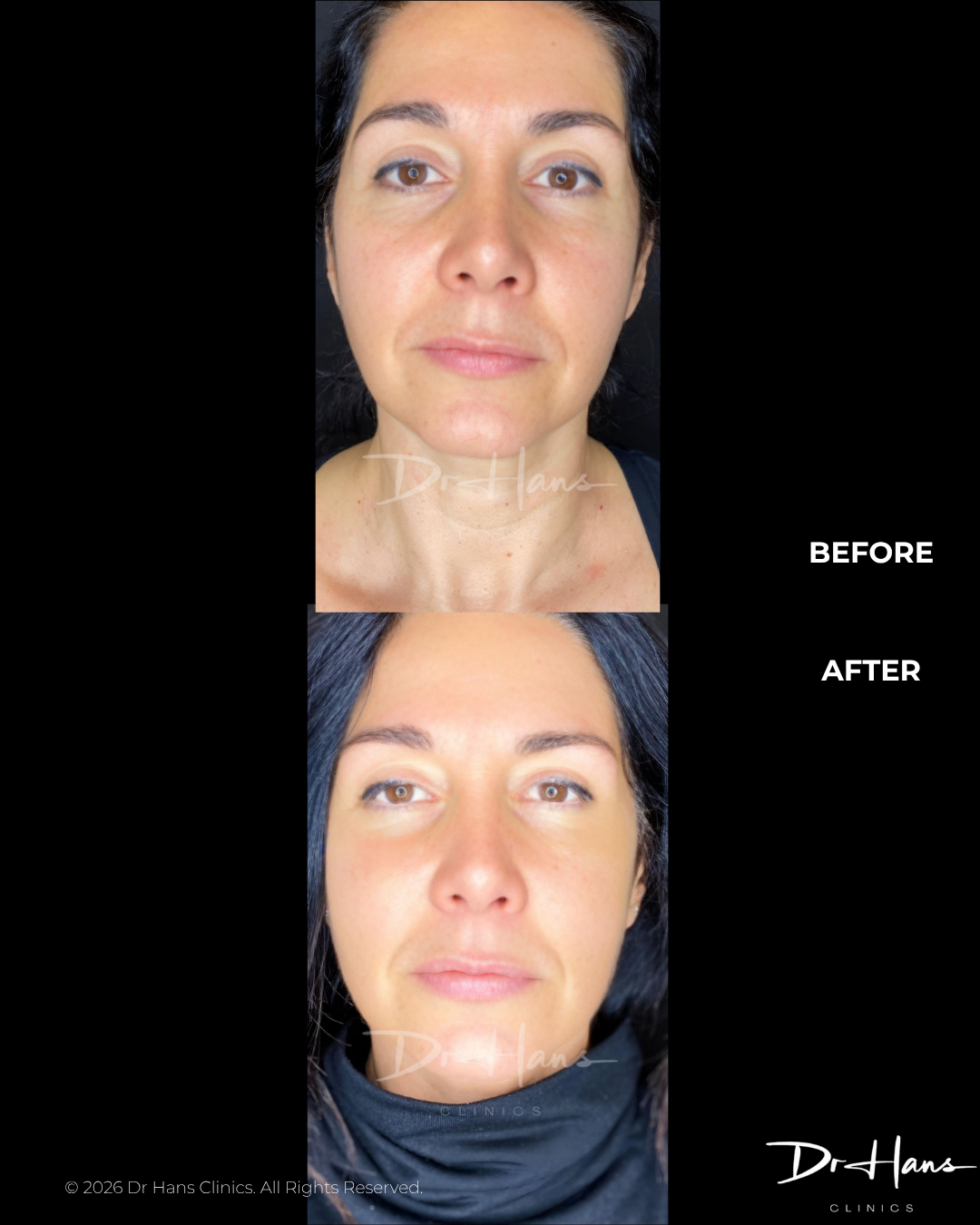
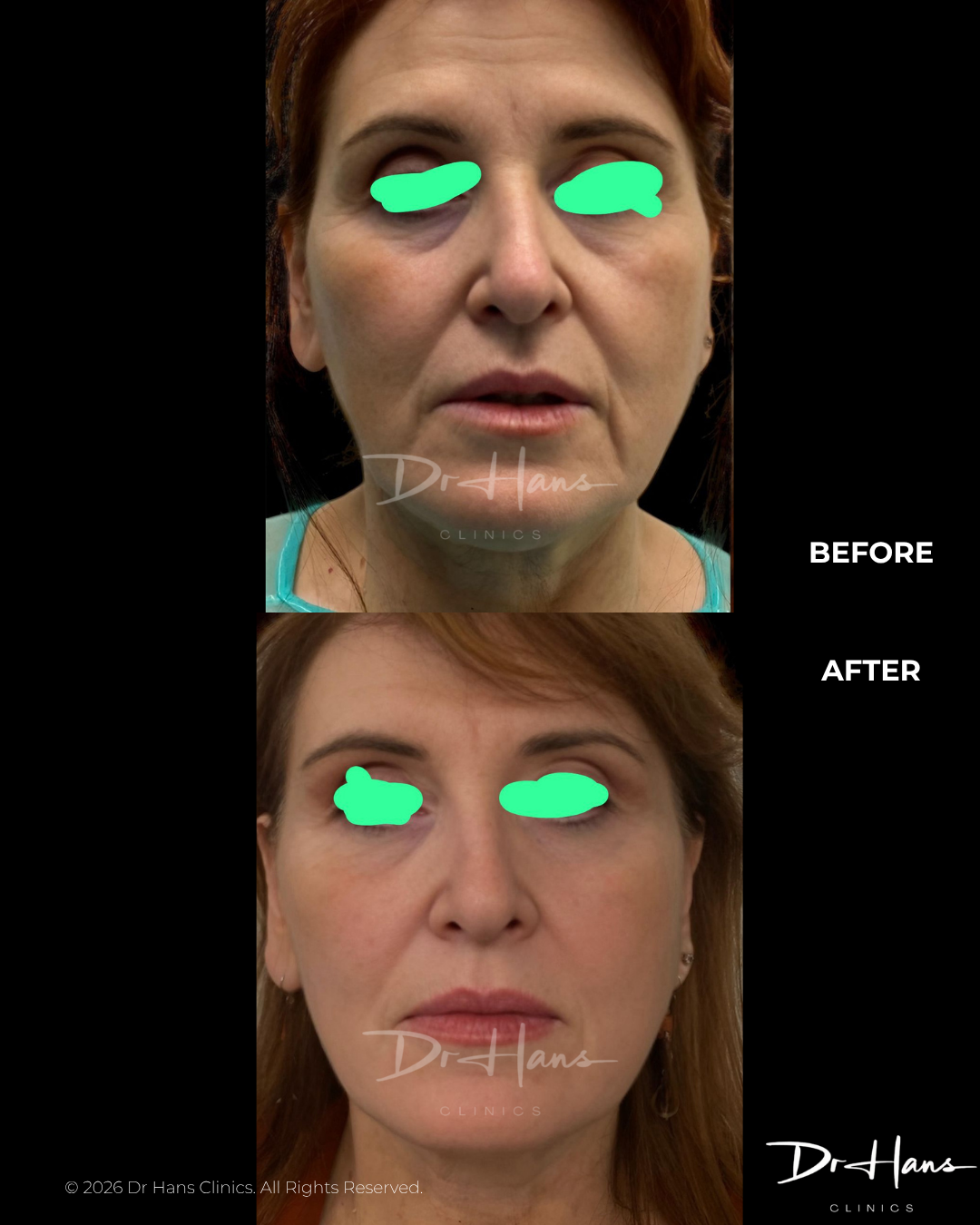
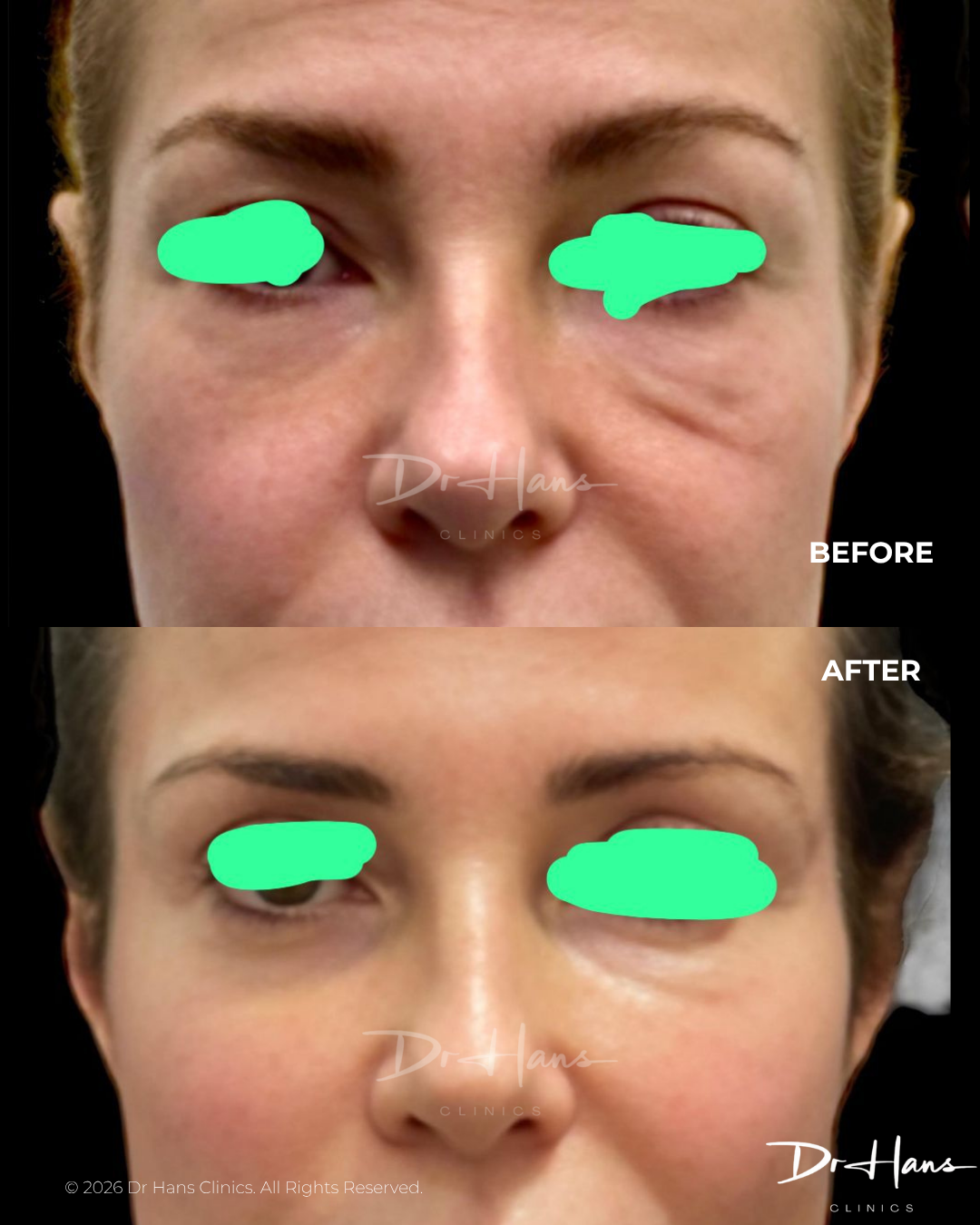
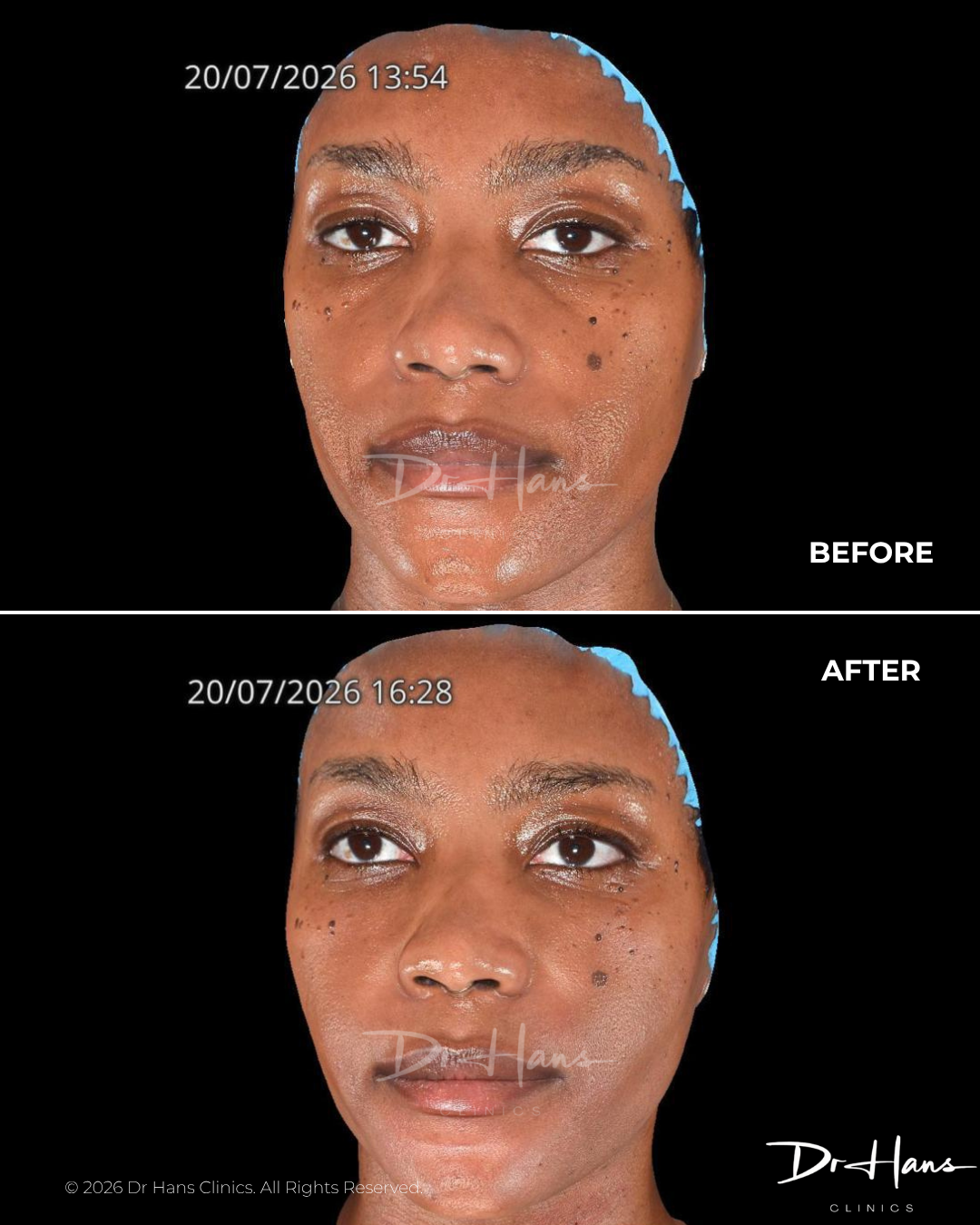
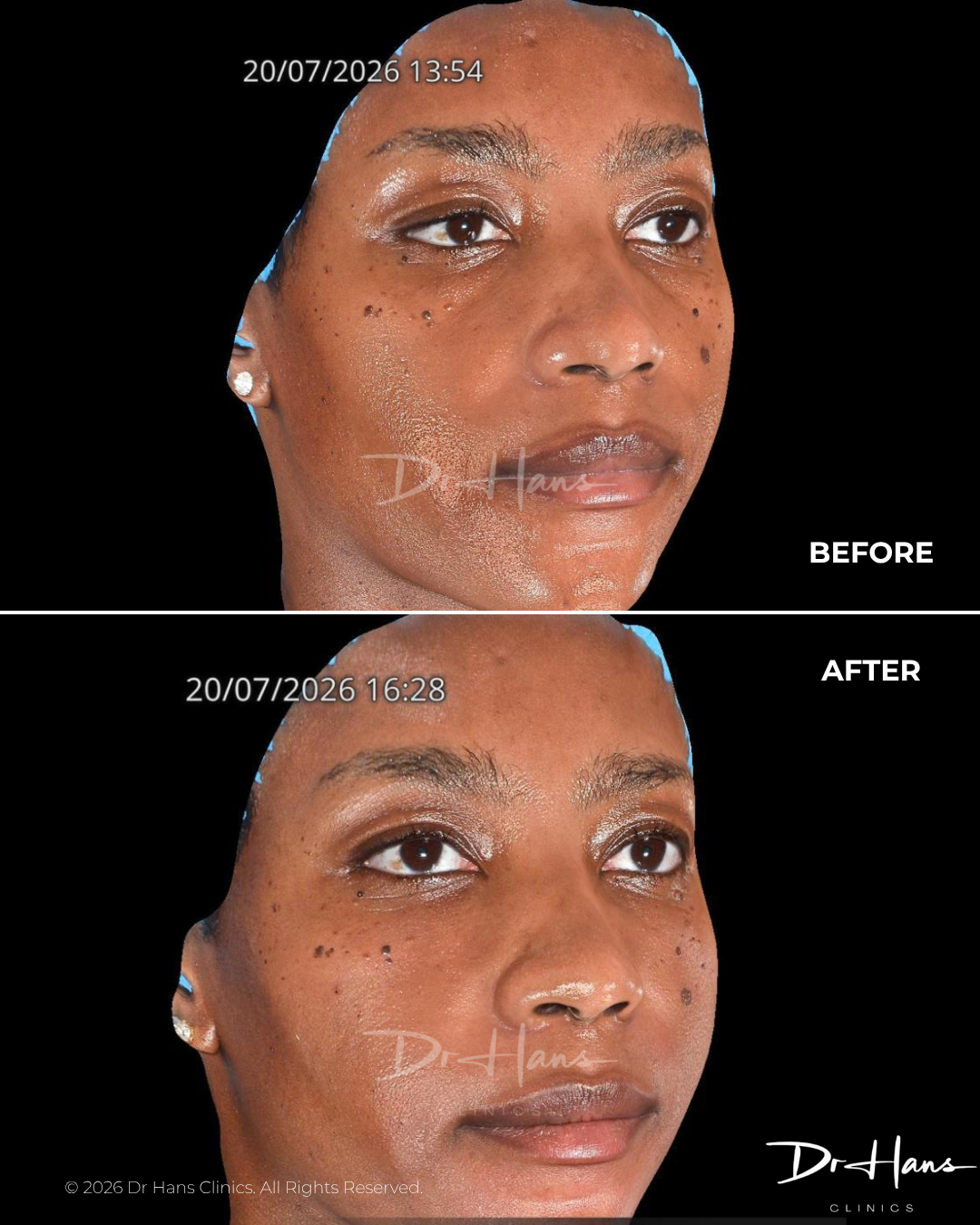
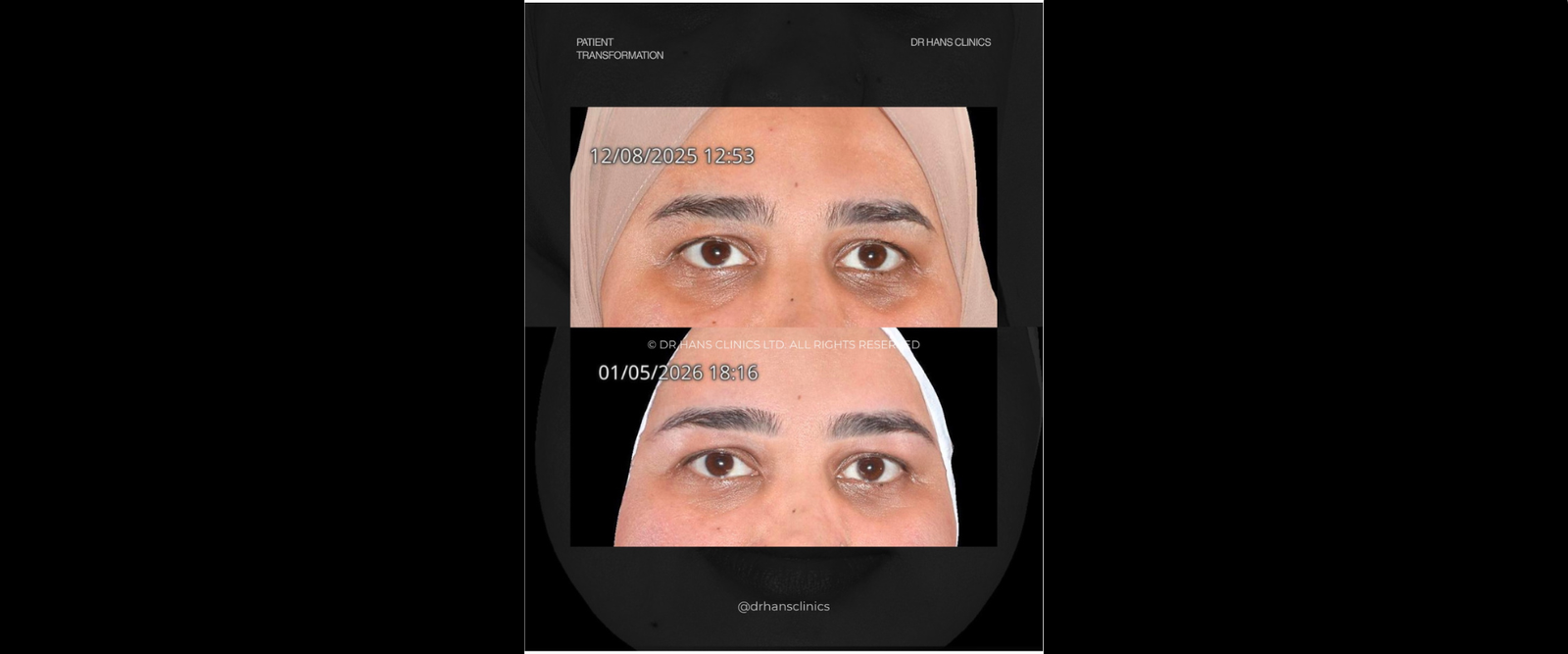
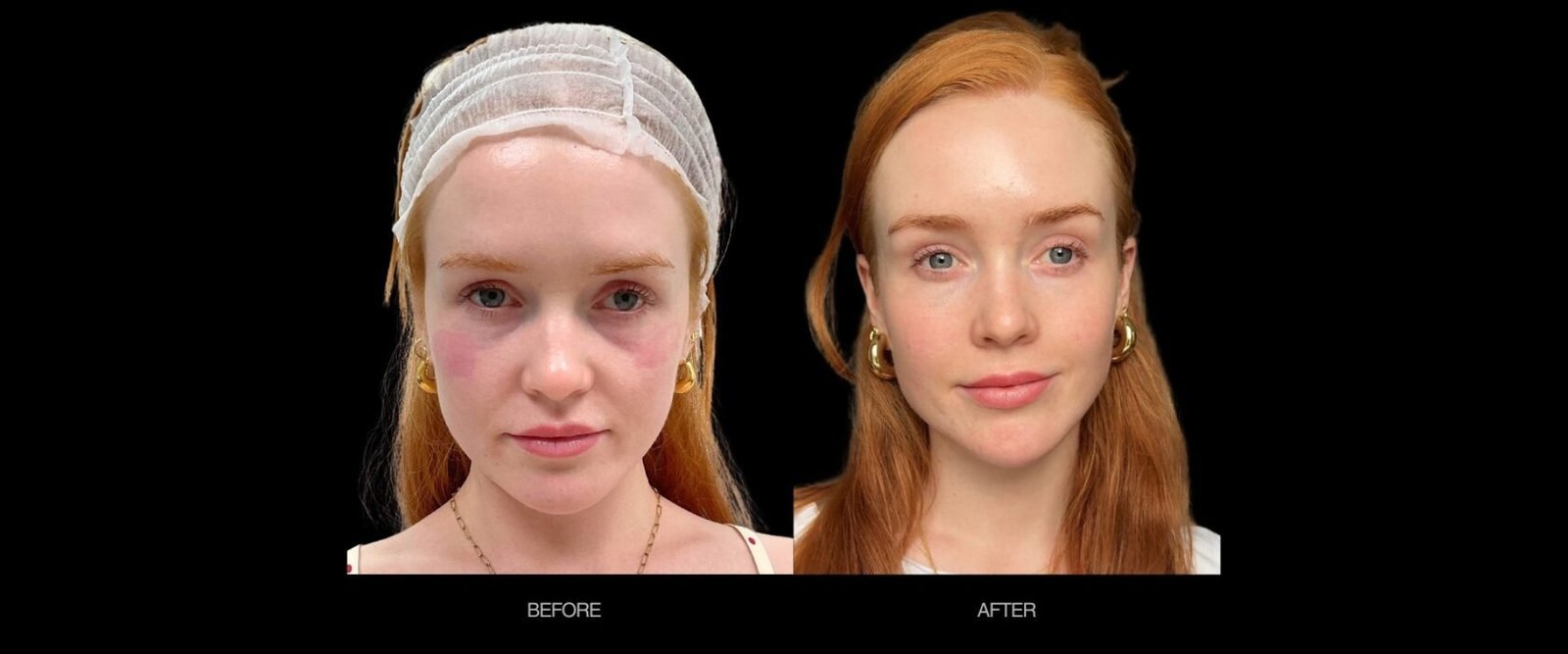
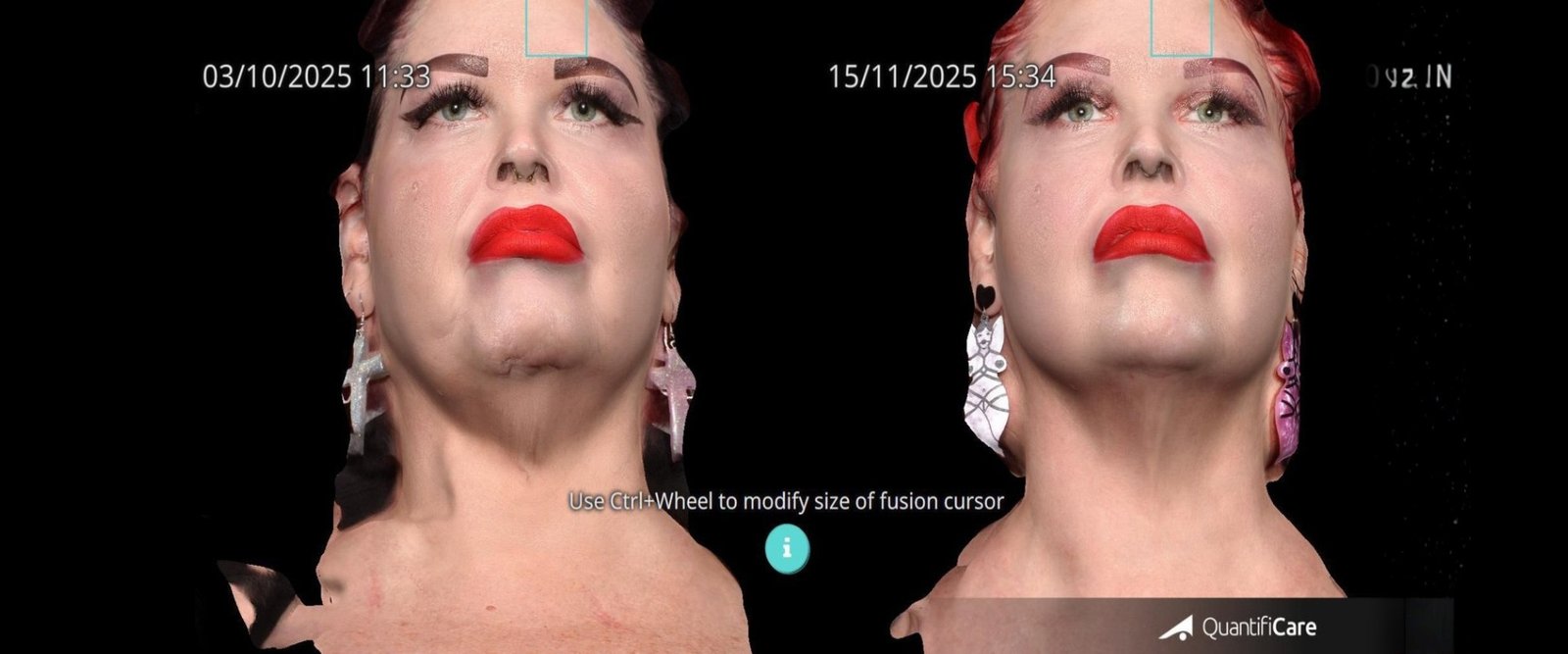
    Clinical Before & After Results

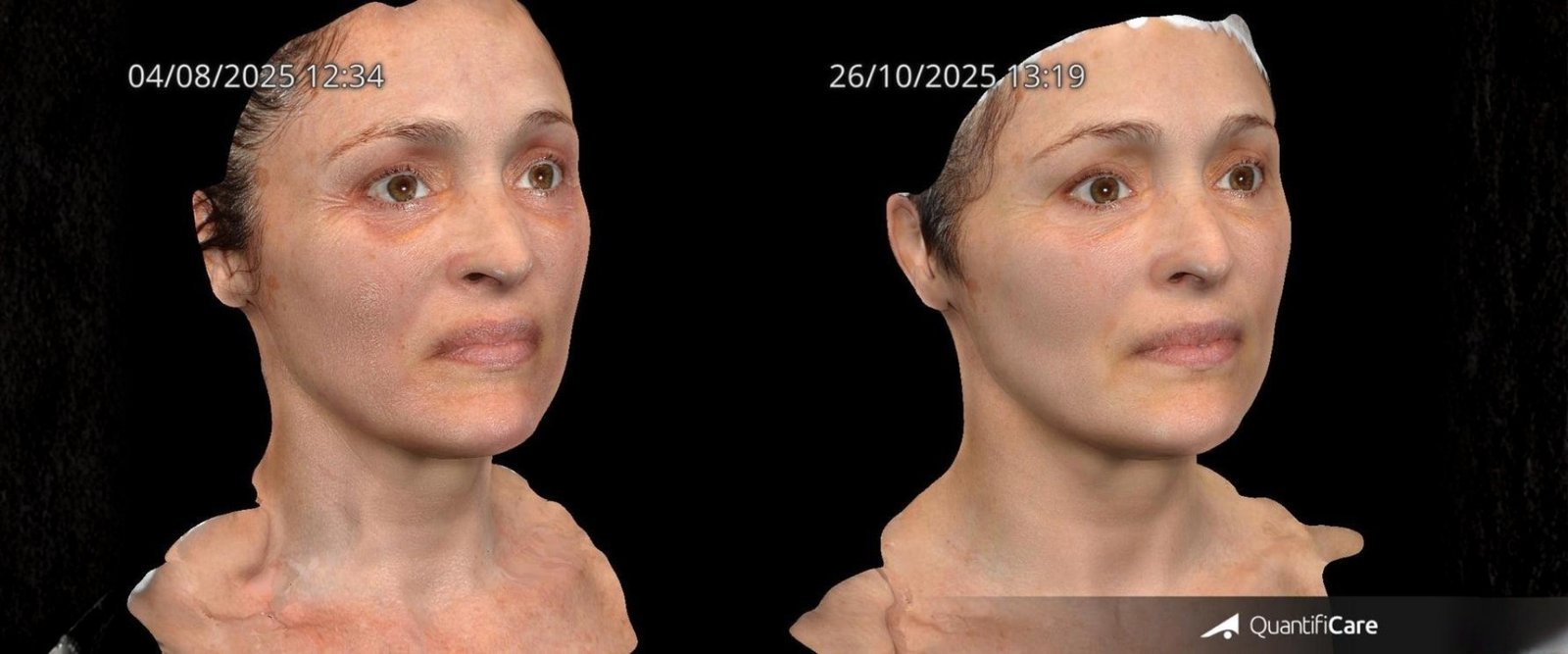
    Pricing

    Pricing is confirmed at consultation depending on the areas treated and the complexity of your individual plan. If one session is appropriate, we’ll say that. If a course makes more sense, we’ll explain why.

    A Note on Transparency

    PRF EZ Gel Biofiller is frequently marketed in ways that overstate what it does. Claims of long-lasting structural volume, permanent regeneration, or results comparable to dermal fillers aren’t supported by the current evidence. The published literature on plasma gel treatments is still relatively limited, and most studies are small and early in their design.

    What we can say with reasonable confidence: PRF Biofiller improves subtle hollowing and early volume loss in suitable patients, delivers some regenerative stimulus through the PRF component, and does so without synthetic material. Results are real but modest, and maintenance is part of the treatment.

    We think patients deserve to know that before they book. The consultation is where we work out whether this treatment makes sense for you, and if something else would work better, we’ll recommend that instead.

    Our Treatment Specialists

    PRP Beard Restoration

    Dr. Hansel Misquitta

    Founder | Dr. Hans Clinics

    MBBS | MSc Plastic & Reconstructive Surgery (UCL) | PGDip Bioethics (UNESCO Chair)

    Kirsty Jamieson

    Kirsty Jamieson

    skin therapist

    With over 20 years in the Aesthetics, Beauty, Wellness and holistic space

    Dr. Vincent Wong

    Cosmetic Doctor

    GMC Registered

    FAQ's

    What is PRF EZ Gel?

    PRF EZ Gel is an injectable treatment made from your own blood, plasma component. A small blood sample is taken, processed, and prepared into a soft gel-like material by heating and then cooling the plasma that can be used to support skin quality, soften fine lines, and improve mild hollowing or crepiness in selected areas. The Plasma contains albumin a protein, that when heated and cooled turns into a gel.

    PRF EZ Gel is commonly used for under-eye hollows, crepey under-eye skin, fine lines, mild facial volume loss, neck lines, décolletage, hands, and general skin quality improvement. It is best suited for subtle, natural-looking improvement rather than dramatic reshaping.

    No. Dermal filler is usually made from hyaluronic acid and is designed to create volume, contour, and structure. PRF EZ Gel is made from your own blood and works more gently. It may provide soft tissue support, but it is not a direct replacement for filler.

    Reviews

    Semih
    Before booking PRF EZ Gel for my under eyes, I had a lot of questions and concerns. Dr Hans took time to go through all of them properly and did not rush the consultation. She explained the treatment in a balanced way and set realistic expectations. The procedure itself was more comfortable than I imagined and the result looks very natural. My face looks more rested rather than noticeably treated, which was important to me.
    Elene Gelashvili
    I had a great experience with Dr. Hans. I wanted to do Ez gel under my eyes. She listened to my concerns and took her time to explain why it wouldn’t be suitable treatment for me. Instead we agreed to tighten my skin with Tixel - I had 3 sessions, very happy with the results.
    Rachael Epstein
    Absolutely the most knowledgeable and kindest doctor I’ve met. I’ve had injectables and PRF and soon tixel with her. She makes you feel so comfortable and confident. She will also say no and not just try to sell which is so important. She truly wants to improve the life of others which isn’t the case throughout the aesthetic industry (a lot of people try to exploit insecurities) and I used to work in it so I know! Thank you so much

    INDICATIONS & EVIDENCE

    Condition Mechanism Key Evidence
    Telogen Effluvium / Stress Hair Loss
    Enhances growth factor signalling for anagen induction
    Choi et al., Int J Mol Sci 2021
    Seborrhoeic / Inflammatory Scalp
    Reduces cytokine activity and improves scalp barrier
    Kim et al., J Cosmet Dermatol 2020
    Postpartum Shedding / Hormonal Loss
    Supports microvascular regeneration
    Kang et al., Dermatol Ther 2019
    Adjunct Post-PRP or PRF
    Enhances fibroblast response
    Clinical consensus, 2022

    BOOK A SEFFILLER CONSULTATION IN LONDON

    Consultation does not commit you to treatment. Suitability is assessed individually, and treatment may be declined or an alternative approach recommended where appropriate.

    Related Articles

    error: Content is protected !!