No products in the cart.

Please, enable Wishlist.

No products in the cart.

Combined radiofrequency, hyaluronic acid filler and cosmeceutical protocol for vulvovaginal tissue support

Neauvia N-ROSE Protocol

The Neauvia N-ROSE protocol is a structured treatment approach designed for patients seeking consultation about changes in vulvovaginal tissue quality.
Rather than relying on a single treatment modality, the protocol combines three components:

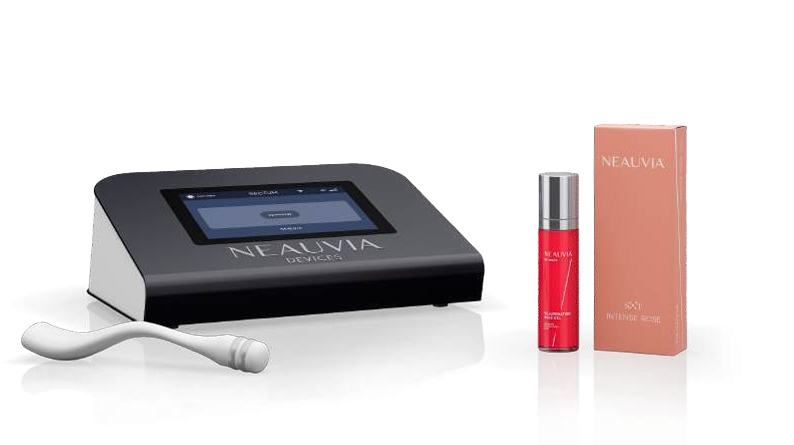
• Neauvia Sectum radiofrequency stimulation
• Intense Rose hyaluronic acid filler
• Rejuvenation Rose Gel topical support

Each component addresses a different aspect of tissue quality.

Radiofrequency treatment provides controlled thermal stimulation of connective tissue, the filler provides structural support in areas where tissue volume may have reduced, and the topical cosmeceutical supports hydration of the mucosal surface.

The protocol is typically delivered over several treatment sessions and is always preceded by a consultation.

Understanding vulvovaginal tissue changes

The vulva and vaginal wall contain connective tissue supported by collagen and elastin fibres.
These tissues are influenced by several factors throughout life.
Common influences include:
• childbirth and mechanical stretching
• hormonal changes such as reduced oestrogen levels
• natural ageing processes
• connective tissue remodelling over time
Some individuals notice changes such as:
• reduced tissue elasticity
• perceived reduction in labial volume
• changes in hydration of mucosal tissue
A consultation helps determine whether symptoms are related to normal physiological changes or require further medical evaluation.

Components of the N-ROSE protocol

1. Radiofrequency stimulation – Neauvia Sectum

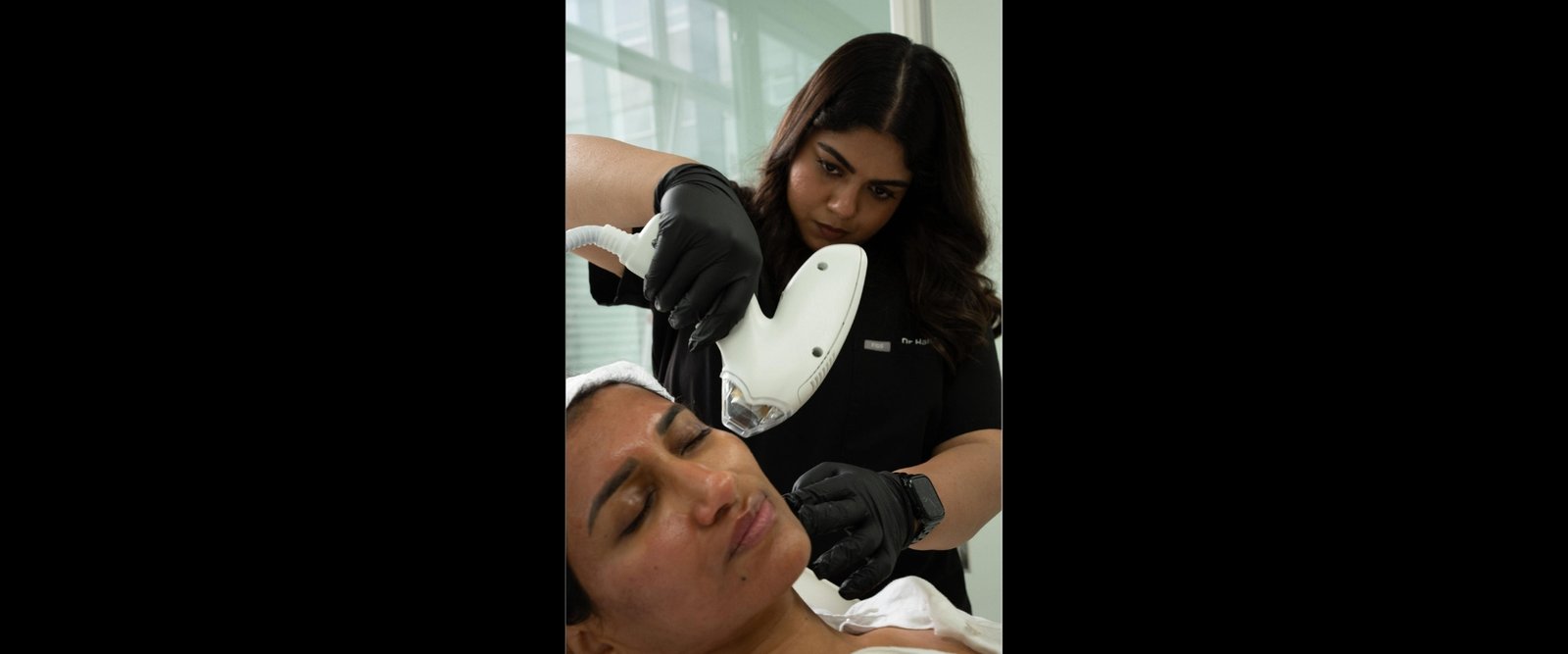
The first stage of the protocol involves radiofrequency stimulation using the Neauvia Sectum system.

Radiofrequency energy passes through tissue and generates heat due to electrical resistance.

Controlled heating of connective tissue may influence fibroblast activity and collagen remodelling.

Sectum operates at approximately 480 kHz radiofrequency frequency, allowing controlled energy delivery depending on the treatment area.

During treatment:

• a conductive gel is applied
• a specialised gynaecological applicator is used
• the applicator is moved

continuously while maintaining therapeutic temperature

Typical treatment temperatures are approximately:

39–42°C

The aim of this step is to gently warm connective tissue and stimulate the dermal environment.

2. Intense Rose hyaluronic acid filler

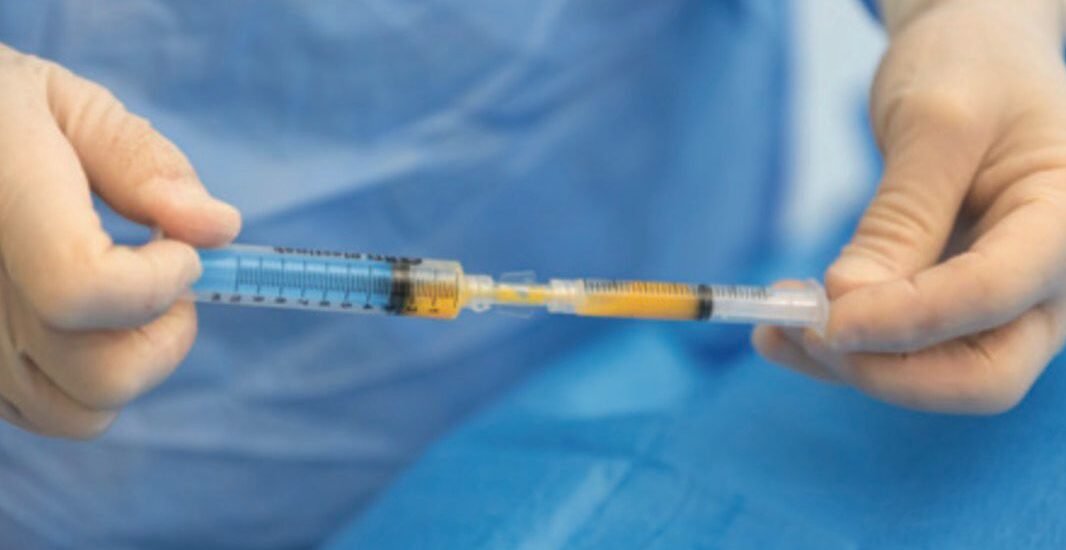
The second component of the protocol involves Intense Rose, a PEG-crosslinked hyaluronic acid filler designed for the intimate area.

The formulation contains:

• 28 mg/ml hyaluronic acid

• glycine

• L-proline

Glycine and L-proline are amino acids involved in collagen synthesis.

Intense Rose is typically used in the labia majora, where tissue volume may change over time.

Injection techniques vary depending on anatomy but commonly involve:

• subcutaneous placement within the labia majora

• symmetrical distribution across both sides

Typical volumes may range around 1–1.5 ml per side, depending on the treatment plan.

The hyaluronic acid gel gradually integrates within tissue and is slowly resorbed over time.

PEG cross-linked hyaluronic acid technology

Neauvia fillers use PEG cross-linking rather than the more common BDDE cross-linking technology.

PEG cross-linking forms a three-dimensional network within the hyaluronic acid gel.

This structure provides:

• gel stability

• elasticity

• gradual degradation

PEG has a long history of use in medical products due to its biocompatibility and low immunogenicity.

3. Rejuvenation Rose Gel

The final component of the protocol is Rejuvenation Rose Gel, a topical formulation designed for the intimate area.

The formulation includes:

• fractional hyaluronic acid

• growth factors (EGF, aFGF, bFGF, IGF-1, VEGF)

• trehalose

The gel is designed to support hydration of vulvovaginal tissue and may be recommended for ongoing home care.

Topical products are typically used alongside procedural treatments as part of a broader care plan.

Treatment sequence

The N-ROSE protocol generally follows a structured treatment sequence.

Initial treatment session

The first session may include:

• radiofrequency treatment using Sectum

• injection of Intense Rose filler

• introduction of topical home care

Follow-up sessions

Additional sessions typically include:

• repeat radiofrequency treatment

• review of tissue response

• continuation of topical care

Treatment protocols vary depending on the individual patient.

Treatment goals

The aim of the N-ROSE protocol is to support vulvovaginal tissue quality through several mechanisms.

These may include:

• stimulation of connective tissue activity

• restoration of labial volume where appropriate

• improved hydration of mucosal tissue

The treatment should not be presented as a cure for medical conditions.

Results vary between individuals.

Consultation and suitability

All patients undergo consultation before intimate treatments.

This consultation includes discussion of:

• symptoms or concerns

• medical history

• previous gynaecological procedures

• expectations and treatment goals

In some cases further medical evaluation may be recommended. Not all patients are suitable candidates for this protocol.

Evidence and clinical research

Radiofrequency technologies have been studied in dermatology and gynaecology for their effects on connective tissue and collagen activity.

Research suggests controlled heating may influence fibroblast activity and collagen remodelling.

Hyaluronic acid fillers are also widely studied for their role in tissue support and hydration.

However outcomes vary between individuals and further research continues to explore optimal treatment protocols.

Contraindications

Contraindication Reason
Pregnancy
Injectable and RF treatments generally avoided
Active genital infection
Treatment should be postponed
Recent pelvic surgery
Tissue healing may be incomplete
Allergies to hyaluronic acid fillers
Risk of reaction
Implanted electronic devices
RF energy may interfere with device function
Open wounds or lesions
Risk of tissue irritation
A full consultation is required to assess individual suitability.

FAQ

How many sessions are usually required?

The N-ROSE protocol generally involves several sessions delivered over a short treatment period.
The exact number of sessions depends on the individual treatment plan discussed during consultation.

Most patients describe radiofrequency treatment as a warming sensation.
Local anaesthetic may be used for filler injections depending on the treatment area.

Most patients return to normal daily activities shortly after treatment.
Temporary swelling or sensitivity may occur following filler injections.

Changes may develop gradually over the treatment course as connective tissue responds. Results vary between individuals.

Hyaluronic acid fillers gradually break down over time.
Some patients choose maintenance treatments depending on their goals.

Potential risks include swelling, bruising, temporary discomfort or irritation.
Serious complications are uncommon but can occur with any injectable procedure.
A consultation helps assess individual risk factors.

Some individuals seek consultation after childbirth due to perceived tissue changes.
Timing after childbirth is important and treatment may be delayed until healing is complete.

Hormonal changes can influence vulvovaginal tissue.
Patients experiencing symptoms should first discuss them with a healthcare professional before considering aesthetic treatments.

Pricing

At Dr Hans Clinics the N-BOOST protocol is offered as either a single session or a treatment course.

Recommended treatment course

Advanced treatment plan
At Dr Hans Clinics the N-BOOST protocol is offered as either a single session or a treatment course. A consultation is recommended to determine the most appropriate treatment plan.

Book your Treatment

Book your Neauvia N-Rose Protocol

error: Content is protected !!